FAO Food Price Index falls 1.2% as cereals and dairy ease
Cheaper wheat, maize, butter and pig meat pulled the UN benchmark down after three monthly rises, but sugar climbed for a fourth month running and soybean oil kept rising.
The FAO Food Price Index averaged 133.9 points in October 2026, down 1.2% from a revised September reading, as cheaper cereals, dairy and meat outweighed a sharp rise in sugar, the UN Food and Agriculture Organization said on 6 November.
The drop of 1.6 points ends a run of three monthly increases that had taken the index to 135.6 points in September, its highest level since November 2022, as AMUSE reported when the September FAO Food Price Index came out. Even after the dip, the benchmark stands 5.9% above October 2025, though still 16.4% below its March 2022 peak.
Cereals lead the FAO Food Price Index lower
One cheaper month reshuffles the shopping basket; it does not end the run of dear food.
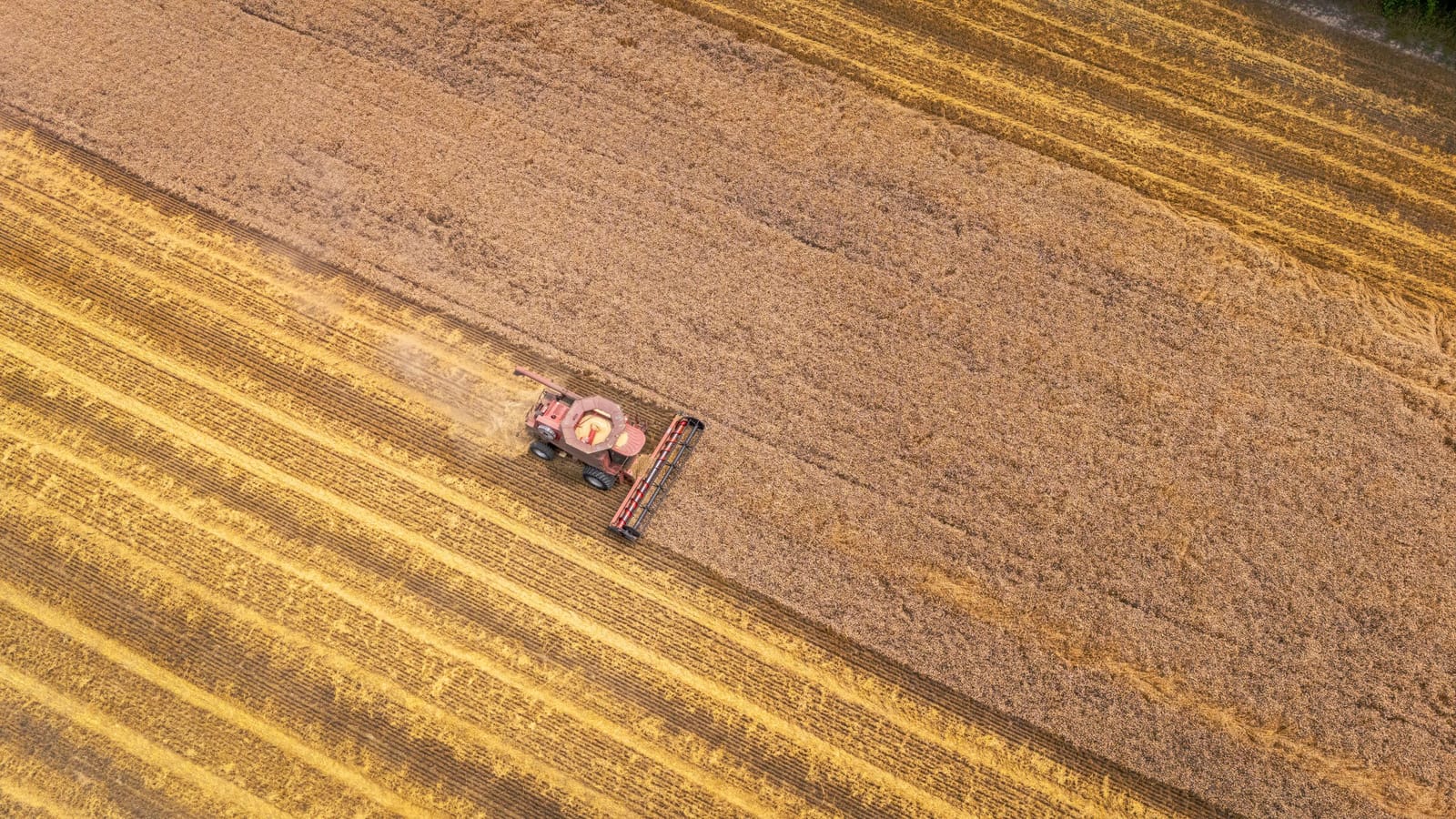
The cereal sub-index fell 4.5% in a month to 116.8 points. Wheat quotations declined after four consecutive monthly increases, pulled down by subdued import demand and a better crop outlook in Argentina; continuing disruption to Black Sea logistics limited the fall. Maize eased from the three-year high it reached in September, under harvest pressure in the United States and expectations of ample South American supplies. Rice went the other way: the FAO All Rice Price Index rose 1.6% on harvest delays, bad weather and higher costs.
Dairy slipped 1.1% to 117.8 points and is now 16.9% below a year earlier. The split inside the basket is stark: butter is 31.1% cheaper than in October 2025 and cheese 29.3% cheaper, both weighed down by high stocks in the European Union and competitive US exports, while skim milk powder costs 45.8% more. Meat fell 1.2% to 125.5 points, led by pig meat from an oversupplied EU market, while poultry held steady. The FAO notes that recent meat values are partly projected and may be revised.
Sugar and soybean oil keep climbing
Sugar is the outlier. Its index jumped 6.6% in October to 121.3 points, 28.8% above a year earlier and the highest since December 2024, after rain interrupted cane crushing in Brazil's Centre-South and a weak, uneven monsoon raised doubts about India's crop. Lower forecasts for the European Union and Thailand added to the pressure. Vegetable oils edged up 0.3% to 199.2 points, with soybean oil at its highest since late 2022 on firm biofuel demand.
For kitchens, the October FAO Food Price Index reads less like relief than a reshuffle: butter and cheese are cheaper than a year ago, sugar and cooking oils dearer. Less than three weeks before the release, FAO chief economist Maximo Torero told Reuters that global food inflation could accelerate into 2027 as supply shocks pile up, and one softer month does not change that diagnosis.
The FAO publishes the November figures on 4 December 2026.