Spain orders olive oil withdrawal of 188,000 tonnes
Madrid's order forces every mill to hold back 12% of monthly output through next September, after a record harvest, and packagers are threatening a legal challenge.
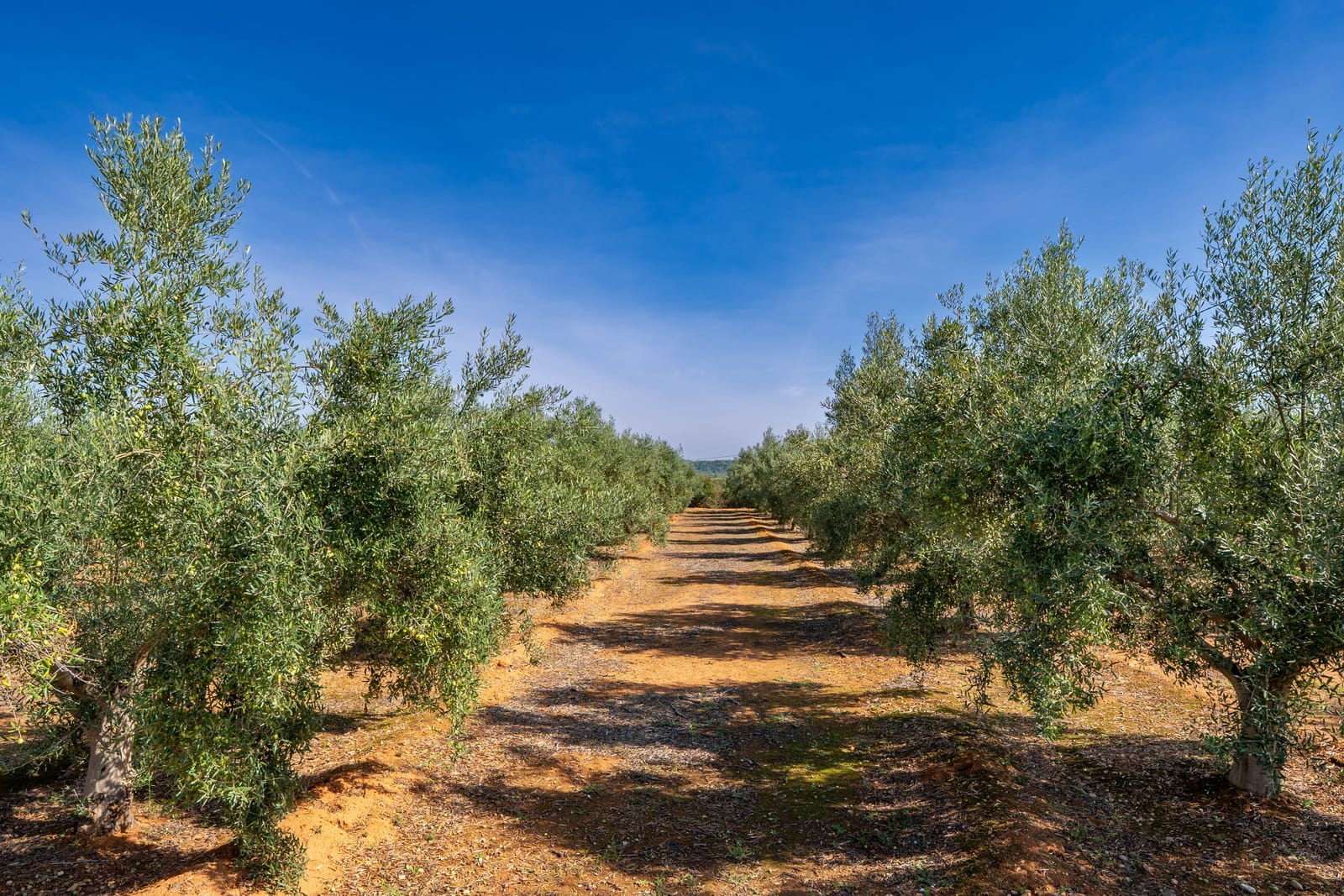
Spain's olive oil withdrawal order took effect this month, after the farm ministry ruled that every mill must keep 12% of its monthly output off the market through next September.
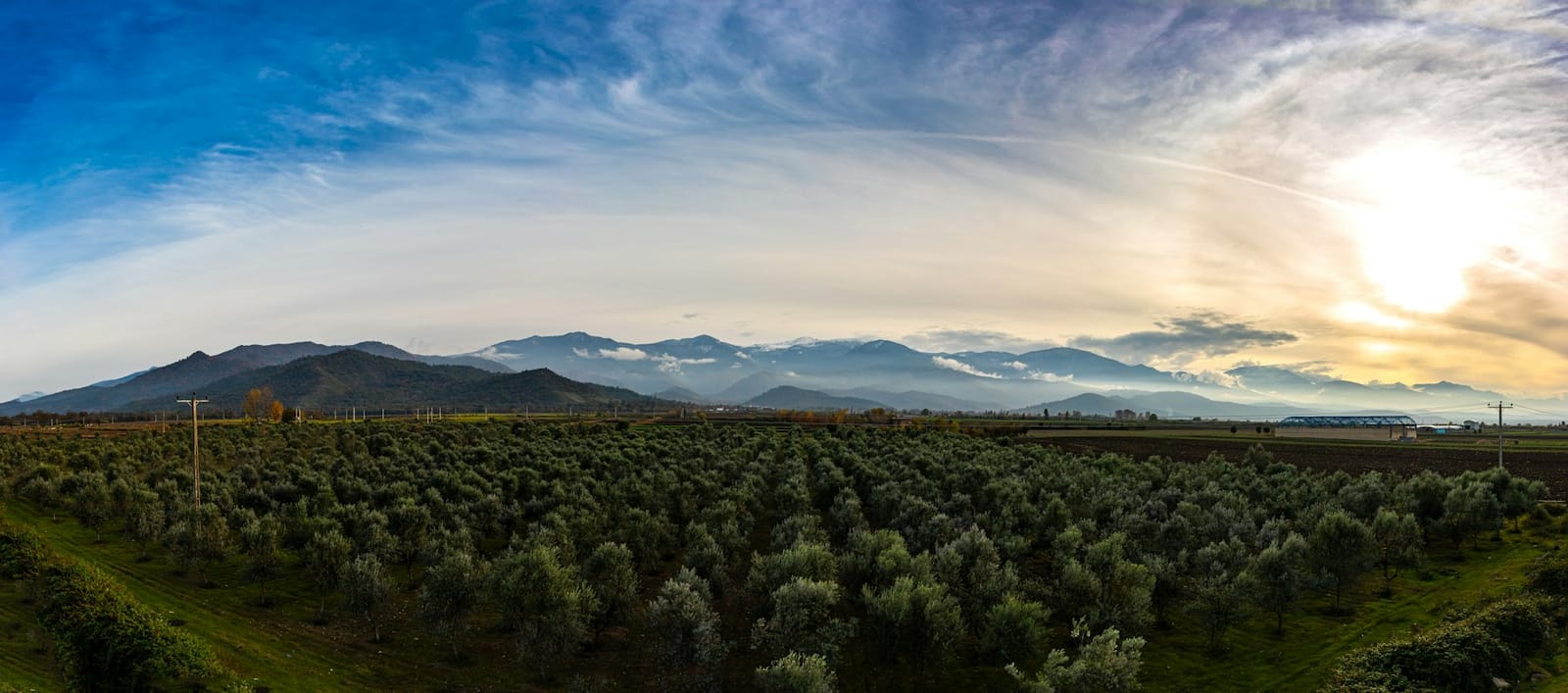
The resolution appeared in the state gazette on 6 November, issued by the Directorate-General for Agricultural Markets. It covers roughly 188,000 tonnes from the 2026/27 harvest, which the ministry forecasts at 1,602,596 tonnes, 23% above last season.
Opening stocks for the campaign stood at 357,040 tonnes, up 23.3% on the year before. Combined with the harvest forecast, that total passed the threshold written into the 2018 royal decree that triggers the mechanism: 120% of the average of the previous six campaigns.
This is a historic measure, and the lower supply should lift prices at origin.
Why the olive oil withdrawal now
Origin prices have been sliding toward €3 a kilo. Jesús Cózar, of farm union UPA Andalucía, called the order "a historic measure" and said he expects the lower supply reaching the market to lift prices at origin.
Eduardo Martín, of Asaja Sevilla, put the fall in context: a year ago, growers were getting close to €4.90 a kilo. COAG's Francisco Elvira defended the olive oil withdrawal as a way of banking surplus from a strong campaign for leaner years ahead.
Each mill chooses which category of oil to immobilise, in its own or rented tanks, and the rule carries no compensation for storage costs. The government could have set the threshold as high as 20%; it chose 12%, with a review due from 31 December.
Packagers and consumers push back
Anierac, the bottlers' association that says it represents 65% of Spain's packaged oil, plans to challenge the olive oil withdrawal in court. Its director, Primitivo Fernández, said the measure "alters the law of supply and demand" and could push costs onto supermarket shelves, citing a competition watchdog report that warned of coordination risk among operators.
Consumer group Facua called the order "scandalous" and said cheaper oil at origin rarely reaches supermarket prices. It pointed to 2023, when extra virgin oil topped €15 a litre during a drought-shortened harvest with no government intervention.
Dcoop, Spain's largest olive cooperative, said it already has enough storage capacity to cover its own production. Mills had been pressing for a storage rule since prices began falling in October, while the sector waits to see whether December's review arrests a four-year price slide or simply delays it.