Italy's 2026 wine harvest shrinks as cellars stay full
A European Commission estimate puts the 2026 crop at 41.1 million hectolitres, down 7.22%, just as Italian cellars report record stocks of unsold wine.
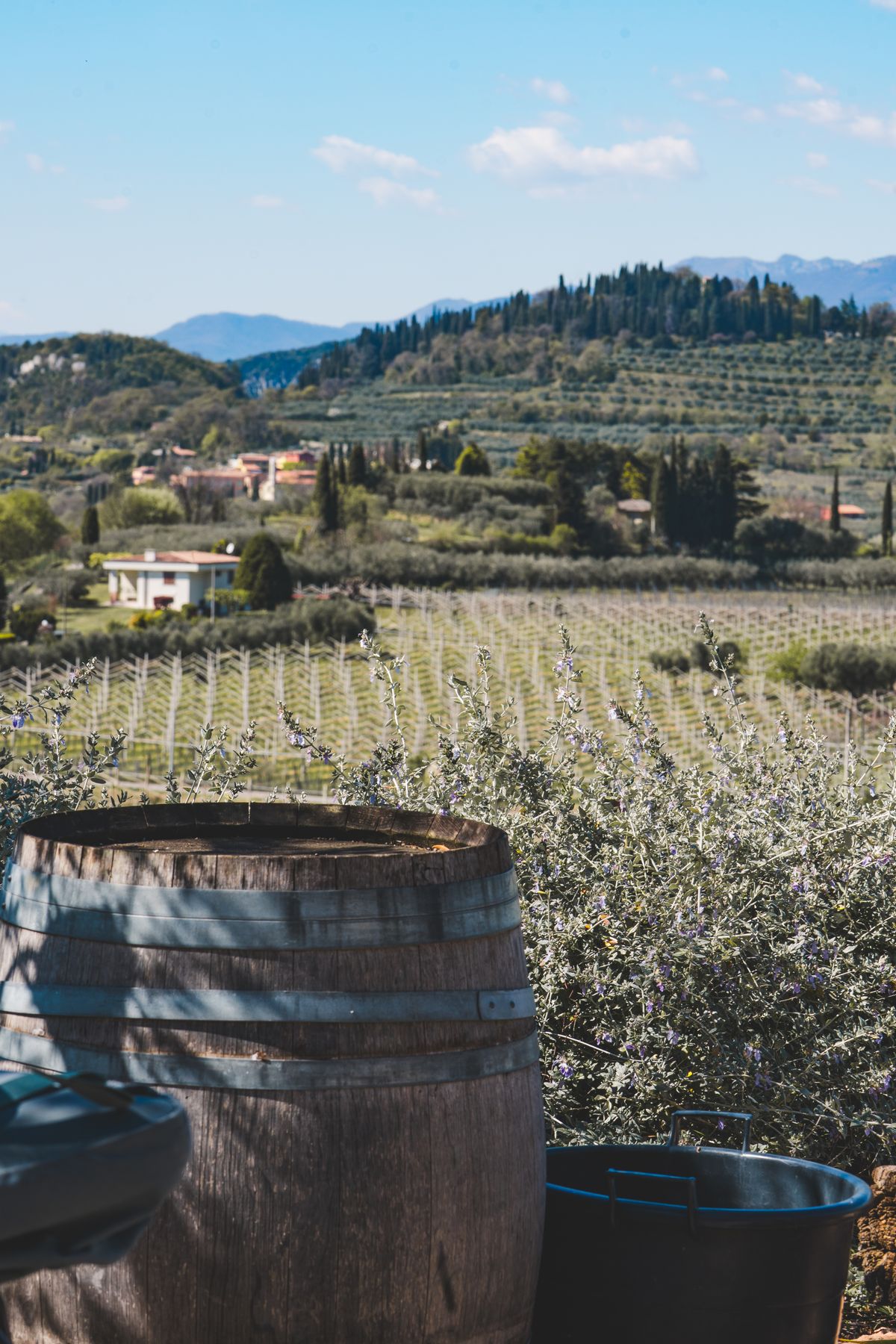
The Italy wine harvest 2026 estimate from the European Commission points to a crop 7.22% smaller than last year, at 41.1 million hectolitres, even as the country's cellars hold more wine than at any point in recent years.
The projection, released on 8 October 2026, puts Italy roughly 3.2 million hectolitres below the 44.3 million produced in 2025. Producers point to drought in several regions and to deliberate cuts in yields by consortia trying to keep the market in balance.
Italy is not alone in shrinking. The European Union's total 2026 harvest is estimated at 137.4 million hectolitres, down 1.2% on 2025. Spain bucks the trend with an estimated 37.6 million hectolitres, up 13.4%, while France's figure was revised up to 34.9 million hectolitres on 7 October, a day before the EU estimates were published.
A smaller vintage, a fuller cellar — the market will decide which number matters more.
Smaller harvest, fuller cellars
The smaller crop meets wineries that were already overstocked. The Ministry of Agriculture's Cantina Italia report, compiled by the ICQRF inspectorate, counted 41 million hectolitres of finished wine in Italian cellars on 30 September, up 14.2% on the same date in 2025 — more than 5 million hectolitres of extra inventory in a single year.
Add must and wine still fermenting and the total climbs to 62.7 million hectolitres: 12.8 million hectolitres of must, up 50.5%, and 8.9 million hectolitres of fermenting wine, up 92.8% from 4.6 million a year earlier. Stocks had eased slightly before harvest, down 3.5% from 31 July, but the overhang remains the sector's central problem.
Why the forecast went quiet
For the first time in years, Assoenologi and the Unione Italiana Vini (UIV) decided against holding their traditional harvest forecast conference. Coldiretti said predicting volumes this season was unusually hard, since picking is spread across nearly five months after an early start driven by extreme summer heat.
"If confirmed, the figures show a sector balancing quantity and quality, and overall quality prospects look positive," said Lamberto Frescobaldi, UIV's president. Paolo Castelletti, the union's secretary general, said it will be the market, not the forecast, that decides whether the 2026 vintage is contained enough to restore the balance between supply and demand.
Final tallies will not arrive until the last grapes are in, likely well into December. Until then, Italy's wineries are weighing a smaller, reportedly high-quality vintage against the largest stockpile the ICQRF has logged in years.
Italian producers have been here before with another staple: olive oil prices have already halved as a bigger European harvest met full tanks. Winemakers are hoping their own surplus lands more gently.