Maedaya olive oil wins Japan's third NYIOOC gold
Former Remioromen bassist Keisuke Maeda's small grove near Mount Fuji takes its third gold at the New York International Olive Oil Competition.
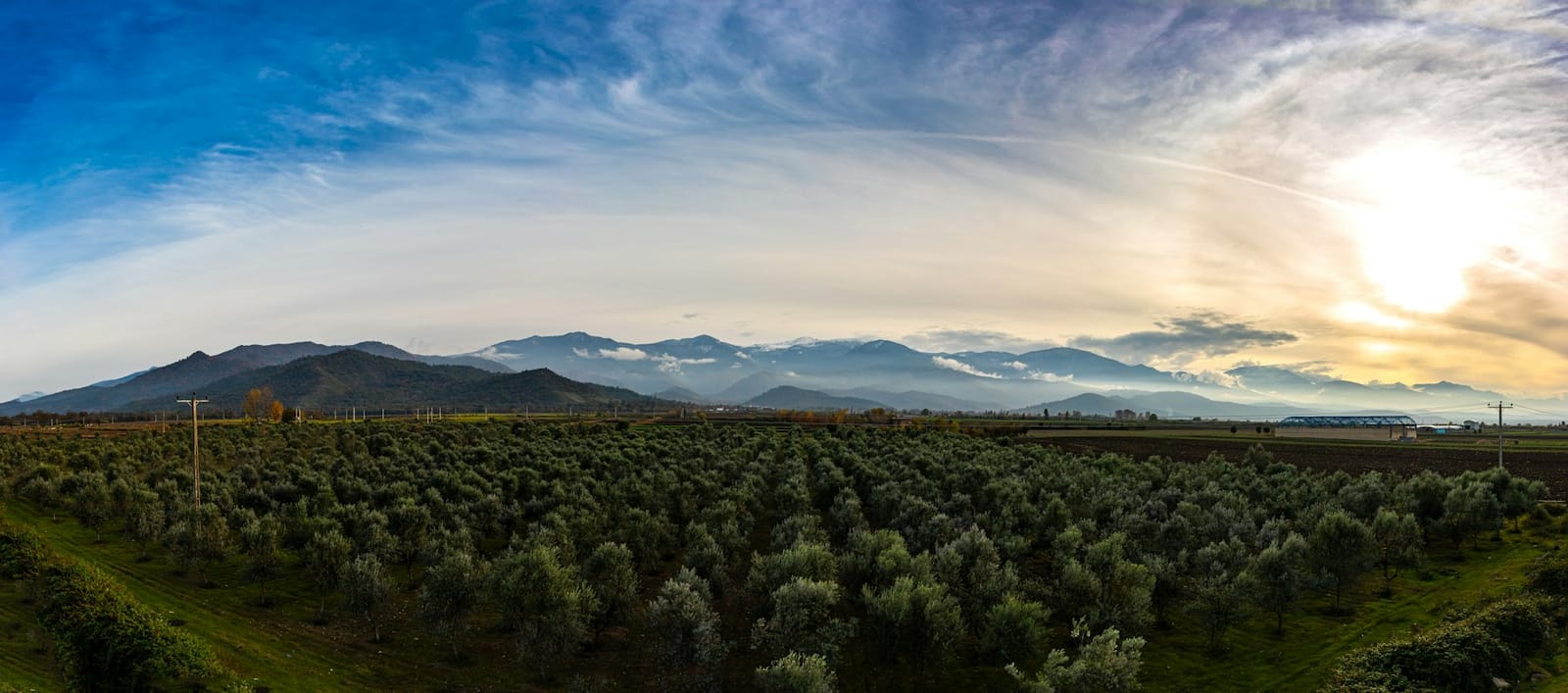
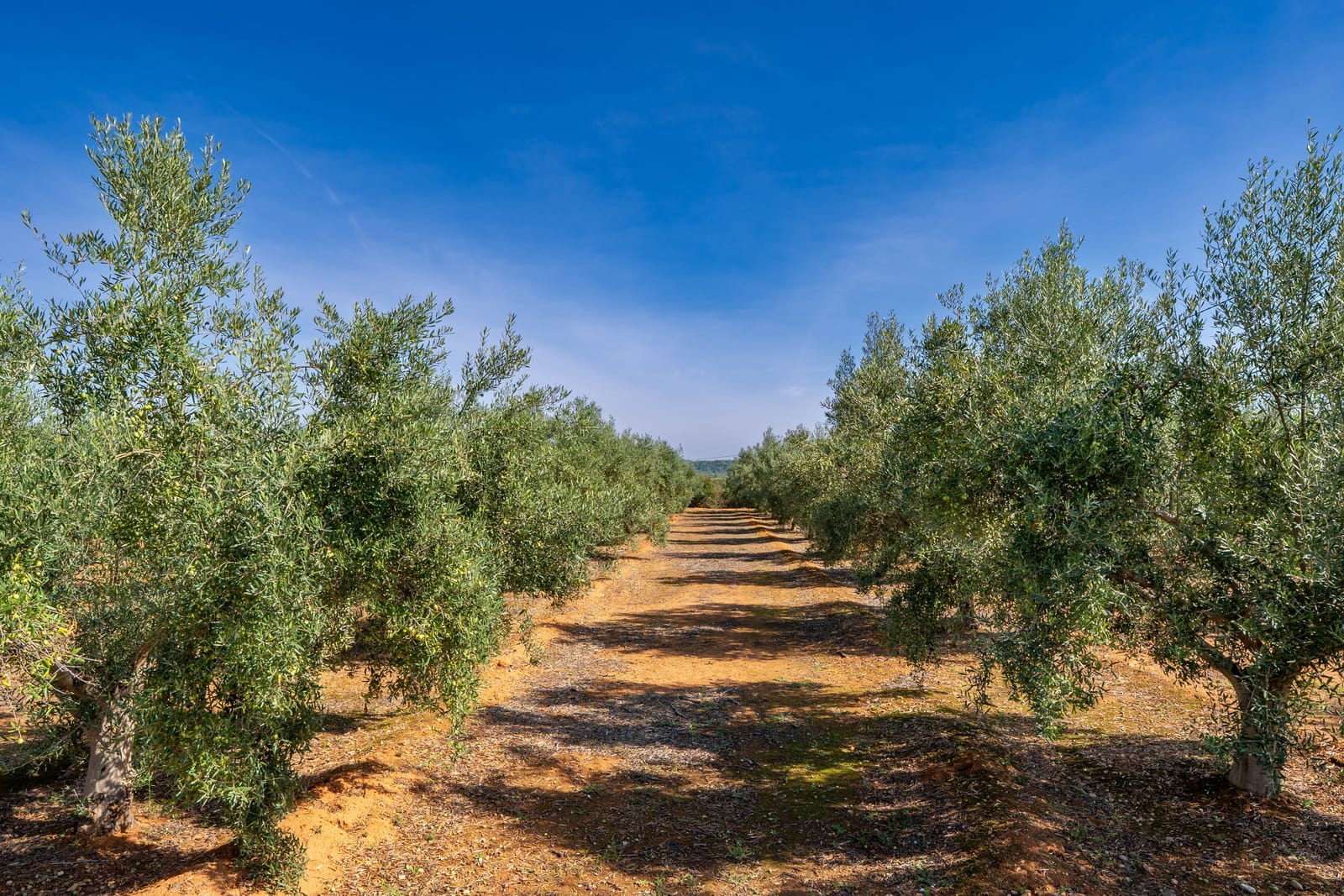
Maedaya olive oil has won its third gold medal at the New York International Olive Oil Competition, for a Mission-variety extra virgin oil grown on a 500-tree grove that former rock bassist Keisuke Maeda planted near Mount Fuji.
Maeda played bass in Remioromen, one of Japan's best-selling rock bands, before it disbanded in 2012. He then researched olive growing, travelled to Italy and Greece, and planted his first 100 trees in 2013 on a plot near Fuefuki, in Yamanashi Prefecture. He produced his first oil in 2016 and founded Maedaya Olive, now ranked third among Japanese producers.
The gold went to Fuefuki Maedaya Mission, a monovarietal pressed from Mission olives that Maeda first planted as pollinators on advice from Sorai Farm, an established grower on the island of Shodoshima. His main cultivars today are Arbequina, Frantoio, Bianchera and Santa Caterina, alongside the Mission and Koroneiki trees that started the grove.
A rock bassist's second act keeps outlasting his first, one gold medal at a time.
A grove that survives -10°C winters
Yamanashi's climate swings between -10°C winters and 40°C summers, and Maeda wraps his young trees in straw through their first three winters. He mills the oil himself and hand-picks the crop with friends and family, producing both monovarietals and blends he describes as balancing bitterness, spice and a sweet aroma. He says Japan's growing health-consciousness is feeding demand for extra virgin oil too, much as Chiba's Iinuma Honke marked 300 years of sake brewing on the back of renewed interest in traditional Japanese production.
Maedaya does not currently export, though Maeda says he hopes to start as the farm grows. The label's leaf motif, designed by the Japanese artist known as TAE, has stayed unchanged since the first bottling.
Olive oil's quiet Japanese foothold
The gold keeps Maedaya in third place among Japanese producers in the Olive Oil Times World Ranking, and 81st in the Northern Hemisphere, a modest showing next to Mediterranean groves that press tens of thousands of litres. Entries like Maedaya's sit alongside the World Cheese Awards' move to Córdoba this year as a reminder that food competitions keep widening their geography.
Thirteen years after Remioromen split, Maeda's second act has outlasted most reunion tours, three golds running.