No-show fees edge into Germany's restaurants
Thuringia's hospitality chief says deposits for reserved tables are fair game. Frankfurt and Berlin normalised the fee years ago — now the debate is going national.
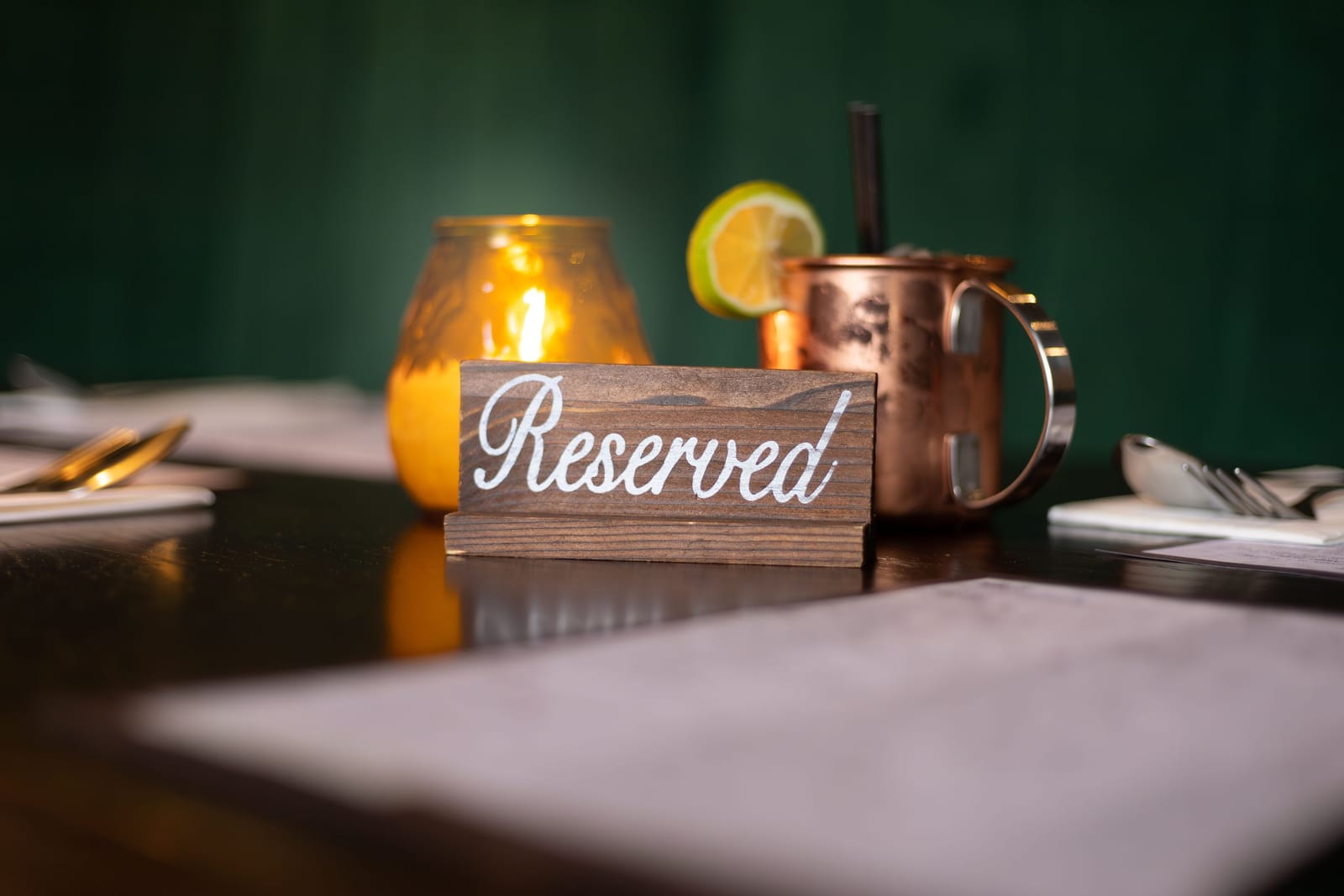
No-show fees are creeping into German restaurants, and the industry's own trade body is now defending them.
Dirk Ellinger, head of the hospitality association Dehoga in Thuringia, told the German Press Agency (dpa) this week that deposits or offsettable reservation fees are a legitimate response to empty tables. He said hosts who are left paying for food and staff after a no-show have a real grievance, even if the practice "isn't yet widespread" in his state.
Ellinger points to two triggers: fixed-menu dates such as the traditional Martinsgans dinner (roast goose for St Martin's Day) or multi-course Christmas sittings, and bookings for larger groups. Both leave a restaurant with little chance of refilling the table on short notice, since walk-in traffic thins out on exactly the evenings when set menus are sold.
A reservation used to be a favour. Now it's a clause in the terms and conditions.
He also described cases of guests booking several restaurants for the same family celebration and cancelling all but one at the last minute, a pattern he called extreme but recurring.
Why Thuringia is weighing deposits
Thuringia's roughly 4,200 hospitality businesses employ more than 22,000 staff on social-insurance contracts plus 16,000 minijob workers, and turn over about €1.5 billion a year, according to Dehoga figures. Ellinger credits the 2025 cut in VAT on restaurant food, from 19% to 7%, with giving operators room to hold prices rather than pass on rising energy and staff costs — a buffer that doesn't cover the cost of an empty table.
Any deposit, he said, needs clear terms: cancellation windows spelled out in advance, exceptions for regular guests, and the option to offset the fee against the final bill rather than keep it outright.
The no-show math behind the push
OpenTable's Restaurant Impact Report 2026 puts the average cost of a two-person no-show in Germany at €87.60, once lost revenue, pre-bought food and turned-away walk-ins are counted. The company's data flags Fridays, Saturdays and Mondays as the worst days and 9pm as the riskiest slot, with Frankfurt, Berlin, Munich, Karlsruhe, Cologne and Düsseldorf showing the highest rates.
The response elsewhere in Germany predates Thuringia's debate by years. Frankfurt restaurateurs began rolling out fees of €20 to €50 a head back in 2019, and fine-dining kitchens from Ulm to Nuremberg have charged for abandoned tables even longer, usually without collecting much: one Ulm chef says he's taken the fee only twice in two years, in a trade that increasingly leans on voice AI to manage reservations instead of staff on the phone.
What's new is a regional trade body saying the quiet part out loud. Whether that turns into a wider standard, or stays a big-city habit with a Thuringian endorsement, depends on how many guests actually read the cancellation policy before they click confirm.