OpenTable's Restaurant Impact Report: $138 spent nearby
A new survey finds diners spend an average of $138 at nearby businesses around a restaurant meal, while no-shows still cost operators roughly $80 a table.
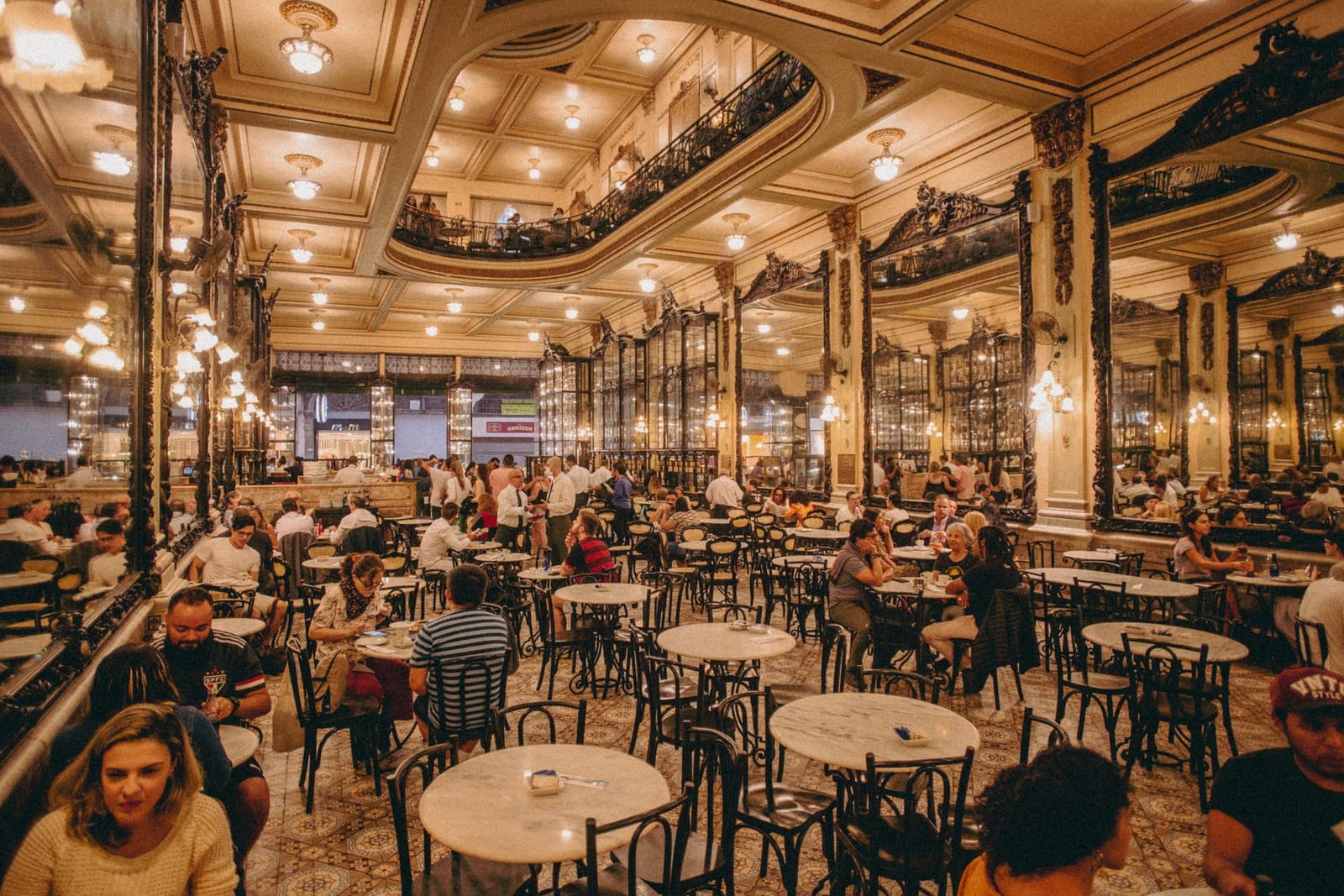
Diners who eat at a restaurant spend an average of $138 at nearby businesses before or after the meal, according to OpenTable's first Restaurant Impact Report, covered widely by trade press this week.
The report, based on a survey of 1,501 US consumers who dine out and 355 restaurant workers fielded between 28 July and 4 August, found that roughly 60% of diners spend money at businesses near the restaurant they visit, a pattern researchers tie to restaurants acting as anchors for surrounding commercial strips. Spending was highest among younger diners: Gen Z averaged $171 per outing and millennials $158, against lower figures among older generations.
Restaurants work as a third place for younger diners
A restaurant's real balance sheet includes every shop and bar within walking distance of its door.
The Restaurant Impact Report also measured how diners think about restaurants beyond the bill. Eighty-eight percent said restaurants are important to building community, and 84% said dining locally improves their personal and social wellbeing. Nearly a quarter of US diners, 23%, called a local restaurant their "third place," a space between home and work; among Gen Z that figure rises to 39%. Dr Martha Newson, an associate professor of psychology at the University of Greenwich whose research on over 10,000 people worldwide is cited in the report, said sharing a meal at a restaurant is "one of the oldest ways of bringing people together."
No-shows still cost operators about $80 a table
The report's operator-facing findings were less celebratory. Restaurant workers surveyed estimated that a no-show for a table of two costs a restaurant about $80 on average, and 67% of US diners agreed missed reservations can seriously harm a restaurant's business. No-show rates fell 4% year over year, a modest improvement that has not stopped operators from pushing deposit systems and AI-driven booking tools meant to reduce empty tables. Aaron Bludorn, chef-partner of Houston's Bludorn Hospitality Group, said a no-show "isn't just an empty table, it's a sunk opportunity cost": the food is prepped, the staff scheduled, and the loss is hard to recover once the night is gone. Nearly half of diners surveyed, 47%, said they would behave differently if they understood the financial stakes of skipping a booking.