French oyster farmers push chefs to grade, not guess
As the trade heads into its busiest six weeks of the year, three Michelin-starred chefs explain why calibre, flesh index and origin matter more than size.
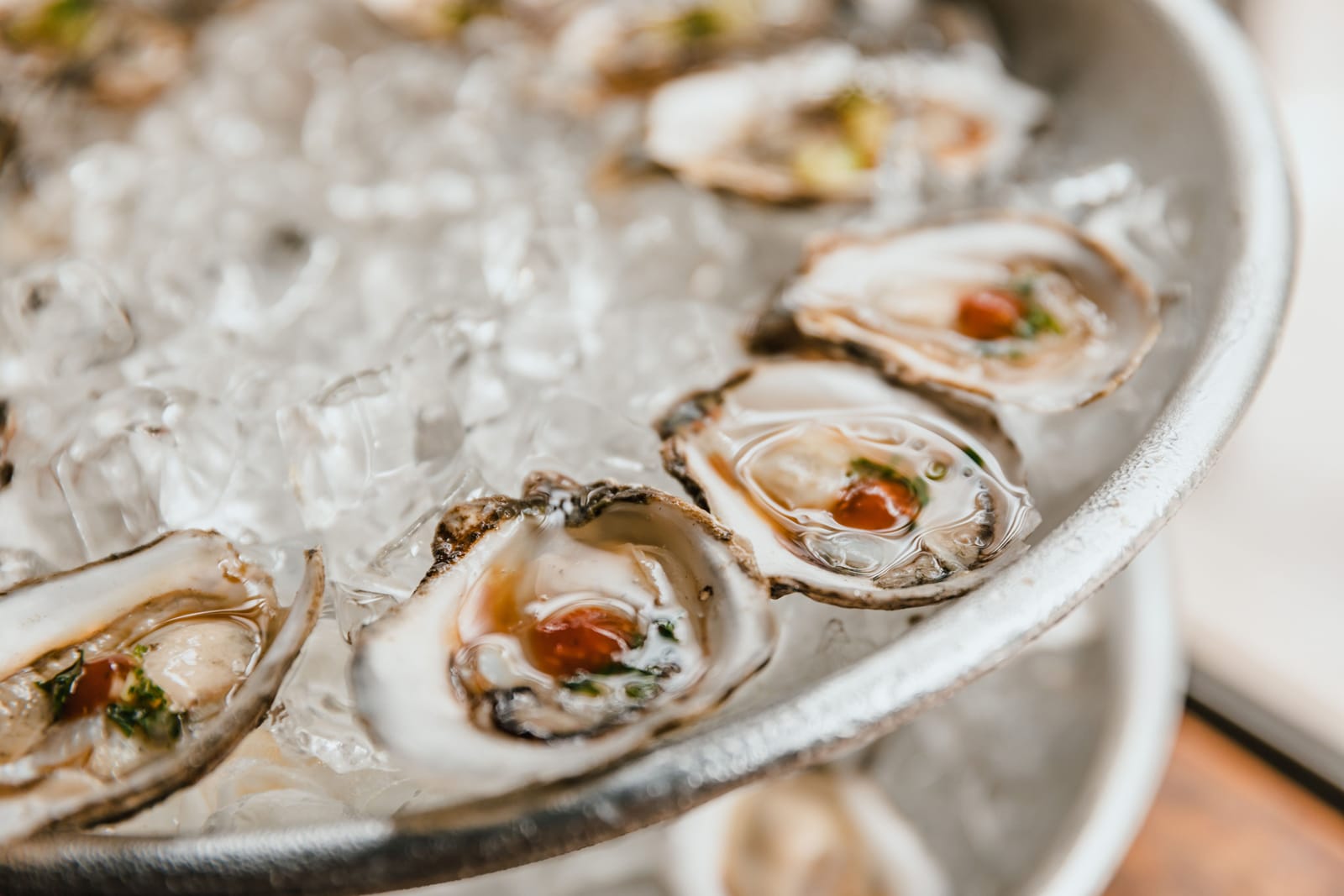
French oyster farmers and three-Michelin-starred chefs are pushing restaurants to grade oysters with more care, just as the trade enters its busiest six weeks of the year.
Florent Tarbouriech, whose family has farmed oysters on the Étang de Thau in Hérault for more than 60 years, says restaurants that wait until December to order for the holidays are already too late. His operation produces around 500 tonnes of oysters a year, and roughly 30% of that volume sells in the final two weeks of December alone. Oysters take years to reach market size, he told L'Hôtellerie Restauration, so kitchens planning year-end menus need to confirm volumes, sizes and uses in November.
Grading beyond big and small
Oysters have parcels and vintages, like wine — treat them with the same precision.
Joël Dupuch, an oyster farmer in the Arcachon basin, argues that size alone tells a kitchen little. French oysters are graded by calibre, from n°5 (30g-45g) up to n°0 (over 150g), but a bigger shell doesn't guarantee a better plate — the right calibre depends on the dish and how it's served. A spéciale oyster must carry a flesh index of at least 10.5%, meaning the meat makes up more than a tenth of the oyster's total weight. Dupuch also warns against confusing a plump oyster with a milky one, which simply reflects where the animal sits in its reproductive cycle; plump oysters hold their texture better under heat and concentrate more flavour.
At La Folie, the restaurant inside the Tarbouriech family's Domaine Tarbouriech in Marseillan, chef Ben Bogart builds his autumn oyster course around that distinction. He opens and pats dry Tarbouriech spéciale n°3 oysters, sets them on a warm trumpet-mushroom duxelles, and finishes each with a whipped chestnut chantilly piped from a siphon.
A pearl cracked open at the table
At the three-Michelin-starred Auberge du Vieux Puits in Fontjoncouse, chef Gilles Goujon takes the showmanship further with his signature huître perlée. The oyster is smoked over beech wood, mixed into a tartare with chives, crème fraîche and hazelnut oil, then sealed inside a smoke-filled sphere that diners crack open with a small hammer at the table.
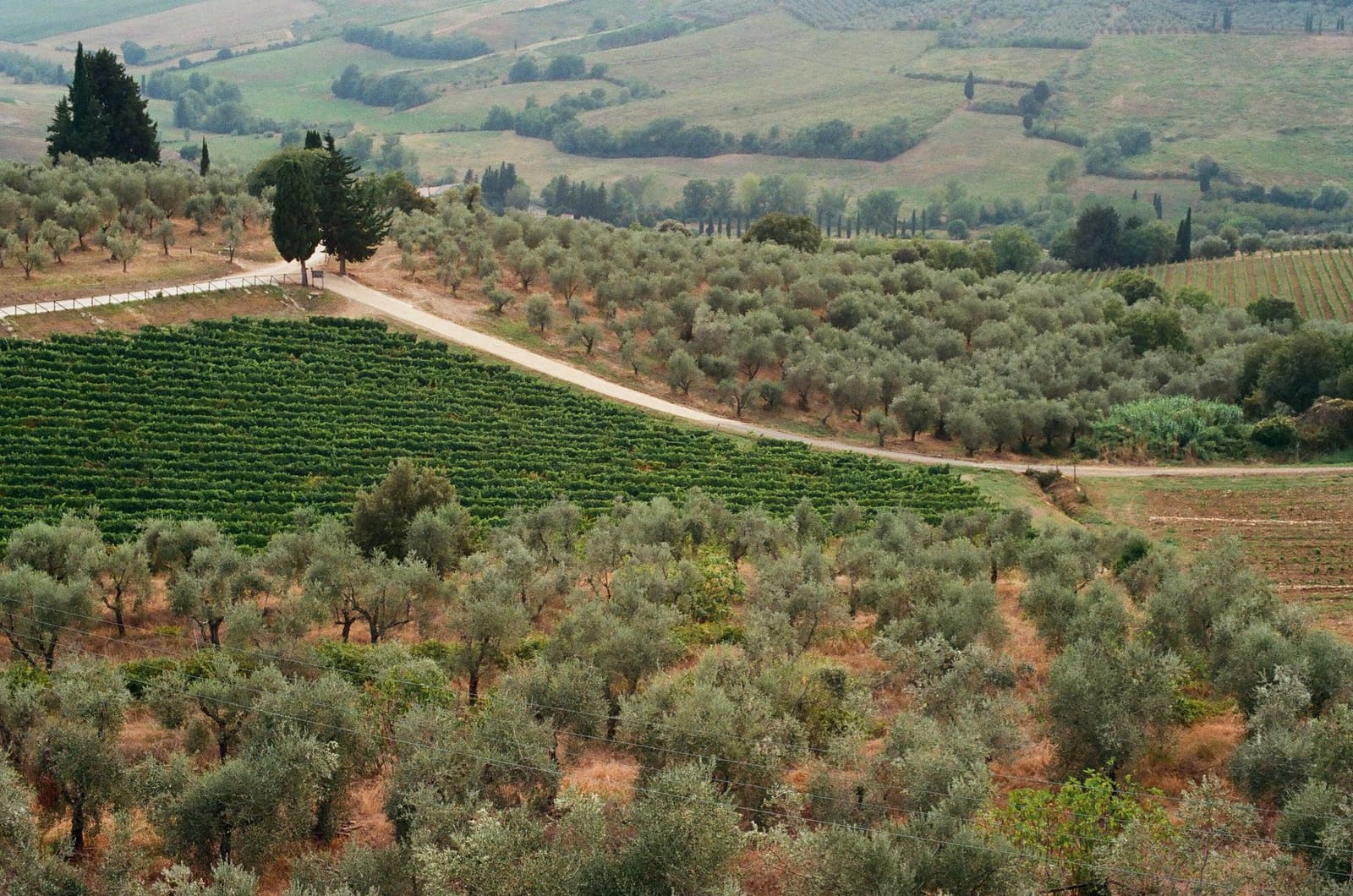
Unlike a whole fish, which loses weight to bones and trim, an oyster bought is almost entirely an oyster served — waste is low, and the real cost sits in the labour of opening and plating at volume. Properly stored at a constant 4°C, oysters keep for several days, though farmers describe their product in terms closer to wine than seafood: Brittany, Normandy, Marennes-Oléron and the Mediterranean each produce a different oyster, and flavour can shift between beds a few hundred metres apart, by parcel and by vintage — not unlike this autumn's tight Zeeland mussel harvest a few hundred kilometres north.
For restaurants building December menus, the producers' message is blunt: the shortage this winter won't be oysters. It will be kitchens that ordered the wrong ones.