Zeeland's mussel harvest hits a 30-year low, oysters hold firm
A wet 2024 cut the Oosterschelde's mussel crop by a third, CBS figures show. The region's oyster beds, grown in the same water, barely noticed the difference.
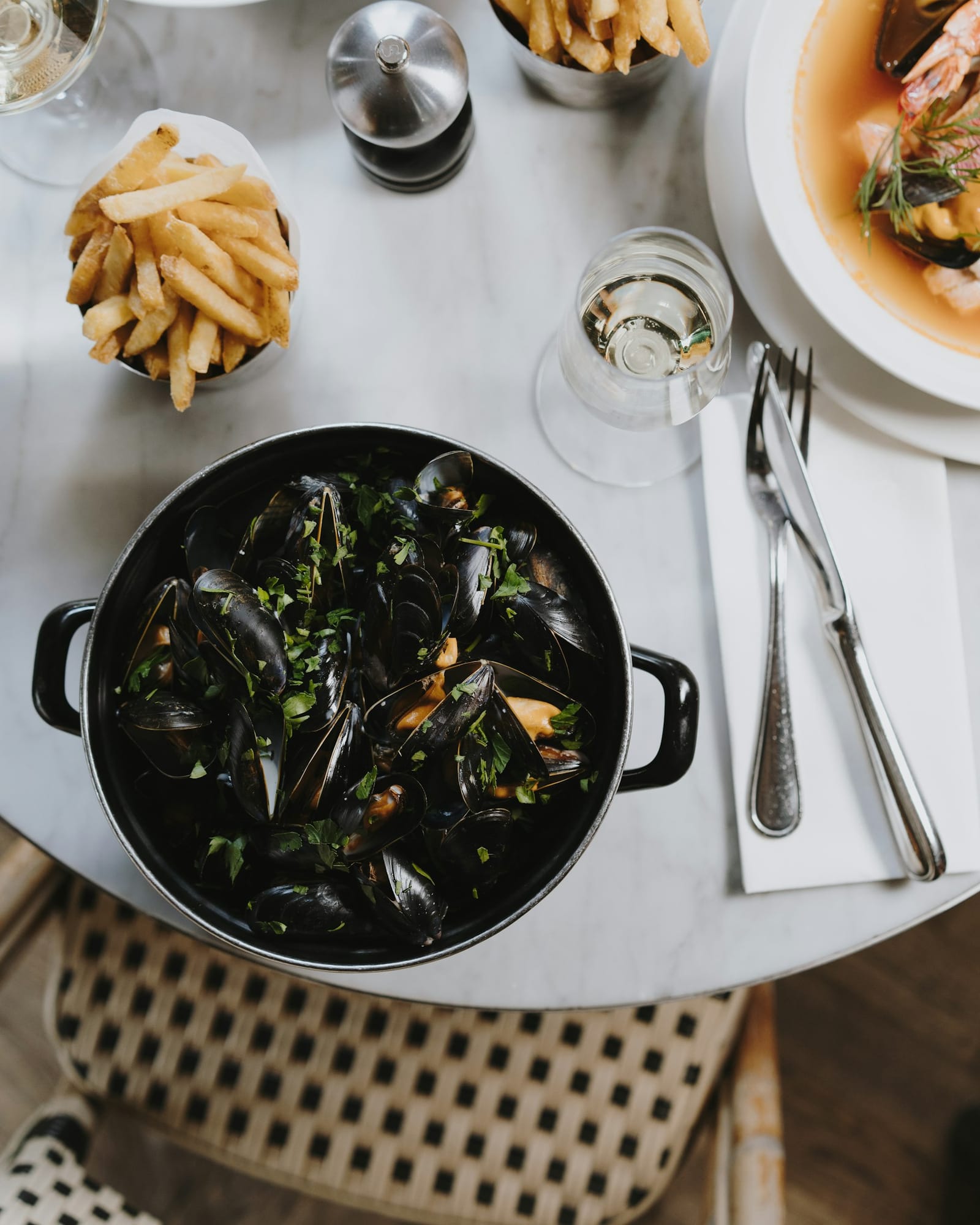
Zeeland's mussel harvest fell to 21,700 tonnes in 2024, the smallest crop in three decades, while the region's oyster beds had one of their steadier years.
The figures come from Statistics Netherlands (CBS), which tracks the shellfish beds of the Oosterschelde and the Wadden Sea each year. The 2024 harvest, the most recent full count, was down almost 30 percent on 2023 and roughly 80 percent below the 105,000 tonnes recorded in 1994.
CBS points to a wet year as the main cause. Heavy rainfall pushed more fresh water into the growing plots, which lowered salinity and cut the plankton mussels feed on. Sixty-eight percent of the harvest was organically farmed, a share that keeps climbing as more growers convert their plots.
A smaller harvest does not mean a pricier pot of moules — not yet.
Oysters are the exception
Oyster production told a different story. Growers cultivated 27.3 million oysters in 2024, almost all of them the Zeeland Creuse, the hollow oyster that dominates Dutch tables. Flat and Creuse oysters together weighed in at 2,700 tonnes, with Creuse accounting for 94 percent of that.
Shellfish farming now covers 12,400 hectares of Zeeland water, split between 10,400 hectares of mussel plots and 2,000 hectares for oysters. The gap in fortunes between two species grown side by side in the same basins shows how differently they respond to a wet year.
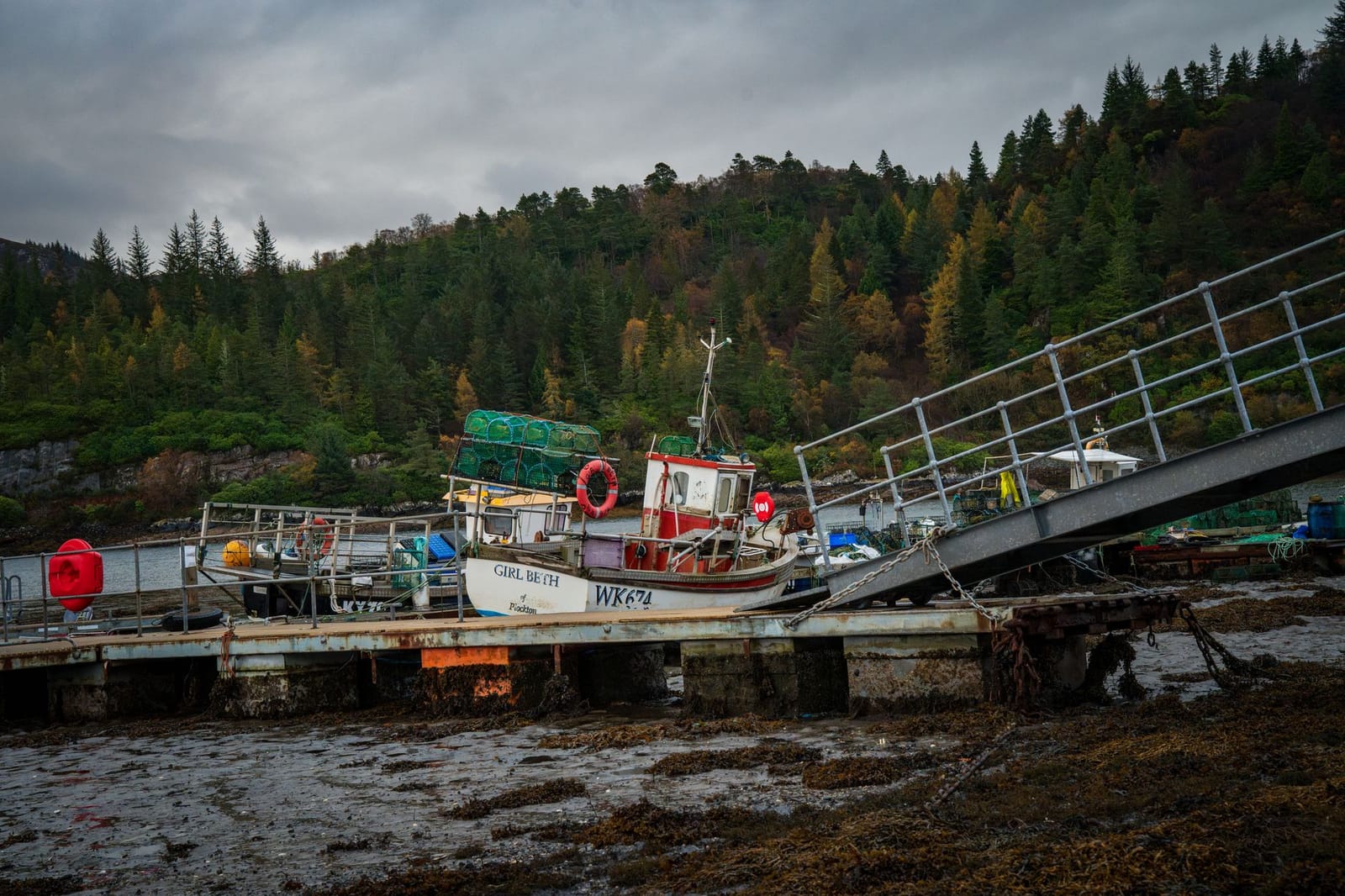
Most of that water drains towards one village. Yerseke became the Netherlands' shellfish hub in the late nineteenth century, when mussel farming overtook open-water fishing, and its harbour still holds the boats and auction houses that move the bulk of the national catch.
What it means at the table
A smaller harvest does not automatically mean a pricier pot of moules. Dutch mussels move mostly through long-standing contracts with Belgian and French wholesalers, and growers can draw on reserve plots in the Wadden Sea when the Oosterschelde underperforms. Kitchens that buy direct from Yerseke, rather than through a central auction, tend to feel a thin year first.
The sole and plaice fishery working the same coastline has faced its own adjustments this year, as North Sea sole up, plaice under question reported. Between the two, the picture for Zeeland's water is of a sector managing scarcity rather than a season of plenty.