A Ferrara butcher built its own farm-to-table chain
Casa Rizzieri grew from a 1969 village butcher shop into a restaurant that writes its own rules for the farms it buys from, run by third-generation butcher Lorenzo Rizzieri.
A family butcher shop outside Ferrara has grown into a restaurant and food project built entirely around its own supply chain, from the farms it works with to the dining room.
Casa Rizzieri, in the hamlet of Focomorto, traces back to F.lli Rizzieri, a butcher shop the family opened in 1969. Lorenzo Rizzieri, who now runs the project, grew up in the trade: he visited stables with his father at eight, started working in the shop at fifteen, spent around a decade in IT, and returned to butchery and cooking in his early twenties.
His father bought from about ten small farmers who each followed different standards. Lorenzo worked with veterinarians and nutritionists to write a shared specification that partner farmers now sign, covering how animals are raised and fed. The programme started with beef and has expanded to chicken, pork, sheep and lamb, with staff visiting partner farms once or twice a week.
A butcher's discipline, not a chef's flourish, is what keeps a supply chain honest.
Salumi cured the slow way
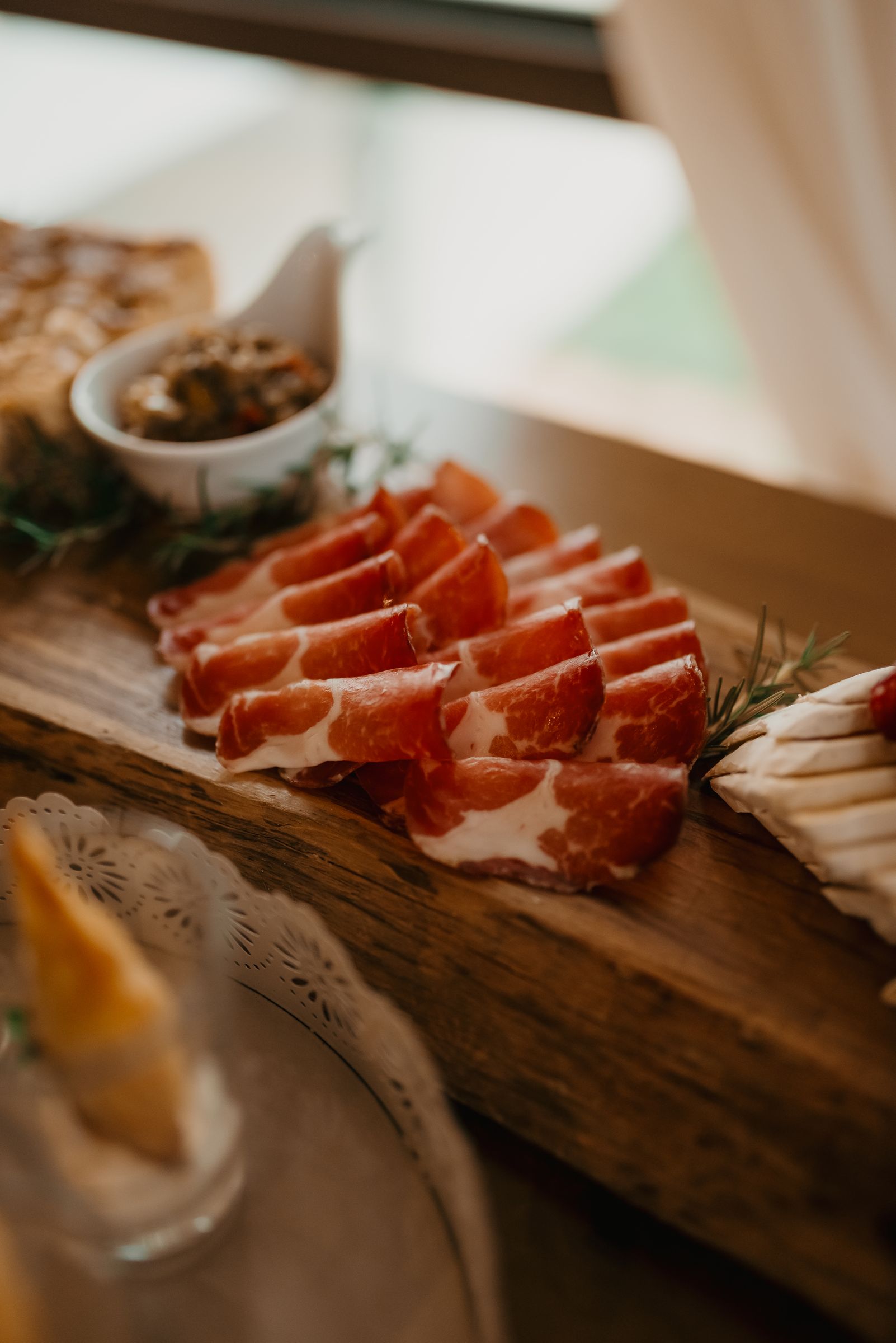
Casa Rizzieri's salumi are made with only salt, pepper and wine, following a recipe the family describes as traditional, and cured for 90 to 150 days depending on the casing in cellars where mould forms naturally rather than being added. The restaurant also bakes its own focaccia, finished over embers.
The dining room, housed next to the butchery, seats guests in an understated space with wood and warm lighting and no tablecloths, with an open kitchen facing a marble counter used for aperitivo. A door separates the dining room from the butchery, sausage-making and production areas behind it. Dishes include a polpettina of scottona with Parmigiano Reggiano and cured ham, pig's ear with candied carrot, and a raviolo of roasted potato and formaggio di fossa with guinea fowl ragù.
Discipline over scale
Lorenzo Rizzieri said the project runs on discipline, and that he is repeatedly struck by how little attention people pay to the value and quality of what they eat. The business has not said how many animals or farms are currently part of its supply chain beyond describing a network that has grown from the original ten.
The Ferrara project sits in a stretch of Italy that has drawn renewed attention to food provenance this year, from the mourning this week of Nadia Santini, the three-star chef from nearby Canneto sull'Oglio, to the theft of 30,000 bottles from an Antinori estate in Cortona last month.