Æblekage recipe: Denmark's apple trifle without an oven
Denmark's layered apple dessert pairs stewed fruit with butter-toasted rye crumbs and whipped cream, built cold in a glass with no cake tin in sight.
Æblekage is Denmark's layered apple dessert: stewed fruit, butter-toasted rye crumbs and whipped cream, built cold in a glass — a trifle, not a cake, that needs no oven at all.
The dish took its present form in the 19th century, when Danish kitchens worked around a single hearth with little patience for baking. Apples were cooked to a loose compote, stale rye bread fried in butter and sugar until it turned to crumbs, and cream whipped only at the end. The name just means “apple cake”, though it sits closer to a trifle, spooned rather than sliced.
It's a home dish more than a restaurant one, the domestic counterpart to the smørrebrød and tasting menus in our guide to what to eat in Copenhagen. It travelled, too: a 1966 Dallas Morning News recipe records Danish-Texan families swapping rye for crumbled doughnuts, served at Christmas rather than as an everyday pudding.
Three layers, no oven, no slicing — just a spoon between the cold fruit and the toasted crumb.
Ingredients
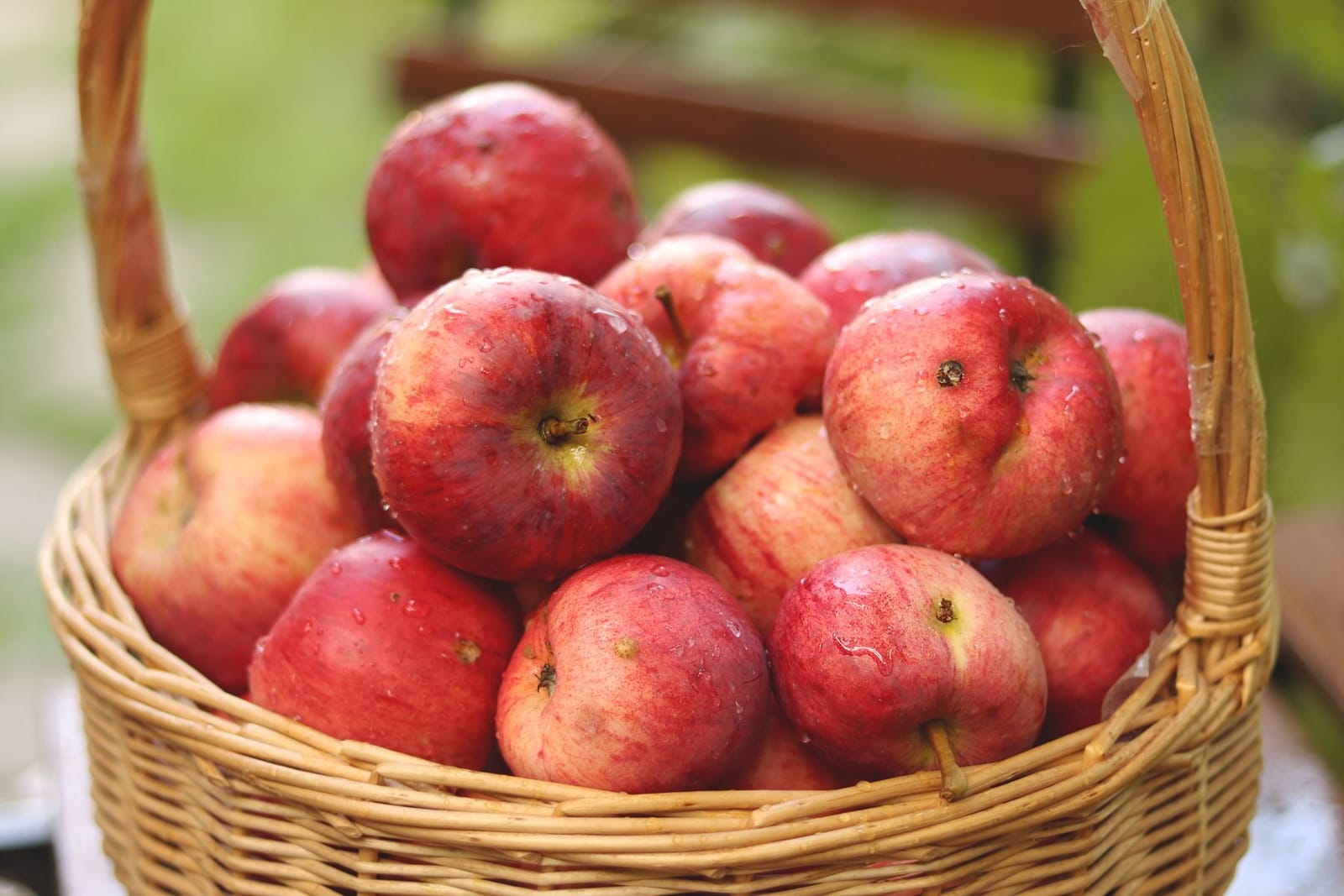
- 900 g tart cooking apples (Bramley or similar), peeled and cored
- 1 vanilla pod, seeds scraped, or 1 tsp vanilla extract
- 1 lemon, juiced and zested
- 50-70 g caster sugar, to taste
- 50 g unsalted butter
- 150 g dried rye bread, crushed into coarse crumbs
- 60 g soft brown sugar
- 300 ml double cream, well chilled
- 4-5 almond macaroons (makroner), crushed, to finish
- A small handful of redcurrants, to finish
Method
- Chop the apples and cook with the lemon juice, vanilla and a splash of water, covered, over medium-low heat for 15-18 minutes until collapsed into a purée. Lemon keeps the colour pale and stops browning before it's layered.
- Stir in sugar once the fruit has broken down, tasting as you go, so you're seasoning the apples' real acidity, not guessing at it. Cool, then chill an hour so the layers hold against the cream.
- Melt the butter in a wide pan without colouring it, add the rye crumbs and brown sugar, and toast, stirring, 3-4 minutes until deep gold. The sugar caramelises around the crumbs, keeping them crisp under cold cream.
- Cool the crumbs fully on a tray; used warm, they trap steam against the cream and soften within minutes.
- Whip the chilled cream to soft peaks only, since the dessert is spooned, not sliced, and a looser cream folds over the crumbs without crushing them.
- Just before serving, layer purée and crumbs in glasses, repeat once, and top with cream, macaroons and redcurrants. Assemble last-minute: the contrast between warm-toned crumb and cold fruit is the point, and it fades within the hour.
Serve it in a glass, not on a plate
This æblekage recipe is built for the spoon, not the knife: individual glasses show the three layers off better than one shared bowl and keep the bottom crumb from softening before the last portion is served. Most Danish families keep their own variation on the crumb — hazelnuts instead of rye, cherry jam instead of redcurrants — without changing the method. Serve cold, the day it's assembled, with nothing stronger than coffee: the sharpness in the apples and the bitterness of the toasted rye already do the work a dessert wine would otherwise have to.
Can it be made ahead? The apple purée and the toasted crumbs both keep well in the fridge for up to two days; only the cream gets whipped and the glasses assembled at the last minute.