What to eat in Copenhagen: 10 dishes and where to find them
Ten dishes and experiences, from smørrebrød at Aamanns 1921 to Reffen street food, with real DKK prices, addresses and opening hours across Copenhagen's best neighbourhoods for eating well.
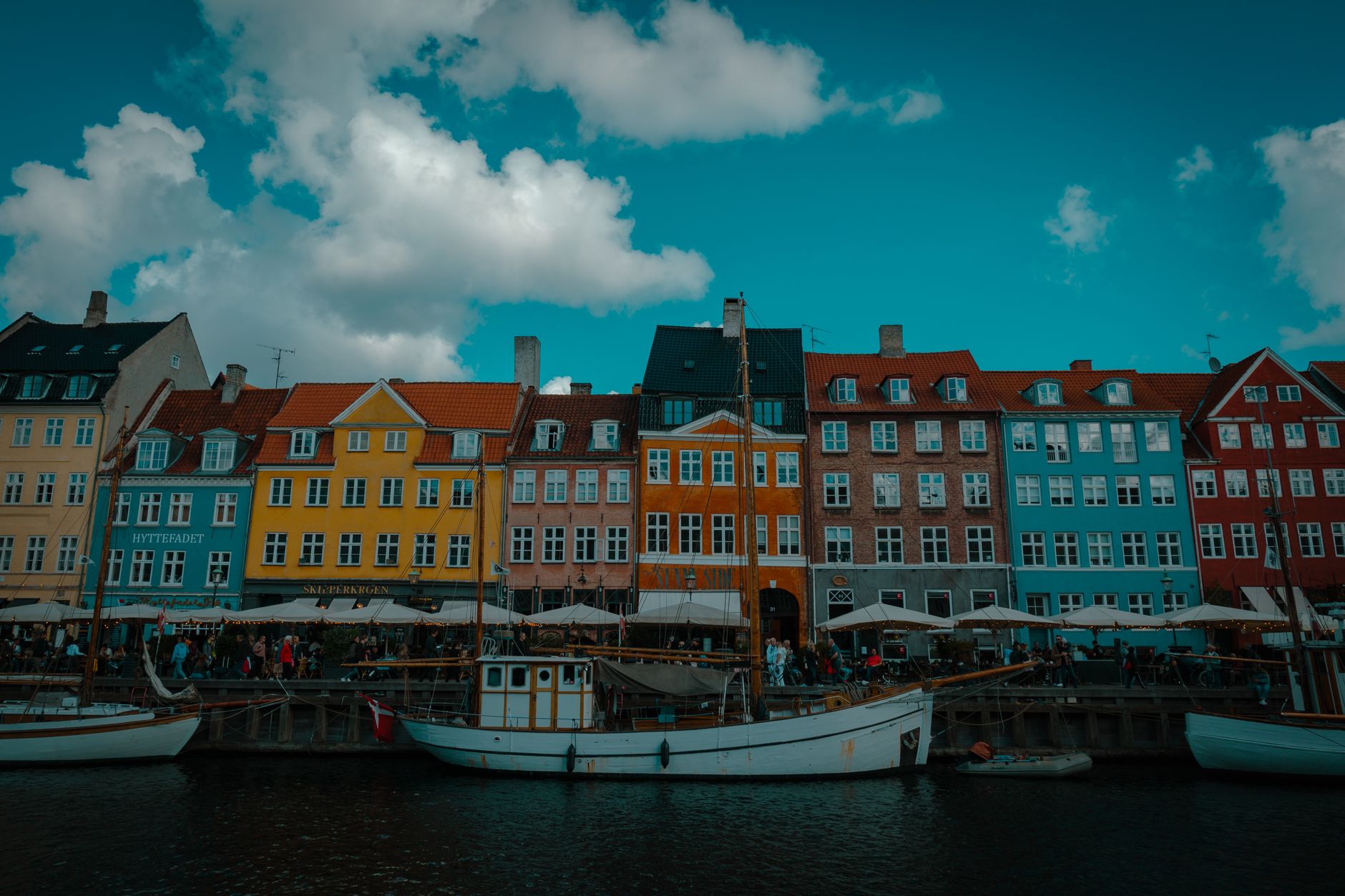
What to eat in Copenhagen comes down to contrast: rye bread and butter beside a three-Michelin-star tasting menu, a 45-krone hot dog eaten standing up ten minutes from a restaurant with a year-long waitlist. Do not leave without trying real smørrebrød, a still-warm kanelsnegl, and at least one stall at Torvehallerne market.
Denmark's food identity was rewritten by the New Nordic movement of the mid-2000s, a manifesto for regional, seasonal cooking that turned Copenhagen into one of the world's most closely watched food cities. That discipline — foraged herbs, root vegetables, fermentation, fish landed that morning — now runs through both the tasting-menu temples and the neighbourhood lunch counters.
But New Nordic sits on top of an older layer: rye bread (rugbrød), pickled herring, and a bakery tradition that produces some of Europe's best pastry. Knowing what to eat in Copenhagen means eating both layers in the same day, not choosing one over the other — the same way what to eat in Amsterdam mixes herring stalls with tasting menus a short flight away.
Rye bread and butter beside a three-Michelin-star tasting menu, a 45-krone hot dog ten minutes from a year-long waitlist — that contrast is what to eat in Copenhagen.
What to eat in Copenhagen: smørrebrød at Aamanns 1921, Indre By
Smørrebrød is rye bread topped, not sandwiched — pickled herring, hand-peeled shrimp, or roast pork with crackling and red cabbage, each piece built for a knife and fork. Adam Aamann is Copenhagen's best-known name in the field, having spent two decades modernising a format dating back to 19th-century lunch rooms.
At Aamanns 1921, Niels Hemmingsens Gade 19-21 in Indre By, a few streets from Strøget, individual pieces run roughly 145-195 DKK and a mixed plate closer to 300-350 DKK. Lunch only, and it is worth booking a day or two ahead.
Kanelsnegl at Hart Bageri, Frederiksberg
Wienerbrød is the umbrella term for Denmark's laminated pastry tradition, and Hart Bageri, opened by former Tartine head baker Richard Hart with backing from Noma's René Redzepi, has become the benchmark version of it. The kanelsnegl — a cinnamon snail with a caramelised, almost burnt edge — is the one people queue for.
The bakery is at Gammel Kongevej 109 in Frederiksberg. Arrive close to opening at 8:00 to get one; the day's five or six pastry varieties, priced 30-45 DKK, are usually gone by early afternoon.
Hot dog at DØP, near Rundetårn
The pølsevogn, or hot dog cart, is Copenhagen street food at its most basic and most beloved. DØP — Den Økologiske Pølsemand — runs an all-organic version: pork or beef sausage, whole-grain sourdough bun, and toppings from remoulade to crispy onions, all certified organic.
Find the cart on Købmagergade 52, by the Round Tower. A hot dog "med det hele" (with everything) costs about 40-65 DKK. It once beat a Michelin-starred restaurant to a local best-eatery award, which tells you most of what you need to know about how seriously Danes take this snack.
Herring and market grazing at Torvehallerne
Torvehallerne's two glass market halls, near Nørreport station, hold more than 60 stalls selling fish, cheese, bread, flowers and prepared food — the fastest way to taste a cross-section of what to eat in Copenhagen in under an hour: pickled herring, smoked mackerel, rye bread with butter.
Expect to pay 80-150 DKK per stall dish. The halls are open Monday to Saturday from 10:00 (closing 18:00-19:00) and Sunday 11:00-17:00; go before noon on weekdays to beat the lunch crowd.
Filter coffee at Coffee Collective, Torvehallerne or Nørrebro
Coffee Collective opened its first café on Jægersborggade in Nørrebro in 2007 and is widely credited with starting Scandinavia's specialty coffee movement — light roasts, direct-trade beans, and meticulous filter brewing rather than the darker espresso style common further south in Europe.
There are now eight locations in the city, including a stall inside Torvehallerne (Vendersgade 6D) and the original Nørrebro café. A cup runs 35-55 DKK. Either stop works as a short break between the market and an afternoon of walking.
Frikadeller and flæskesteg at Det Lille Apotek, Indre By
For the home-cooking end of Danish food, Det Lille Apotek has been serving it since 1720, making it the oldest restaurant in the city. Frikadeller (pan-fried pork and veal meatballs) and flæskesteg (roast pork with crackling) are the two dishes regulars order without looking at the rest of the menu.
It is at Store Kannikestræde 15, a short walk from Nørreport. A lunch plate runs 150-250 DKK; the full dinner version of flæskesteg, with potatoes and gravy, is closer to 230-280 DKK.
New Nordic dinner at Barr, Christianshavn
Noma put Copenhagen on the culinary map, and Kadeau, also in Christianshavn, was promoted to three Michelin stars in 2026 for its Bornholm-rooted tasting menus — worth knowing even if a same-week table is unrealistic. Barr, reopened in June 2026 after a full renovation, is the more accessible route into the same New Nordic thinking, built around North Sea and Baltic food cultures rather than fine-dining formality.
Barr is at Strandgade 93, facing the harbour. Expect rustic, beer- and butter-forward small plates rather than tweezer food, with dinner for two running 500-900 DKK before drinks — a different register from the classic technique behind what to eat in Lyon, but the same seriousness about ingredients.
Seafood at Kødbyens Fiskebar, Vesterbro
Kødbyen, Vesterbro's former meatpacking district, is now one of the city's densest restaurant clusters. Kødbyens Fiskebar, in a converted industrial hall, makes the best case for Danish seafood outside a tasting menu: North Sea shellfish, smoked fish, and a serious natural wine list.
It is at Flæsketorvet 100. A full dinner with a few shared plates runs 300-600 DKK per person, and a table is worth booking, especially on weekends.
Street food at Reffen, Refshaleøen
Reffen, on the former shipyard island of Refshaleøen, is one of the largest street food markets in northern Europe: more than 30 stalls in shipping containers, plus bars and an on-site brewery, spread along the waterfront. It runs seasonally, open daily from around mid-March to late October.
Portions across the market cost 80-150 DKK, covering everything from Danish smoked fish to Vietnamese, Mexican and Middle Eastern stalls — a useful contrast to the more traditional dishes elsewhere on this list.
Natural wine at Ved Stranden 10, Indre By
Ved Stranden 10 sits on a canal near Holmens Kanal, a few minutes from Christiansborg Palace, and pours mostly natural and biodynamic wine — 10 to 15 selections by the glass, rotating monthly rather than fixed on a printed list. Wednesday tastings run through four to six wines with a sommelier talking through each pour.
Glasses run 90-150 DKK, snacks 60-120 DKK. In summer, the canal-side terrace is the better seat than the interior — a bar-hopping pace closer to what to eat in San Sebastián than to a formal wine list.
Markets, neighbourhoods and when to go
A short list of where to base a day of eating, and when the doors are actually open:
- Torvehallerne market — Frederiksborggade 21, near Nørreport station. Monday-Friday 10:00-19:00, Saturday 10:00-18:00, Sunday 11:00-17:00.
- Reffen street food — Refshaleøen. Daily, roughly mid-March to late October, 12:00-22:00 in high season.
- Indre By (city centre) — smørrebrød, old-school lunch rooms and natural wine bars within walking distance of each other.
- Vesterbro / Kødbyen — the former meatpacking district, now seafood, natural wine and late-night bars.
- Christianshavn — New Nordic dining, from casual (Barr) to three-star tasting menus (Kadeau).
Frequently asked questions about eating in Copenhagen
Is Copenhagen expensive to eat in? It can be at tasting-menu level, but a full day of what to eat in Copenhagen on a moderate budget — market stalls, a hot dog, a bakery stop, one sit-down lunch — typically runs 300-700 DKK per person.
Do I need to book smørrebrød lunches ahead? At well-known addresses like Aamanns 1921, yes, at least a day or two ahead, particularly for weekday lunch.
Is Reffen open outside summer? Its core season runs mid-March to late October; some vendors close outside that window, so check before planning a trip around it.
What should I order if I only have one meal? A mixed smørrebrød plate covers rye bread, herring and roast pork in one sitting — the most complete single-meal answer to what to eat in Copenhagen.
Where to book first
Reserve these three first: Aamanns 1921 (Niels Hemmingsens Gade 19-21) for a proper smørrebrød lunch, Barr (Strandgade 93) for New Nordic dinner without a fine-dining price tag, and Kødbyens Fiskebar (Flæsketorvet 100) for seafood and natural wine in the Meatpacking District.
Sources
- VisitCopenhagen - The Coffee Collective · 2026-01-01
- Michelin Guide - Kadeau Copenhagen · 2026-01-01
- CopenhagenFoodie - A New Chapter for Barr · 2026-07-18
- Reffen - official site · 2026-01-01
- Fiskebaren - Kodbyens Fiskebar · 2026-01-01