What to eat in Kuala Lumpur: 10 dishes and where to find them
Ten real, currently open stalls and shoplots across Kuala Lumpur, from Petaling Street Hokkien mee to Kampung Baru satay, with neighbourhoods and MYR prices.
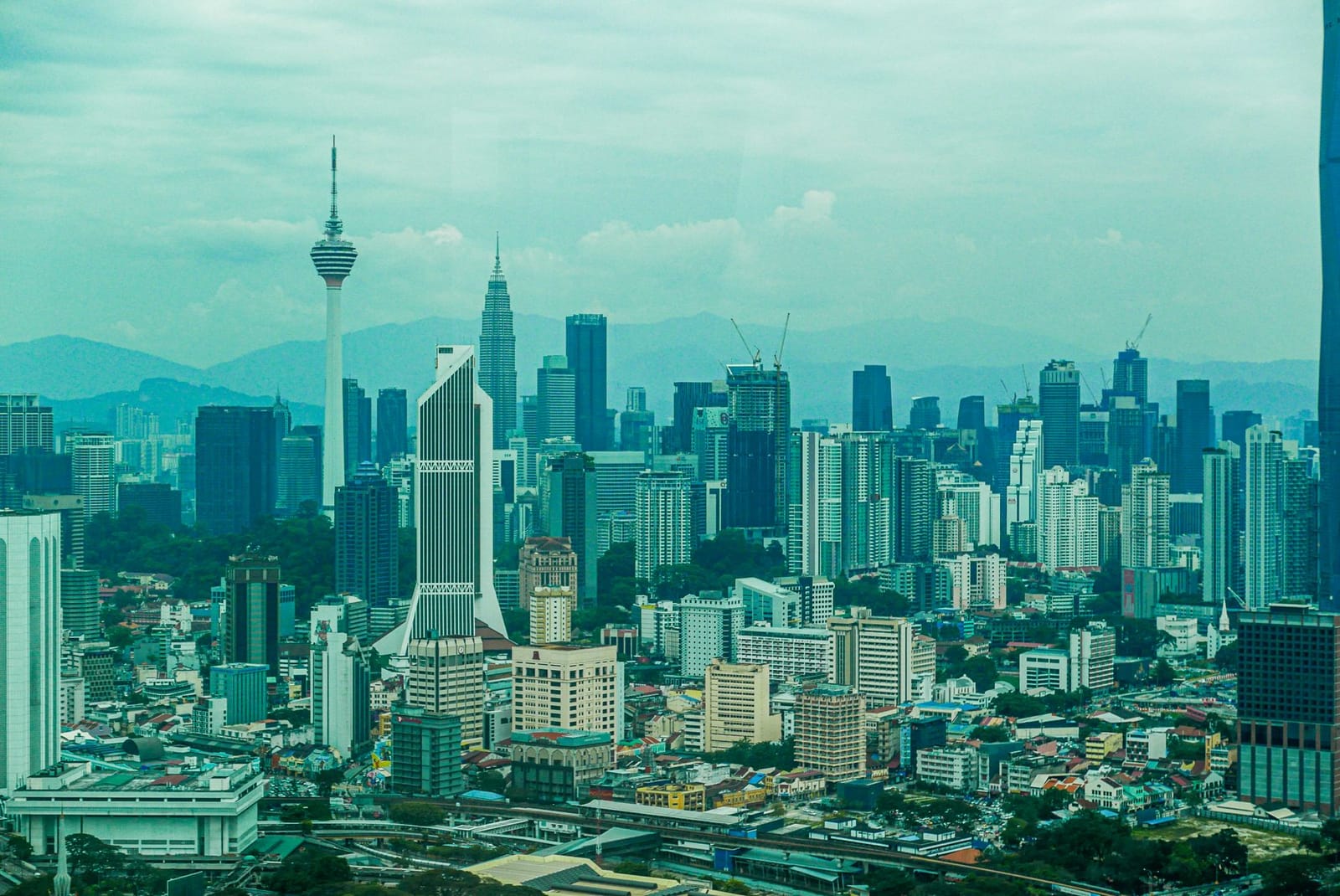
What to eat in Kuala Lumpur comes down to three food cultures sharing one plate: Malay, Chinese and Indian, with a Nyonya thread running through all three. Start with a hawker breakfast of nasi lemak or roti canai, and do not leave without trying char-grilled satay, a claypot of bak kut teh and a bowl of cendol.
The capital's food identity formed from three overlapping migrations: Malay kampung cooking, the Hokkien, Cantonese and Hainanese trades of the tin boom, and South Indian and Mamak traders who opened the first all-night kopitiams. Coconut milk, belacan, chilli and herbs like pandan and curry leaf recur across all three, and Nyonya cooking, carried up from Melaka and Penang, blends them further.
Hawker culture runs on specialisation, not menus: a stall cooks one dish, sometimes for sixty years, and shuts when ingredients run out. The best introduction is on the street, moving between Petaling Street, Jalan Alor, Kampung Baru and Brickfields — though fine dining moves fast too, with chef Garima Arora opening a modern Indian kitchen at the Waldorf Astoria in 2026.
KL's best meals come from a single stall that has cooked one dish for decades, not from a kitchen with a menu.
Nasi lemak at Village Park Restaurant, Damansara Uptown — the obvious start to what to eat in Kuala Lumpur
Nasi lemak is coconut rice steamed with pandan, served with sambal, fried anchovies, peanuts, cucumber and egg — breakfast, lunch or a 2am snack, wrapped in banana leaf or plated with fried chicken.
Village Park Restaurant, in Damansara Uptown in the Klang Valley just west of the centre, is known for crisp turmeric-marinated ayam goreng; queues form from mid-morning. Address: 5, Jalan SS21/37, Damansara Utama (Uptown), 47400 Petaling Jaya. Plate with chicken: about RM10-18.
Charcoal Hokkien mee at Kim Lian Kee, Petaling Street
Hokkien mee here means thick egg noodles fried dark with reduced pork lard, soy sauce and pork belly, finished over charcoal until the edges catch — far drier and heavier than the Hokkien mee of Penang or Singapore.
Kim Lian Kee has cooked it on Jalan Hang Lekir, in the heart of Petaling Street, since the 1920s, wok-tossing over open charcoal burners outside the original shoplot. Address: Jalan Hang Lekir, Petaling Street, 50000 Kuala Lumpur. Roughly RM10-15 a plate.
Claypot bak kut teh at Ah Hei Bak Kut Teh, Pudu
Bak kut teh is pork ribs simmered for hours in a dark herbal broth of star anise, cinnamon, cloves and dong quai, served bubbling in a claypot with rice, youtiao and chopped chilli in soy sauce.
Ah Hei, in a Pudu shoplot, holds a Michelin Bib Gourmand for a broth built from sixteen Chinese herbs, simmered fresh daily. Address: 33A, Medan Imbi, Imbi, 55100 Kuala Lumpur. Closed Wednesdays; around RM15-25 per person.
Hainanese chicken rice at Nam Heong Chicken Rice, Jalan Sultan
Poached chicken served with rice cooked in the poaching stock, chilli-ginger sauce and clear soup — it arrived with Hainanese migrants and became a citywide lunch staple.
Nam Heong has served it on Jalan Sultan, near Pasar Seni and Petaling Street, since 1938, and holds a Michelin Bib Gourmand for village-breed chicken sliced to order. Address: 56, Jalan Sultan, 50000 Kuala Lumpur. About RM12-17 a set.
Banana leaf rice at Sri Nirwana Maju, Bangsar
Banana leaf rice is South Indian in origin: steamed rice on a leaf with a rotating set of vegetable curries, rasam, papadum and a protein, usually fried chicken or mutton, eaten by hand and refilled free.
Sri Nirwana Maju, open since the late 1980s on Jalan Telawi in Bangsar, is known for its fried chicken, mutton varuval and okra curry. Address: 43, Jalan Telawi 3, Bangsar Baru, 59100 Kuala Lumpur. Daily to 1.30am; roughly RM15-25 a set.
Nasi kandar at Nasi Kandar Pelita, Jalan Ampang
Nasi kandar is a Penang-born, citywide habit: rice ladled with a mix of curries and fried items at the counter, often including beef rendang (try our beef rendang recipe at home), rather than ordered dish by dish.
Pelita's Jalan Ampang branch, open around the clock, is a standard late-night stop for its fried squid and curried chicken. Address: 113, Jalan Ampang, 50450 Kuala Lumpur. Open 24 hours; roughly RM10-20 a plate.
Roti canai and roti babi at Yut Kee, Chow Kit
Roti canai, the flaky flatbread torn and dipped in dhal or curry, is the standard mamak breakfast citywide, but Yut Kee pairs it with roti babi, a fried roll of minced pork and crabmeat rare outside old-school kopitiams.
The shop has operated near Chow Kit since the colonial era, keeping its marble tables through a short move off Jalan Dang Wangi. Address: 1, Jalan Kamunting, Chow Kit, 50300 Kuala Lumpur. Tue-Sun, 8am-5pm, closed Mondays; roughly RM5-15.
Grilled satay at Satay Capitol 1951 Warisan, Kampung Baru
Skewers of marinated chicken, beef or offal are grilled over charcoal and served with peanut sauce, compressed rice cubes (ketupat), cucumber and onion, usually ordered ten sticks at a time.
Kampung Baru, the old Malay enclave near the Petronas Towers, is the most reliable place to find it grilled fresh rather than pre-cooked, with Satay Capitol among the stalls on the area's main food street. Address: 25, Jalan Raja Uda, Kampung Baru, 50300 Kuala Lumpur. Roughly RM1-1.50 a stick.
Cendol at Cendol Sulaiman, off Jalan Pudu
Cendol is shaved ice over green rice-flour jelly noodles, coconut milk and gula melaka (palm sugar syrup), sometimes topped with red beans or creamed corn — an afternoon cooldown rather than a formal dessert.
Cendol Sulaiman has worked a stall in front of Restoran MSS Maju off Jalan Pudu for decades, closing once the syrup runs out. Address: off Jalan Pudu (in front of Restoran MSS Maju), 55100 Kuala Lumpur. Daily, roughly 8.30am-3pm; around RM3-6 a bowl.
Grazing Jalan Alor at night, Bukit Bintang
Jalan Alor is less a single dish than a format: a pedestrianised strip of open-front stalls grilling seafood, chicken wings, satay and noodles under strip lighting from early evening.
It is tourist-facing and pricier than elsewhere, but it is the easiest place to sample several dishes in one sitting. Address: Jalan Alor, Bukit Bintang, 50200 Kuala Lumpur. Busiest 6pm to past midnight; roughly RM20-60 per person, more for seafood by weight.
Markets, neighbourhoods and when to go
Figuring out what to eat in Kuala Lumpur is partly about picking the right neighbourhood at the right hour:
- Petaling Street and Chinatown — daytime market, evening hawker food; centred on Jalan Hang Lekir and Jalan Petaling.
- Jalan Alor, Bukit Bintang — night-only street food strip, roughly 6pm to past midnight, busiest Friday and Saturday.
- Kampung Baru — Malay enclave for satay, roti canai and nasi lemak, especially lively during the Ramadan bazaar season.
- Bangsar and Brickfields — banana leaf rice, South Indian sweets and kopitiams, good for a slower lunch.
- Chow Kit — old-school coffeeshops and a working wet market, best visited mornings.
- Central Market (Pasar Seni) — covered heritage market with crafts and a food court, useful on a rainy day.
If a Malaysia trip continues south, our guide to what to eat in Singapore covers that city's own hawker classics.
Frequently asked questions about eating in Kuala Lumpur
Is Kuala Lumpur expensive to eat in? No — a hawker meal typically costs RM8-25 per person, and even a heavier night on Jalan Alor rarely tops RM60 unless seafood is involved.
What is the dish to try first? Nasi lemak is the closest thing the city has to a national dish, and the standard answer to what to eat in Kuala Lumpur on a first morning.
Is street food safe to eat? Stick to stalls with visible turnover and a queue; most cook to order and move through ingredients fast. Cash is still the norm, though more stalls now take e-wallets.
When is the best time of year to visit for food? Any time works, since the climate is tropical year-round, but the Ramadan bazaar season adds an extra layer of stalls to areas like Kampung Baru.
Where to book first
These three anchor what to eat in Kuala Lumpur beyond the individual stalls above, and none of them take reservations, but fixed hours make a day easy to plan around them:
Ah Hei Bak Kut Teh, 33A, Medan Imbi, Imbi, 55100 Kuala Lumpur (closed Wednesdays).
Nam Heong Chicken Rice, 56, Jalan Sultan, 50000 Kuala Lumpur.
Sri Nirwana Maju, 43, Jalan Telawi 3, Bangsar Baru, 59100 Kuala Lumpur.