Decanter Hall of Fame 2026 goes to Lalou Bize-Leroy
The Burgundy biodynamic pioneer takes wine's best-known lifetime award, while Jerez researchers Ramiro Ibáñez and Willy Pérez share the Rising Star prize.
Decanter named Lalou Bize-Leroy to its Hall of Fame on 2 October, crowning six decades in Burgundy with the magazine's best-known lifetime honour. Born Marcelle Leroy in Paris in 1932, she began buying wine for her family's négociant house, Maison Leroy, in 1955, aged 23, trained by her father Henri.
Henri Leroy had bought a 50% stake in Domaine de la Romanée-Conti in 1942, and Bize-Leroy succeeded him as co-director in 1974. She resigned in 1992, handing the role to her daughter Perrine Fenal, but by then she had already founded her own estates: Domaine Leroy in 1988 and Domaine d'Auvenay the same year, both now among the most sought-after names for Burgundy collectors.
Rigour over reputation, Decanter argues
Low yields and rigorous sorting outlast any single vintage, which is the whole point of doing it that way.
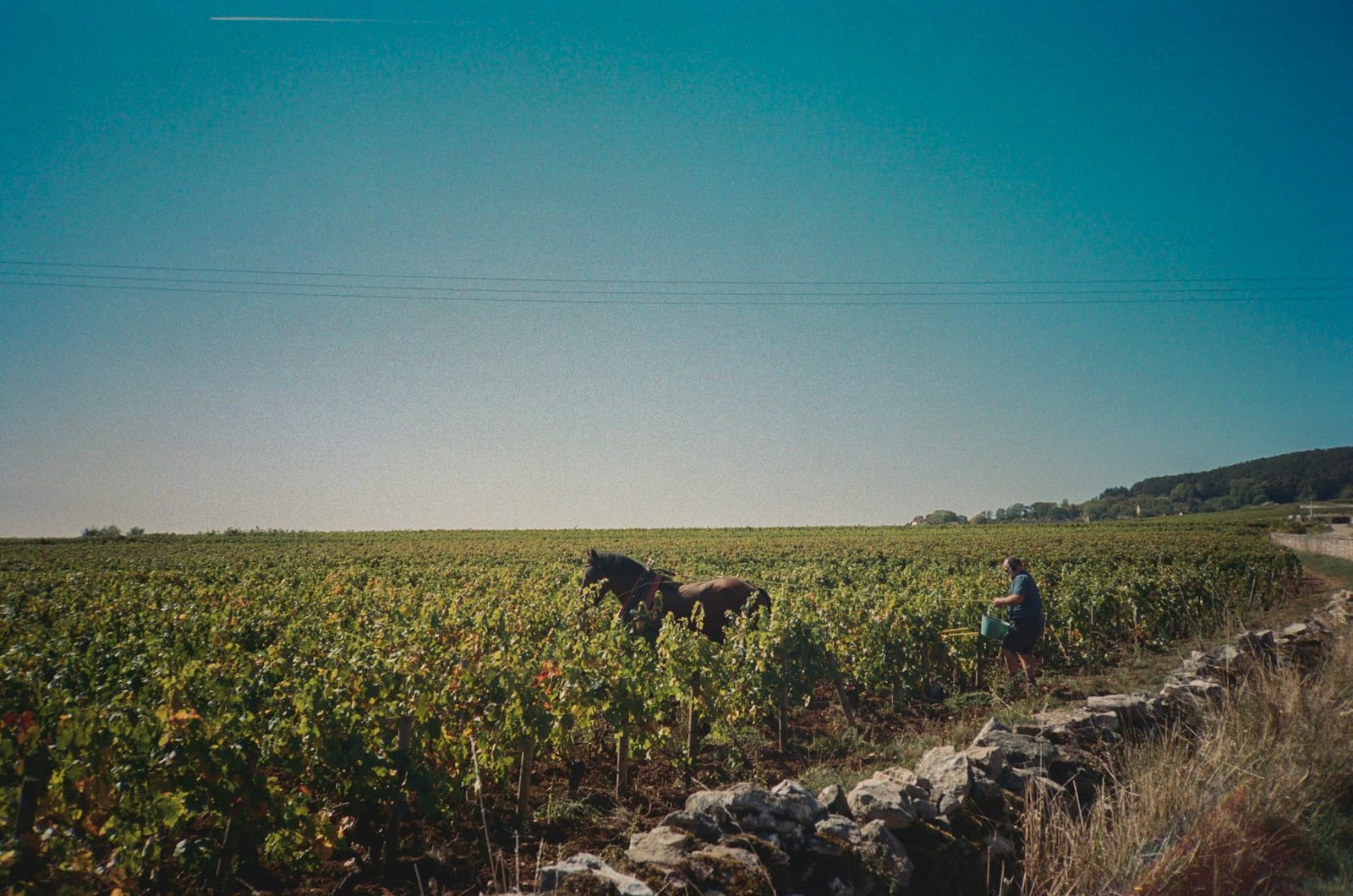
Decanter's Burgundy correspondent, Charles Curtis MW, credited her biodynamic leadership, low yields and rigorous sorting as her lasting contribution, rather than any single vintage. She converted both her domaines to biodynamic farming well before it became standard practice among Burgundy's grand cru growers, at a cost to volume that she accepted as the price of concentration.
The Hall of Fame prize has run since 1984, and Bize-Leroy joins a list dominated by growers and négociants whose influence outlasted their own cellars.
A sherry revival built on archives
This year's newer Rising Star award, which runs alongside the Hall of Fame, went jointly to Ramiro Ibáñez and Willy Pérez, researchers in the Marco de Jerez whom Decanter calls “Jerez mavericks.” The pair met at university and spent years digging through regional archives and old vineyard records while working other jobs, work that helped revive the historic De la Riva brand.
Decanter's regional editor for Spain, Portugal and South America, Ines Salpico, praised their “painstaking research work, relentless digging into archives and informed dissent.” Their case centres on vinos de pasto, Jerez's unfortified whites, which Pérez argues belong to the same regional heritage as the sweet, oxidative and biologically aged wines the region is better known for — not a separate trend, but a return to it. The twin wins put Andalusia's sherry country back in wine's conversation alongside Burgundy's grand crus.
Sources
- Decanter ·