TikTok turns its food feed into a dining guide
Must Eat ranks restaurants in New York, Los Angeles and the Bay Area by what the platform's own community posts about, not by inspectors.
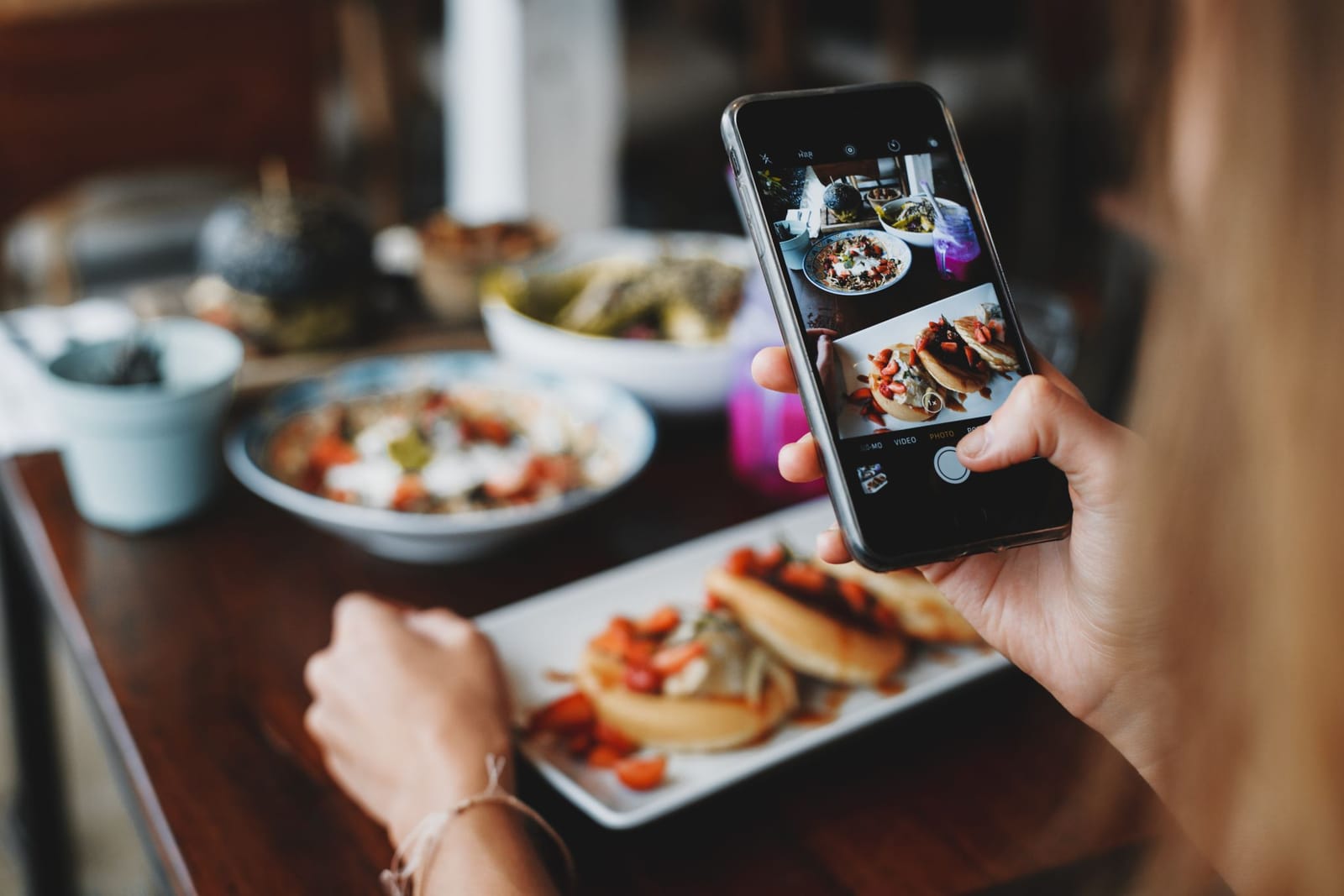
TikTok has turned its restaurant chatter into a dining guide, launching Must Eat with recommendations for New York City, Los Angeles and the San Francisco Bay Area.
Adam Presser, chief executive of the TikTok USDS joint venture, introduced the feature at a media event in New York. "TikTok Must Eat is the compilation of all of the conversation that's happening on the TikTok platform," he said. TikTok says the guide draws on more than 40 million posts, reviews and comments, sorted into two lists per city: Everyday Eats, for casual spots people return to, and Elevated Dining, for special-occasion tables.
Readers reach it through the TikTok search bar, a new Local Feed tab, points-of-interest pages and location tags attached to videos. Restaurants already on the platform with an OpenTable integration can be booked directly inside the app. The feature extends TikTok GO, a tool launched in May that lets users book hotels, tours and attractions found on the platform.
A list that updates with the feed, not with a once-a-year inspector's visit.
In New York, one of the three launch cities, the kind of attention Must Eat tracks is already building around Cholapink, the restaurant Daddy Yankee opens on 28 October — the sort of fresh opening the guide is built to surface quickly.
How a restaurant makes the list
TikTok says restaurants cannot pay to be featured. Independent restaurants and local specialities get priority over chains, and every listing is checked before publication to confirm the restaurant is open, operating and in good standing. Each entry carries a price range, location, a stated reason for the recommendation and links to related TikTok videos.
Crowd data instead of inspectors
Michelin inspectors and most professional city guides reach their picks through anonymous visits and fixed criteria applied consistently across restaurants. Must Eat works differently: it ranks by the volume and recency of posts, comments and saves on TikTok, with the platform's own systems deciding what counts as organic enough to surface. That is a different mechanism for earning a place on a list, not a verdict on either one.
TikTok also cites figures of its own, not independently verified: it says 27 million Americans visited an independent restaurant, café or shop for the first time after discovering it on the app, generating an estimated $4.7 billion in local spending.
For now, Must Eat covers three US metro areas. Whether it expands beyond them, and whether a restaurant can stay listed once the posts that put it there slow down, are questions TikTok hasn't answered yet.