Deposit on dairy bottles and juice bottles arrives in 2028
Plastic dairy and juice bottles of up to three litres will carry a deposit in the Netherlands. Verpact starts a phased rollout in 2027, and the system must run from 1 January 2028. The amount is not yet known.
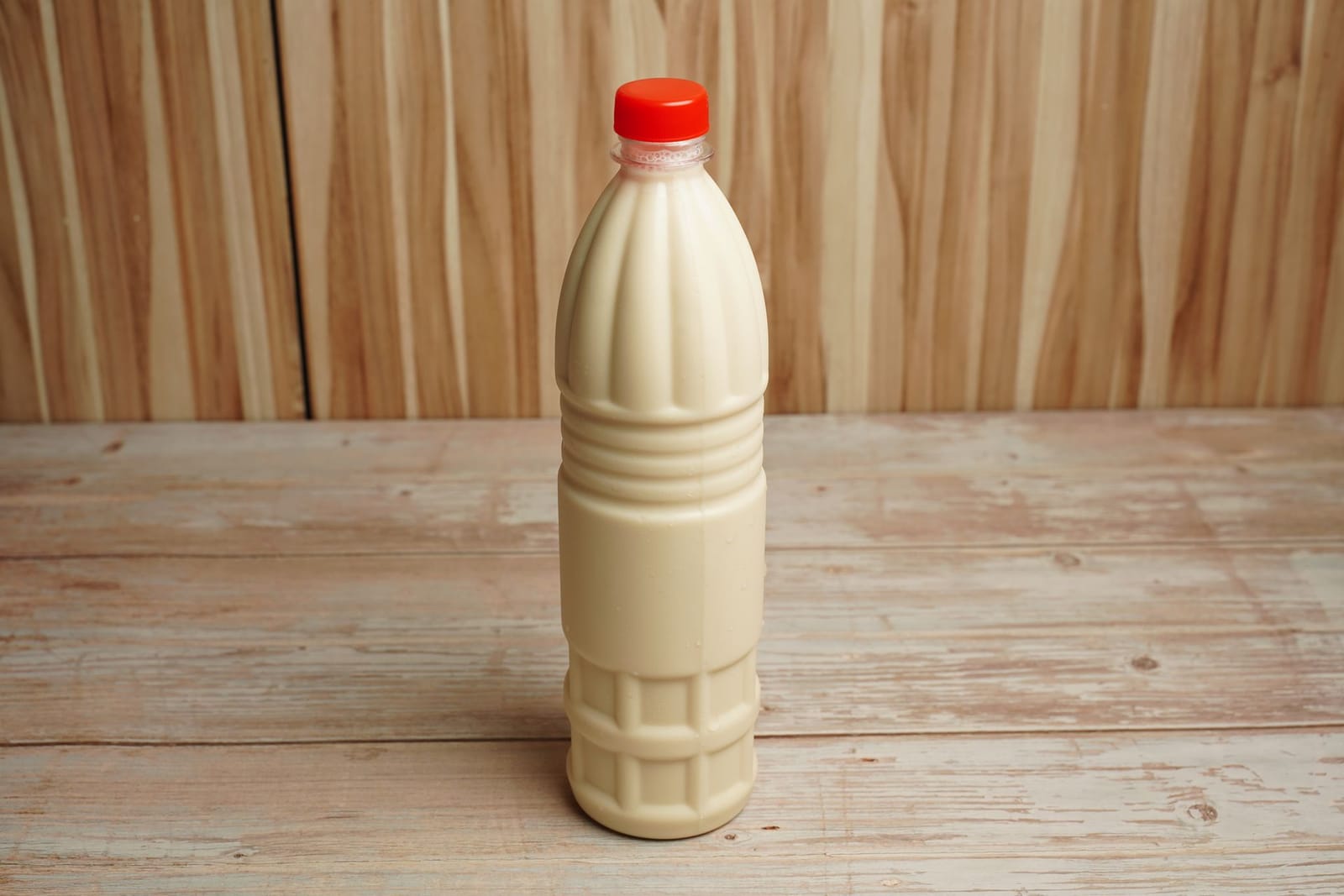
A deposit on dairy bottles and juice bottles made of plastic, up to three litres, is coming to the Netherlands. Verpact, the body that represents the packaging industry, announced on Tuesday 24 November that the system must work from 1 January 2028 and that a phased introduction will start during 2027, NOS and FoodPersonality reported.
According to Verpact CEO Hester Klein Lankhorst, minister Stientje van Veldhoven of Climate and Green Growth set that start date. “Until now there was no deposit obligation for this category of plastic drinks bottles,” Klein Lankhorst told FoodPersonality. She told Pack Online that consumers will start to notice something of it in the course of next year.
It is a sizeable expansion. Around 4.5 billion deposit packages are currently put on the Dutch market every year, FoodPersonality writes, and the juice and dairy bottles are expected to add some 200 million a year. Labels, return machines, IT systems and logistics all need to be adapted, Pack Online reports.
Until now there was no deposit obligation for this category of plastic drinks bottles.
Why a deposit on dairy bottles is coming after all
The minister wants 90 per cent of all plastic bottles on the market to be collectable by 1 January 2028. Without a deposit on juice and dairy bottles that target cannot be met, NOS writes. The Netherlands is also preparing for the European obligation to collect 90 per cent of plastic drinks bottles separately from 1 January 2029, according to Pack Online.
A deposit on small plastic bottles has existed since 2021, and on cans since 1 April 2023. In early September the Dutch cabinet already presented plans to make the system more accessible: larger shops will have to take back bottles and cans, while small shops get an exemption, according to the government website Rijksoverheid.nl.
Not everyone is happy. CBL, the trade association for supermarkets, has “serious concerns” about taking back dairy packaging, FoodPersonality reports. It does not want those bottles collected through supermarkets, because research by Eurofins suggests that could lead to bad smells and pests.
What hospitality does not know yet
For coffee bars and lunch spots that buy milk and juice in plastic bottles, it remains unclear for now what the scheme will mean in practice. Coverage from Verpact, NOS and the trade press says nothing yet about hospitality, and the deposit amount has not been set either. If you want to see which places put the most milk through the steam wand, start with our list of the best coffee bars in Amsterdam.
Verpact is preparing the rollout together with all parties involved, with care, feasibility and hygiene as guiding principles. From 1 January 2028, the new deposit must work across the Netherlands.
Sources
- NOS, Industrie komt met statiegeldregeling voor grote sap- en melkflessen ·
- FoodPersonality, Vanaf 2027 ook statiegeld op grote plastic sap- en zuivelflessen ·
- Pack Online, Plastic drankflessen krijgen statiegeld om 90%-norm te halen ·
- Rijksoverheid, Kabinet stelt makkelijker statiegeldsysteem voor ·