Maharashtra drought threatens India's soybean and cotton crop
Drought has been declared across 74% of Maharashtra's talukas, and the state is racing to finish crop-damage assessments before Diwali relief payments go out.
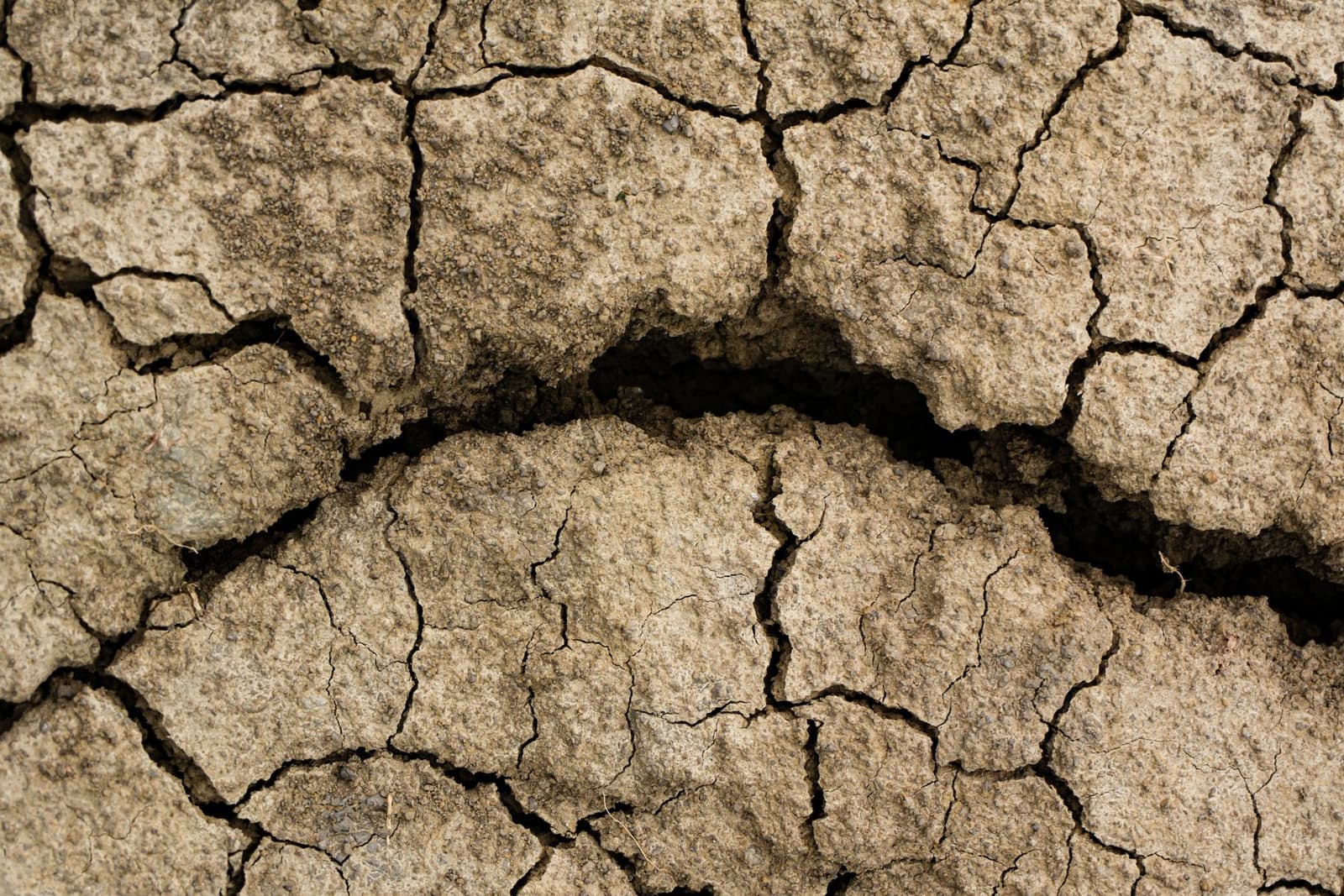
Drought has been declared across 265 of Maharashtra's 358 talukas, and the Indian state is racing to finish crop-damage assessments on its soybean, cotton and pulses harvest before Diwali in mid-November.
The state government made the declaration on 26 September 2026, after a monsoon-season rainfall deficit of 18-19% across Maharashtra, with some districts, including Dharashiv, Amravati, Solapur and Latur, recording deficits of up to 50%. The order covers 74% of the state's talukas under "Trigger-1" of India's Drought Management Code.
The Maharashtra soybean drought has hit Latur, Beed and Dharashiv hardest, destroying much of the region's dominant kharif crop alongside cotton, tur, moong and urad. Agriculture officials now estimate kharif-season yields could fall by more than 40% across the worst-affected zones.
A rainfall deficit on paper becomes a soybean shortage on the shelf.
Field visits before the Diwali deadline
Revenue minister Chandrashekhar Bawankule, who chairs the state's drought-relief sub-committee, inspected damage in Rantham village, Buldhana district, on 5 October 2026, directing local officials to complete "accurate and transparent" panchnamas, the formal field assessments that determine how much compensation each farmer receives. A further 15-18 talukas that missed the initial threshold are being added through a second round of crop-cutting data.
District teams are geotagging damaged fields and recording farmers' bank and identity details through October, with the government's stated target of finishing assessments and releasing payments before Diwali, on 8 November 2026. Deputy chief minister Eknath Shinde has already met prime minister Narendra Modi in Delhi to ask for central government support.
What the relief package covers
The package includes waivers on land revenue and farm-loan recovery, deferred agricultural power bills, drinking-water tankers, fodder camps and expanded rural work guarantees. None of it changes the scale of the shortfall: soybean is Maharashtra's single largest kharif crop by area, and a 40% yield drop in its main growing belt will show up in domestic prices well before the next harvest.
The dry spell echoes other harvests squeezed by heat and erratic rain this year, from India's pulses belt to France's chestnut groves. It also lands as a test of supply for Indian kitchens that, as chef Meherwan Irani has argued, depend as much on humble, everyday crops as on marquee spices.