Meherwan Irani on why street food is India's best
The Chai Pani chef discusses his new cookbook, No. 1 Best Indian Cookbook in the World, and his decision to leave naan out of it entirely this time.
Chef Meherwan Irani opens his new cookbook with a claim rather than a recipe: "My name is Meherwan Irani, and I'm here to tell you that Indian street food is the best food on the planet."
The book, No. 1 Best Indian Cookbook in the World, written with Jamie Feldmar and published by Ten Speed Press, came out this month. Irani discussed it in an interview published by newsletter Cup of Jo on 23 September 2026.
Irani is the James Beard Award-winning chef behind Chai Pani, the Indian street food restaurant he opened in Asheville, North Carolina, and its sister concept Botiwalla, as well as the spice company Spicewalla. The 288-page book pulls recipes from his family kitchen and from years spent eating his way across India's chaat stalls, sandwich carts and roadside truck stops.
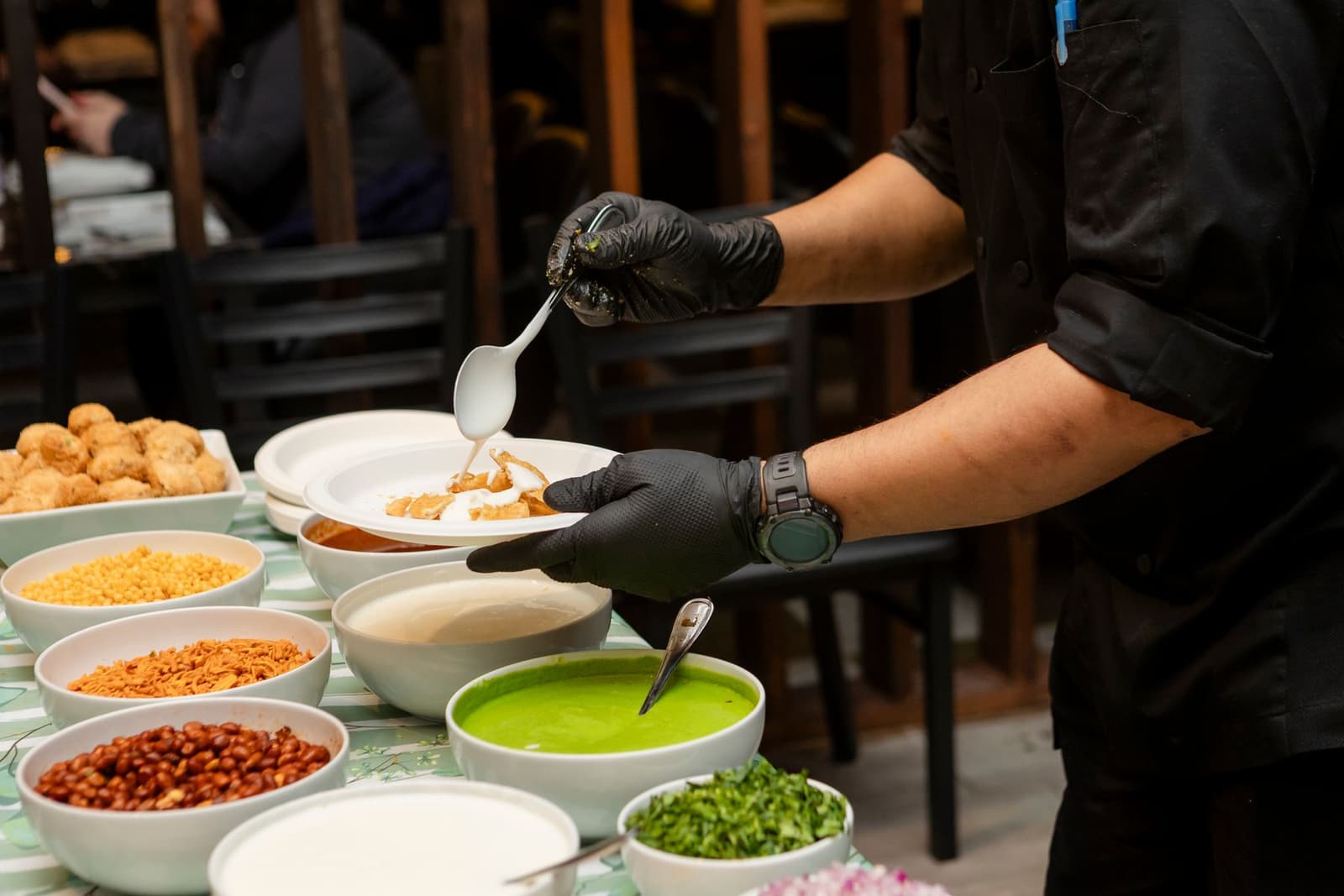
Indian street food is the best food on the planet, and it crosses lines home cooking rarely does.
A book built to skip tradition
Chapters move through chaat, sandwiches, grilled dishes, Indo-Chinese cooking, truck-stop staples, drinks and desserts, interspersed with personal essays on subjects including family recipe gatekeeping and his own decision to leave naan out of the book entirely, arguing the bread has come to stand in for an entire cuisine it barely represents.
The recipes he singled out in the interview run toward the everyday rather than the showpiece: his grandmother's dal, a vegetable pulao and what he calls his mother's quick potatoes, all dishes built for a weeknight rather than a dinner party.
Irani's central argument is that Indian food is not a fixed, ancient tradition to be preserved intact but a living cuisine that keeps absorbing new ingredients and shortcuts, street food chief among them for how it crosses regional and religious lines that formal, home-style cooking often does not.
Street food as the common language
That framing puts street vendors, not temple kitchens or royal courts, at the centre of what Irani calls India's most democratic cuisine, one cooked and eaten across class lines on the same corner of the same street.
The book arrives as Indian restaurants in the United States increasingly move away from a single national menu of familiar curries toward regional and street-food-specific formats, a shift Chai Pani helped popularise when it opened in 2009.
No UK or European edition has been announced. Other kitchens are pushing the same regional turn: in India itself, Kikli in Gurugram opened this year built entirely around Punjab's lost recipes, a sign the shift Irani describes is not confined to the diaspora.