Xylella fastidiosa reaches Calabria's olive belt
Seven infected olive trees near Taurianova mark the bacterium's first confirmed foothold in Calabria, reviving Puglia's decade-old fight to save its groves.
Xylella fastidiosa has reached Calabria. Seven olive trees tested positive for the bacterium near Taurianova in early September, the first confirmed case of the disease outside its old stronghold in Puglia.
Inspectors found the infection in Contrada Olivetella, on the Gioia Tauro plain in Reggio Calabria province: one tree in a private courtyard, six more on an adjoining plot. Calabria's agriculture department declared a delimited area on 1 September, soon extended to the neighbouring municipalities of Cittanova and Terranova Sappo Minulio.
Xylella fastidiosa moves south from Puglia
Puglia buried its olive groves to learn this lesson; Calabria is reading from page one.
The strain is Xylella fastidiosa subspecies pauca, the same one that has killed olive trees across Puglia's Salento peninsula since 2013. Under EU quarantine rules, authorities set an 80-metre eradication radius around each infected plant and a 2.5-kilometre buffer zone for monitoring, modelled directly on Puglia's containment playbook.
“We would never have imagined such an attack from the south,” said Gianluca Gallo, Calabria's regional councillor for agriculture. “At most, we feared the spread of the bacterium from the north, near Cosenza.” Officials timed the work to summer, when the insect vectors are least active.
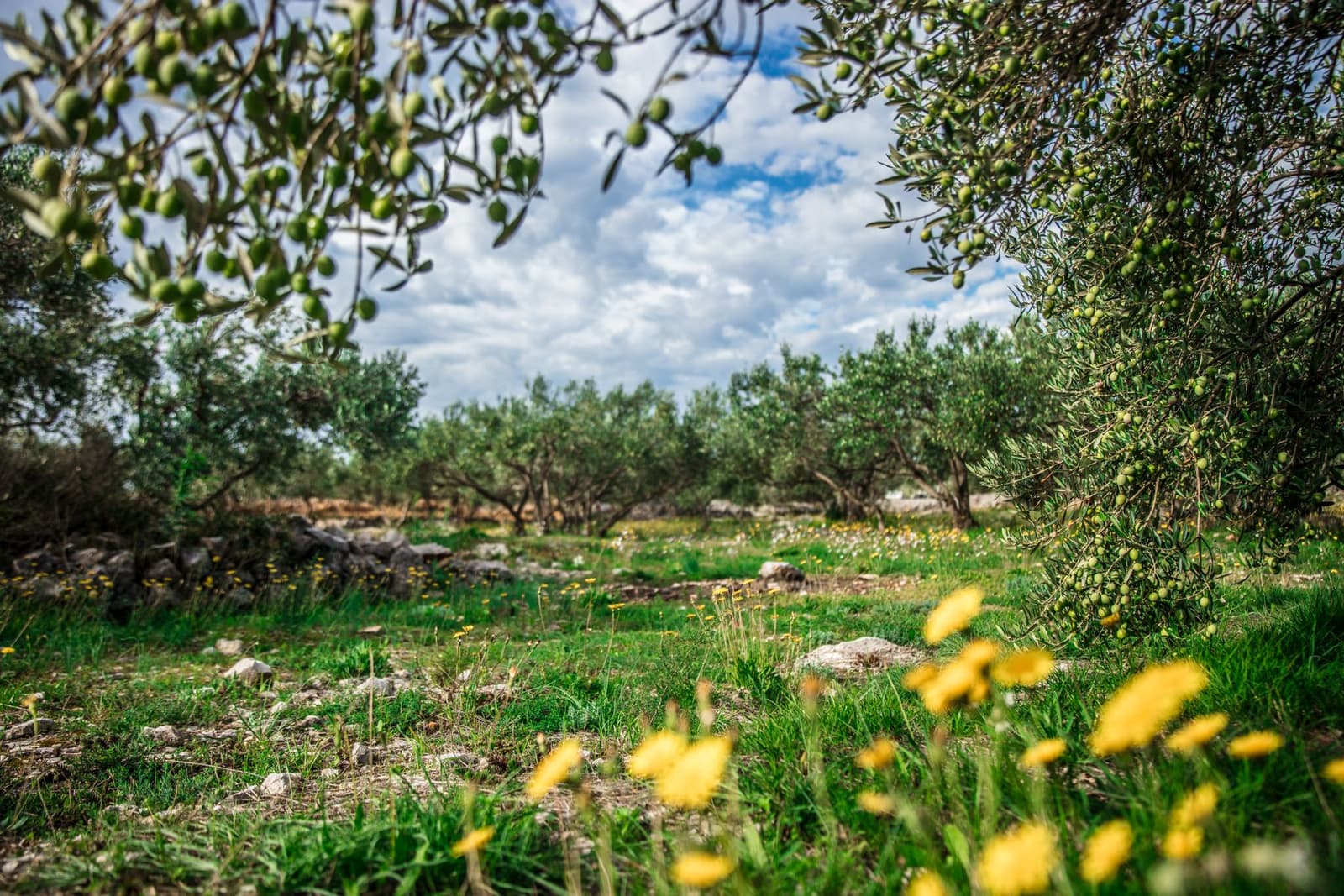
Calabria has 183,000 hectares under olive cultivation; the Gioia Tauro area alone produces roughly 11 million litres of oil a year.
Puglia's resistant groves offer a template
Puglia offers the closest comparison, and not a comforting one. Xylella fastidiosa pauca has killed millions of olive trees there since 2013, with losses running into the billions of euros. Growers in the worst-hit Salento area spent a decade replanting with resistant cultivars such as Leccino and FS-17, grafted or planted fresh onto infected land.
That bet is starting to pay off. Italian olive oil output data from Coldiretti show this harvest up by as much as 60% in parts of Lecce province, even as conventional orchards elsewhere in Puglia post declines of 30 to 40%.
Franco Aceto, Coldiretti's regional president in Calabria, framed the stakes in market terms as much as botanical ones. “We must prevent the worst from happening, namely that Xylella brings our olive oil businesses to their knees,” he said, noting that more than 16,000 tonnes of olives already sit unsold at local mills because prices do not cover harvesting costs.
Francesco Chiellino, the region's director for competitiveness, pointed to a problem that predates the outbreak: Spain sets the international price, with California's share growing. “We have an advantage: history, quality and tradition,” he said, arguing Calabria needs to sell that story harder, not just defend its trees. Rome has also asked Brussels to activate an olive oil reserve fund nationally.
The bacterium was also confirmed this year near Menton, on France's Mediterranean coast — a reminder it travels by insect, not by border control.