Philippines rice imports shift to broken grains
Manila's ban on premium 5% broken rice is pushing importers toward lower grades, just as China's feed mills compete for the same broken kernels.
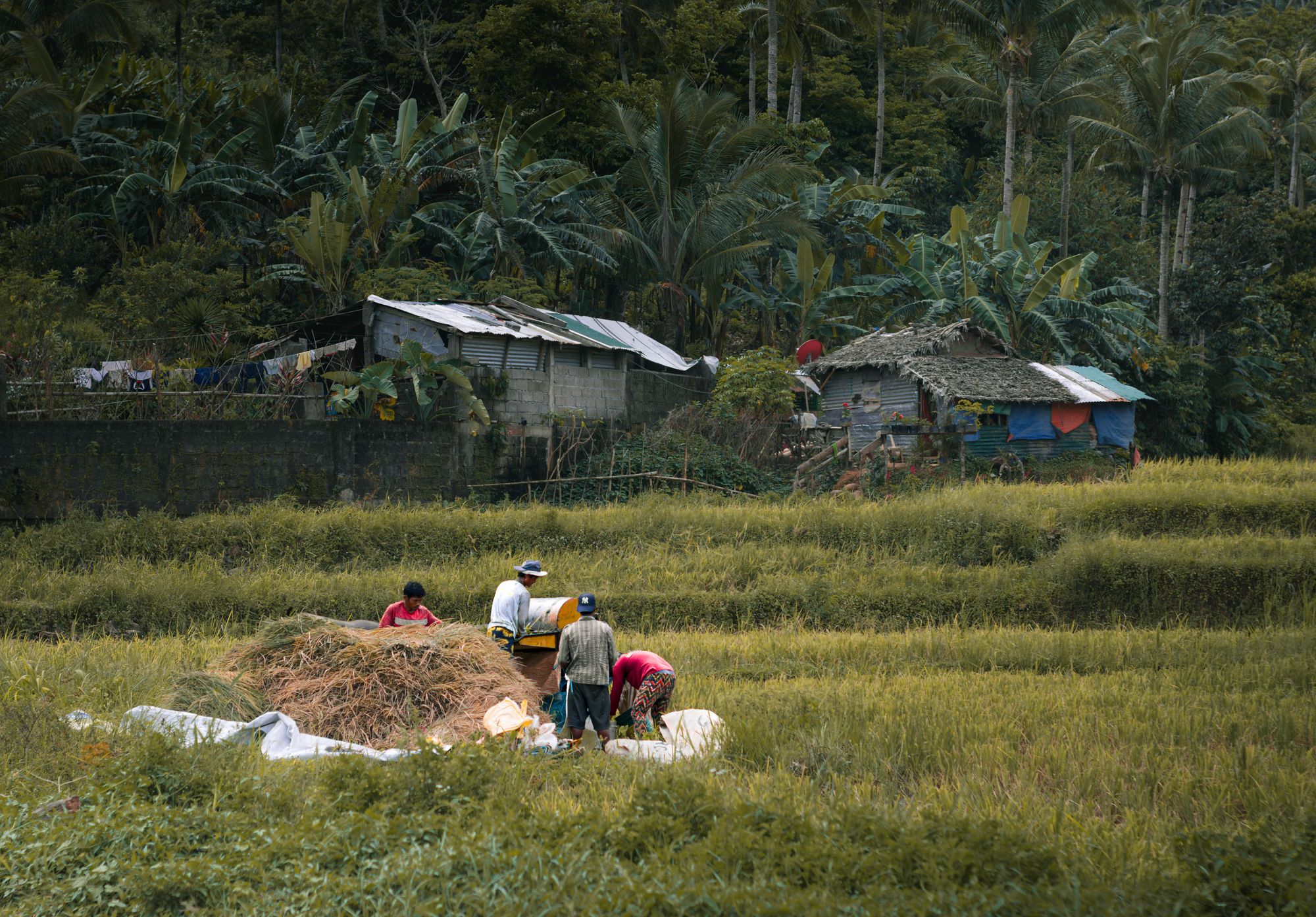
Philippines rice imports are tilting toward cheaper, more broken grain after Manila closed the door on premium 5% broken rice, according to the US Department of Agriculture's September market report, covered by The Philippine Star on 14 September.
The rule is simple. Rice is traded by the share of broken kernels in a shipment, and 5% broken is the polished grade that had become the most commonly consumed imported variety in the country. Since July, the Department of Agriculture has paused import clearances for it. Lots with a higher share of broken grains still get in.
Why Manila barred premium grain
Protecting farmers by importing worse rice only works if the harvest actually sells.
Agriculture Secretary Francisco Tiu Laurel Jr. announced the measure in early July, and importers and traders agreed to it in principle. The target is the harvest that runs from mid-September into October. In the same window last year, farmgate prices for palay, unmilled rice, fell to 8 to 12 pesos a kilo, below the cost of growing it.
His argument was blunt: imported rice wins on quality, so imports must be of lower quality. "We need to import lesser quality rice for our local rice to have a fighting chance," he said, as quoted by GMA News. The Tariff Commission is separately investigating safeguard measures on rice imports at the department's request.
The USDA calls the Philippines the world's largest rice importer and expects the policy to push buyers toward higher-percentage broken rice. Vietnam remains the leading supplier, with Burma, Thailand and Pakistan more recent sources. "These exporters are likely to adjust to the higher inclusion of broken rice in shipments to the Philippines," the report said.
Philippines rice imports meet Chinese feed demand
The timing is awkward. Broken rice, a by-product of milling, is also what China's feed sector wants. The USDA forecasts Chinese rice imports at 4.3 million tons in 2026. In the first seven months of the year China bought nearly 1.4 million tons of broken rice, the most since the 2022 record. India has overtaken Burma as its main supplier, and in July raised the rates for broken rice used in ethanol, keeping more grain at home.
The squeeze is reaching the traditional buyers of cheap brokens. Senegal's broken rice imports fell 35% in the first half of 2026, the USDA said, as India prioritises China and Thai brokens remain the least competitive amid El Niño uncertainty. Prices are ticking up.
The test for Manila comes at the farm gate, not the port: the harvest is sold through October, and the benchmark is last year's 8 pesos. Like olive oil prices ahead of Spain's new crop, the story will be settled in the fields.
Sources
- The Philippine Star · 2026-09-14
- USDA Foreign Agricultural Service, Grain: World Markets and Trade (September 2026) · 2026-09-11
- GMA News · 2026-07-02
- The Philippine Star · 2026-07-03