Pepernoten recipe: chewy Dutch anise nuts made with rye
The real pepernoot is not a crunchy kruidnoot but a chewy little cube of rye flour, honey and anise. Here is how to bake them at home, inspired by the old-fashioned pepernoten from Holtkamp in Amsterdam.
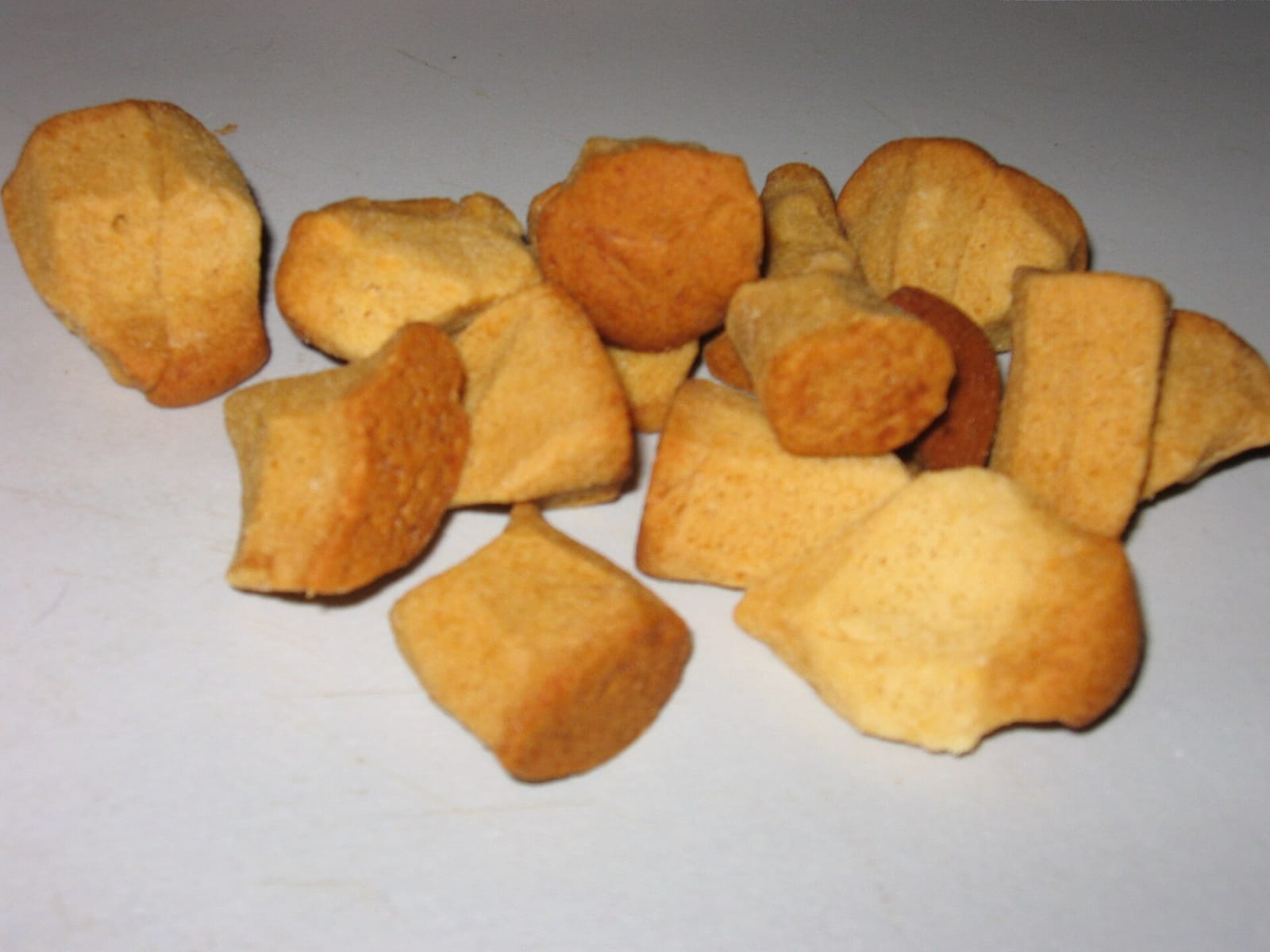
This pepernoten recipe gives you the pepernoot as it used to be: not a crunchy biscuit with speculaas spices, but a chewy, pale little cube of rye flour, honey and anise. The dough is the same one used for taaitaai, and the secret is patience: it needs to rest for at least a day.
In Amsterdam you can find that old-fashioned pepernoot this season at Patisserie Holtkamp, Vijzelgracht 15. The patisserie's Sinterklaas webshop lists its pepernoten, described as old-fashioned pepernoten made from taai taai, at € 8.95 for a 300-gram bag, separately from the kruidnoot that is also in the range. The shop is open Monday to Friday from 8.30am to 6pm and on Saturday from 8.30am to 5pm. For more addresses for good bread and pastry, see our list of the best bakeries in Amsterdam.
According to Wikipedia, pepernoten are made from rye flour, honey and anise; the distinction from the kruidnoot only arose in the 1970s. Master baker Robèrt van Beckhoven uses a single dough for taaitaai and real pepernoten and lets it rest for at least 24 hours. Holtkamp's own recipe is not public, so this is our own version, with the reason behind every step.
A real pepernoot is chewy, not crunchy: that comes from rye flour, honey and a dough that is allowed to rest for at least a day.
Ingredients
- 250 g rye flour, sifted
- 125 g runny honey
- 50 g dark brown soft sugar
- 75 ml water
- a pinch of salt
- 8 g ground anise (about 1 tablespoon)
- 2 g speculaas spice mix (about 1 teaspoon)
- 5 g bicarbonate of soda (1 teaspoon)
- 2 tablespoons milk
Method
- Warm the water, honey and brown sugar in a small pan until the sugar has dissolved. Do not let it boil: water evaporates and the dough will end up too stiff.
- Mix the sifted rye flour with the salt and pour in the warm honey mixture. Stir with a sturdy spoon into a sticky dough. The warm liquid partly gelatinises the starch in the rye, and that is what gives the chewy bite later. Long kneading is pointless: rye forms hardly any gluten.
- Wrap the dough in cling film and leave it at room temperature for at least 24 hours; two or three days is fine too. Rye flour absorbs moisture very slowly. After resting, the dough is firmer, less sticky and the honey has released its flavour.
- Dissolve the bicarbonate of soda in 1 tablespoon of milk and knead it into the dough together with the anise and speculaas spices. The raising agent goes in only now, so it does not lose its power during the rest. Dissolved, it spreads evenly and you avoid bitter spots.
- Preheat the oven to 170 °C. Roll the dough out on a work surface lightly dusted with rye flour to one and a half centimetres thick and cut it into cubes of one and a half centimetres. Cubes of the same size are done at the same time.
- Place the cubes two centimetres apart on a baking tray lined with baking paper and brush them thinly with the remaining milk. They puff up in the oven and need room; the milk gives a soft sheen.
- Bake the pepernoten for 12 to 15 minutes in the middle of the oven, until light golden and still giving slightly when pressed. Honey and rye colour quickly; bake them too long and they turn hard instead of chewy.
- Leave them to cool on a rack and store them in an airtight tin. After a day they are chewier than straight from the oven, because the honey holds on to moisture and it spreads through the biscuit.
Tip: pepernoot or kruidnoot?
If you want a crunchy, round biscuit with cinnamon, cloves and nutmeg, what you are really after is a kruidnoot. That needs butter and wheat flour; follow our kruidnoten recipe instead. In this real pepernoot, anise is the main flavour and the speculaas spices stay in the background. You can also cut taaitaai figures from the same dough: roll it out one centimetre thick and bake a few minutes longer.
Frequently asked questions about this pepernoten recipe
Is there pepper in pepernoten? Usually not. According to Wikipedia, pepernoten by no means always contain pepper; one possible explanation is that pepper used to be a catch-all word for spices. If you like, add a pinch of ground white pepper.
Can I use wheat flour instead of rye? You can, but they will turn out more crumbly than chewy. Rye flour holds on to more moisture and creates the typical chewy texture of this pepernoten recipe.
How long do homemade pepernoten keep? In an airtight tin they stay good for at least two weeks. If they do get too hard, put a slice of apple in the tin: after a night they are soft again.
Sources
- Patisserie Holtkamp — webshop, Sinterklaas: Pepernoten ('ouderwetse pepernoten van taai taai', 300 gram, € 8,95) en Kruidnoot; winkel Vijzelgracht 15 ·
- Wikipedia — Pepernoot (roggebloem, honing en anijs; onderscheid met kruidnoot sinds de jaren zeventig; vroegste vermelding 1640) ·
- MAX Vandaag — Taaitaai en echte pepernoten van Robèrt van Beckhoven ·
- Omroep Brabant — Het geheim van de bakker onthuld: zo maak je heerlijke pepernoten ·