Élan opens today as a new bistro in De Pijp
The team behind Roux takes over the Frans Halsstraat corner site with larger portions, lower prices and about 120 seats.
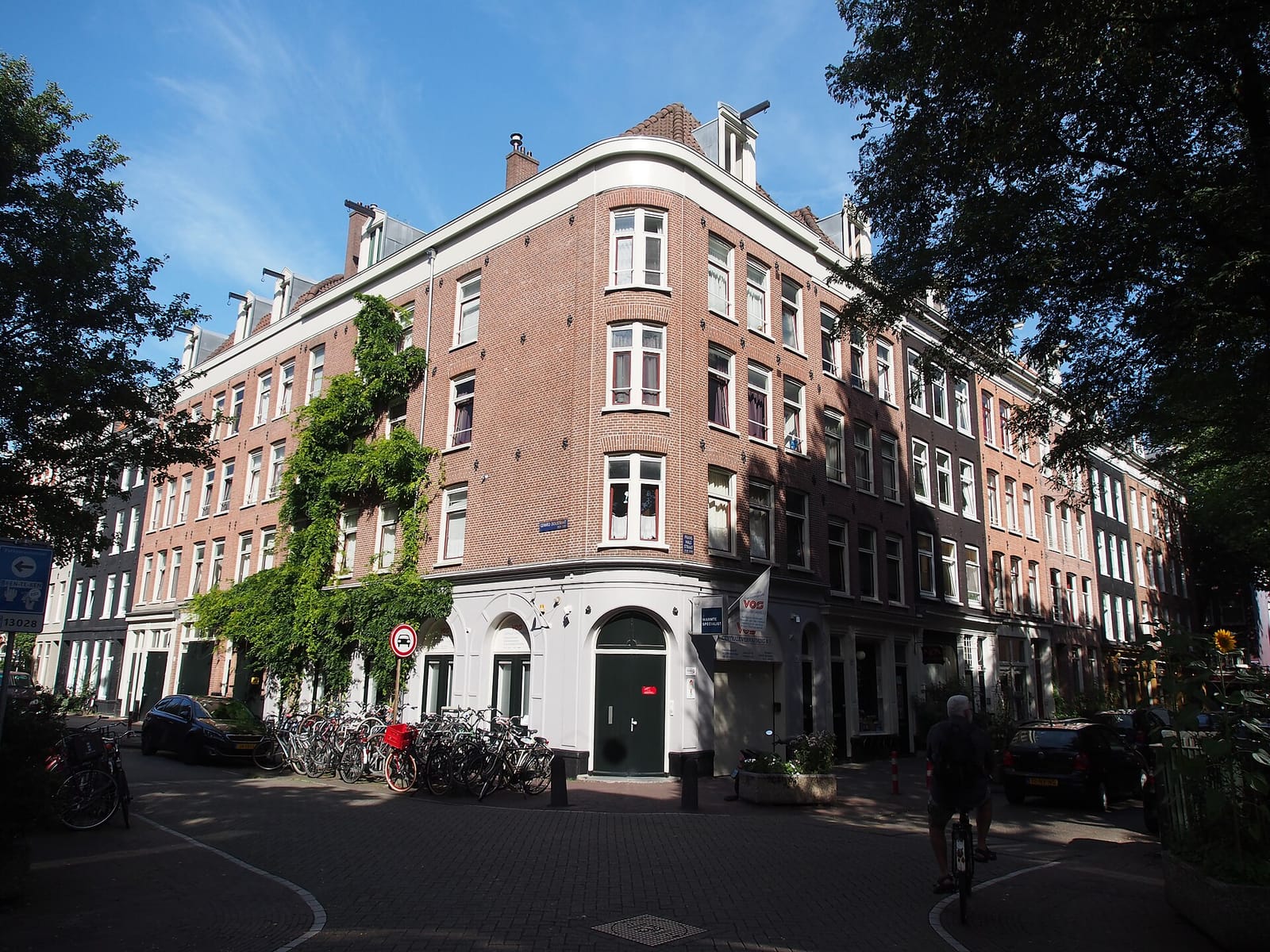
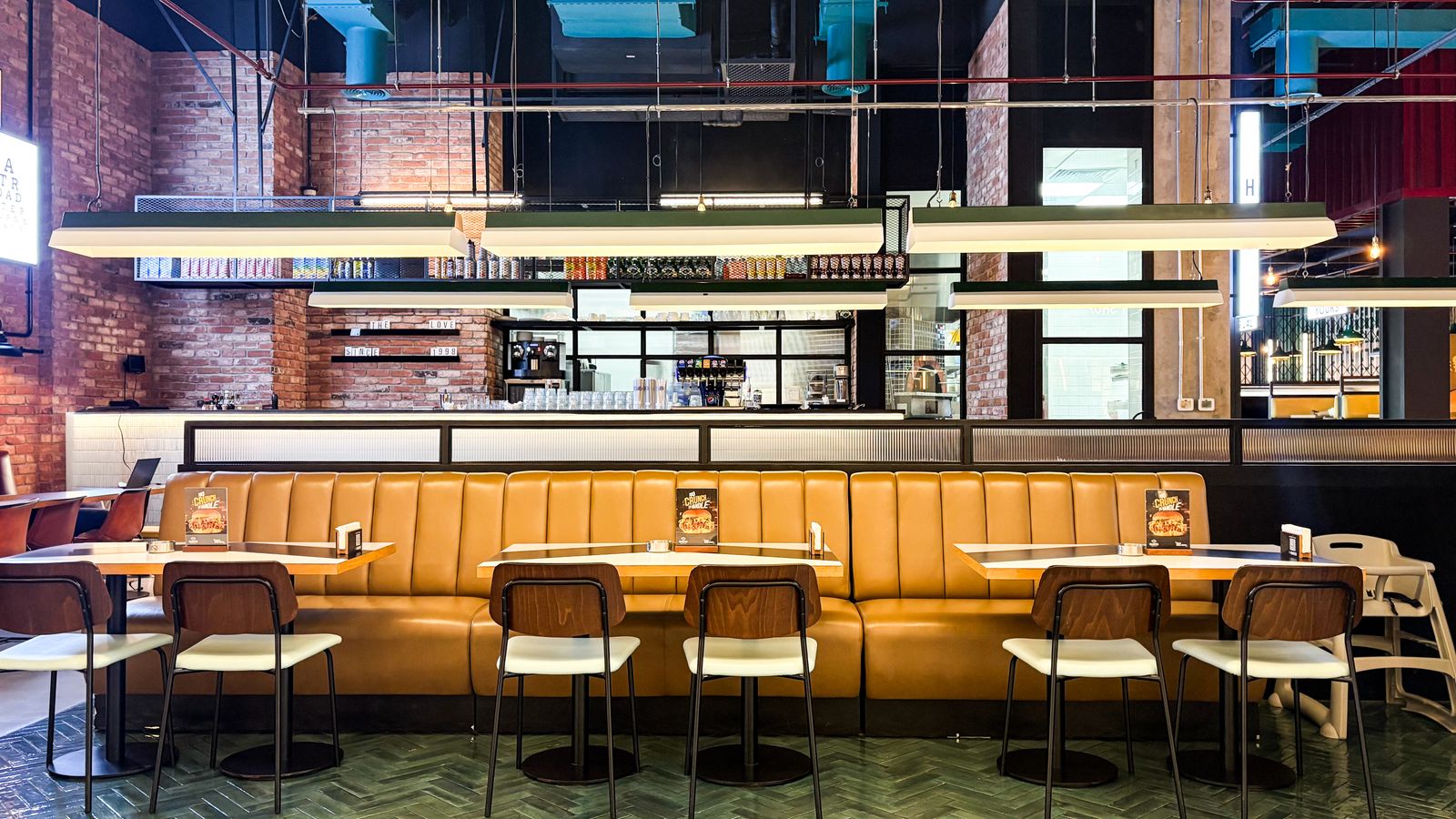
Élan Amsterdam opens on 12 November at Frans Halsstraat 76 in De Pijp, bringing the team behind Roux into a room designed for about 120 guests.
Roos Bierhoff and Allon Niesen have taken over the former Maris Piper and Neo Bistro site. Sebastiano Guglielmucci, executive chef at Roux, joins as chef and co-owner. The new restaurant is intended to be less formal than Roux, with larger portions and lower prices.
Several Amsterdam hospitality guides confirm the opening. Verse Uitjes points to the restaurant’s own 30 October announcement, while EatStreet and De Buik give the same date and location. This is no longer a “coming soon” story: service begins today.
Élan Amsterdam builds a broad menu
The working menu combines mussel with leek, XO and sourdough; quail with miso and elderflower; fish with kimchi, brioche and coffee; and a pork T-bone for sharing. A savoury oliebol with currants and Gouda cheese makes the Dutch reference explicit.
EatStreet places starters around €15 and main courses between €25 and €30. That is below a long tasting menu, but De Pijp still offers plenty of alternatives at the price. Accessibility will therefore depend on portion, pace and welcome rather than the adjective in an announcement.
The corner site gets another chance
The address has held several concepts in a short period. A large dining room can feel energetic when full and exposed when quiet. With roughly 120 seats, occupancy matters as much as the first round of reviews.
Élan Amsterdam follows a run of openings that includes Kade Noord beside the IJ. The first weeks will show whether the launch menu settles quickly or whether its visible kitchen notes continue to produce changes.
The owners bring experience from Roux, but Élan has a different problem of scale. More seats require a menu that leaves the kitchen quickly and consistently. Opening week cannot settle that question; repeat visits from De Pijp will show whether the neighbourhood model works.