Colombia's coffee crop falls to its smallest since 2022
Colombia's national coffee output dropped 15% to 12.65 million bags for the 2025-26 season, its smallest crop since 2022-23, while a strong El Niño threatens the harvest still to come.
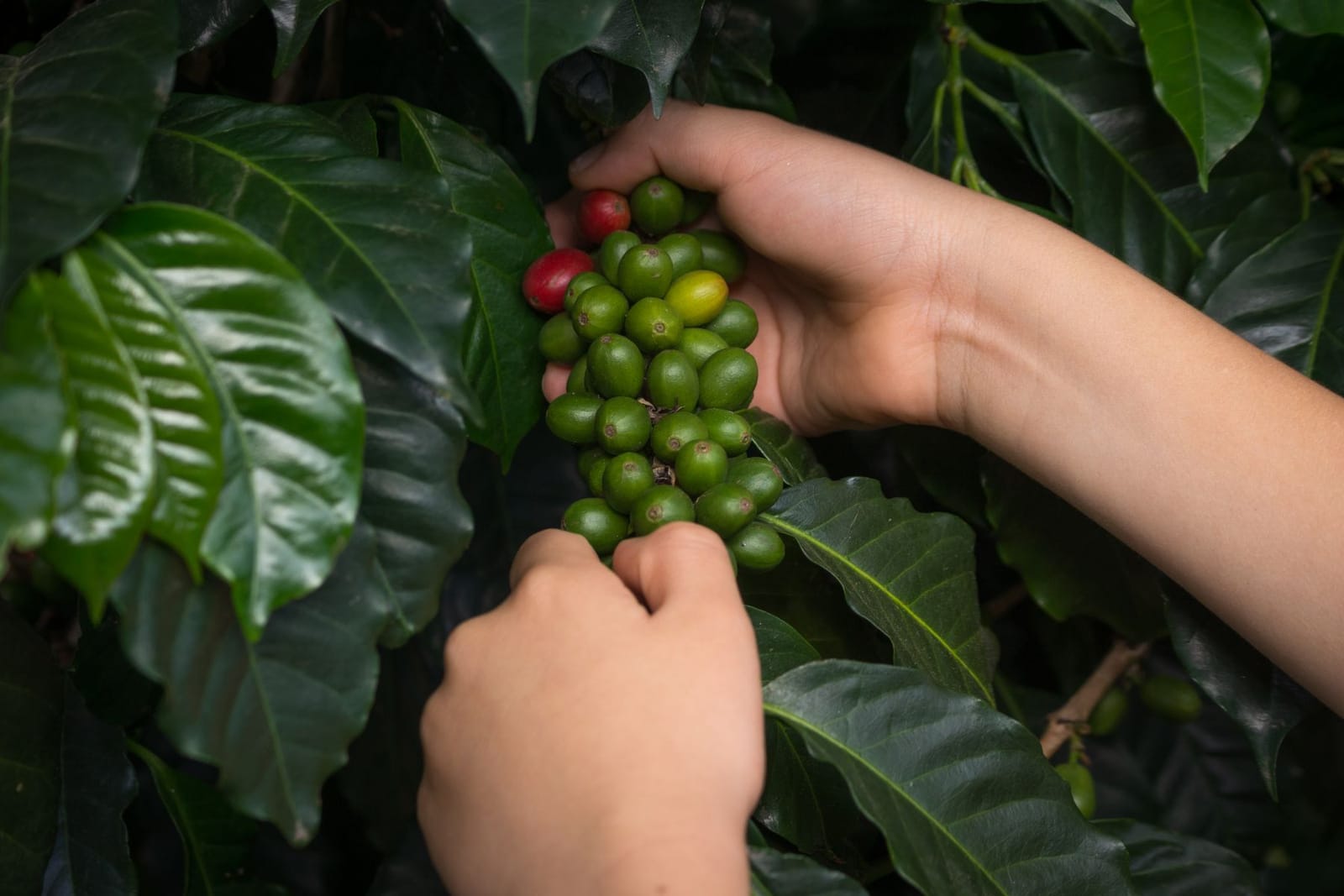
Colombia's coffee crop closed its smallest season since 2022-23, with national output down 15% to 12.65 million 60-kilogram bags for the 2025-26 coffee year, the Federación Nacional de Cafeteros (FNC) reported on 9 October.
The coffee year runs October to September. Growers produced 14.87 million bags in 2024-25; this season's total is the lowest since the roughly 10.6 million bags harvested in 2022-23.
September alone bucked the trend: output reached 1.21 million bags, up 6% on the same month last year. But growth that late in the year wasn't enough to offset a season of losses, with the first nine months of 2026 running about 10% behind the same period in 2025.
A smaller crop and a cheaper bean: Colombia's coffee math isn't adding up the way growers hoped.
Exports fell in step, down 12% to 11.78 million bags for the year. Colombia imported 1.61 million bags to cover domestic demand of about 2.32 million bags.
Colombia's coffee numbers for 2025-26
The United States remains the biggest buyer, taking about 40% of Colombia's exports. From January to August, it bought 2.94 million of the 7.28 million bags shipped, worth roughly $1.2 billion of a $3.05 billion export total.
The slump hasn't hit every region the same way. Traditional departments such as Antioquia, Caldas and Risaralda have seen mid-crop output drop by as much as 30%. Newer producing zones are doing better: Nariño's coffee committee expects output up around 30%, while Huila, the country's largest producing department, and Cauca are also drawing investment as the belt shifts south.
Prices moved the opposite way from what a smaller crop would suggest. The ICO's indicator for Colombian mild arabica fell to 366.96 US cents a pound in September, down from 396.22 in August and 407.09 a year earlier. The federation's base purchase price followed suit, dropping to about 2.07 million pesos (roughly $639) per 125-kilogram load of dried parchment, around 30% below September 2025, a squeeze that has pushed other origins toward side-stream economics, such as Ethiopian mills wringing cellulose out of the parchment husk they used to burn.
El Niño threatens next year's harvest
Ideam, Colombia's weather agency, has confirmed a strong-to-very-strong El Niño is already in place, with an estimated 83% chance it holds that intensity until at least March 2027, its director Andrés Herkrath said. A Deloitte study puts the possible hit to next year's coffee output at anywhere from 0.2% to 14.6% below normal weather, with chief economist Daniel Zaga naming it among the country's main short-term economic risks.
For a federation run by general manager Germán Bahamón, the arithmetic is unforgiving: a smaller crop, cheaper beans, and a weather system that could shrink next year's harvest further, even as the World Barista Championship makes its debut in Panama this year.