Taramasalata recipe: Thessaloniki's pink fish roe dip
A Thessaloniki chef's family recipe turns stale bread, cured roe and lemon into the pink dip that opens a proper Greek meze table.
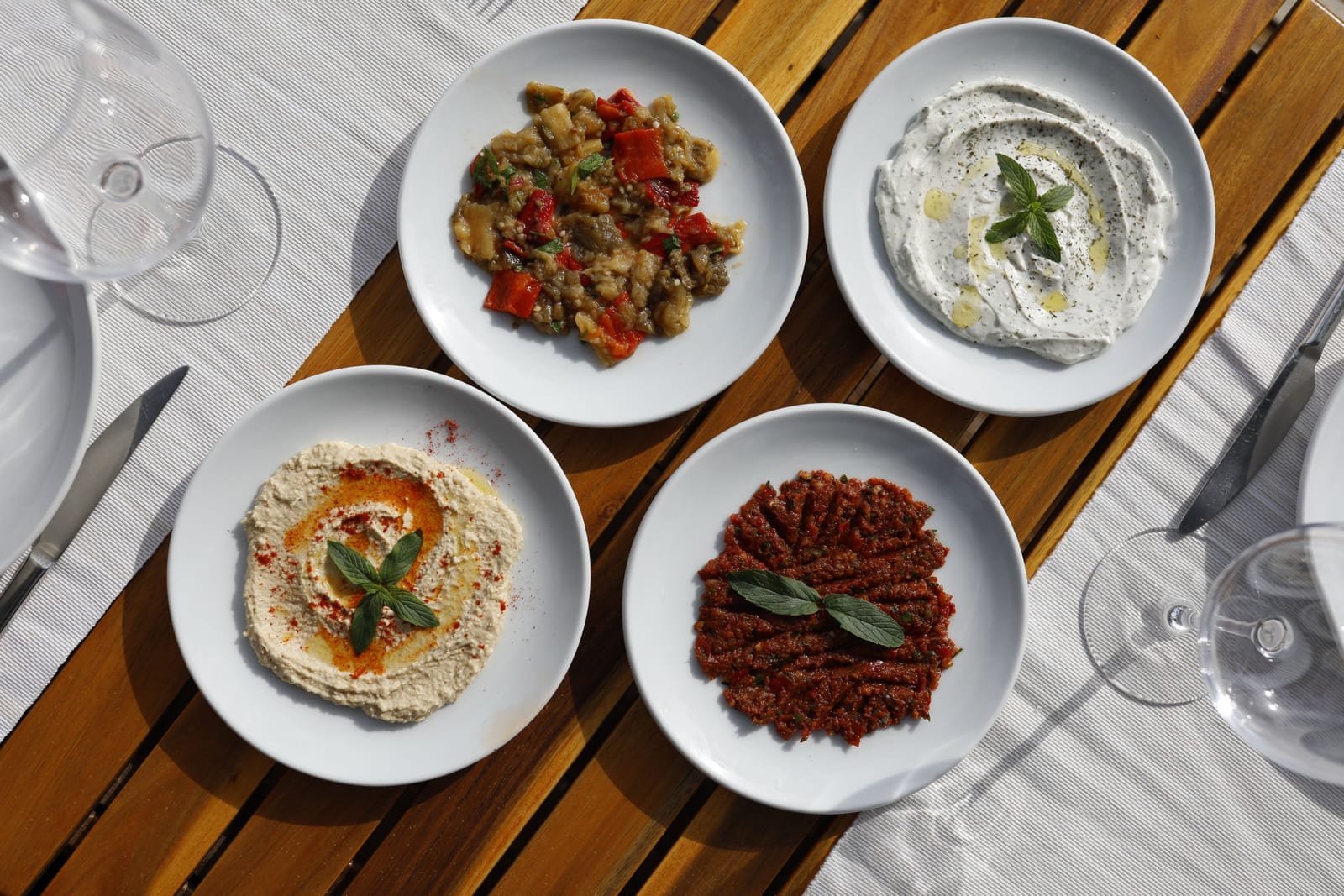
Taramasalata gets its colour from cured fish roe, not food dye, and its lift from day-old bread rather than cream. Thessaloniki-born chef Stergios Zdralis builds his taramasalata on his grandmother Maria's ratio: more bread than roe, so the dip stays light enough to eat by the spoonful.
Zdralis, who now runs the kitchen at The Botany Pier Hotel Bistro in Sydney, grew up watching Maria make it around the holidays, alongside slow-cooked lamb and a New Year's dish of leftovers with leeks and feta. Tarama — the salted, cured roe of carp or cod — is the one ingredient that cannot be substituted; everything else in the bowl exists to carry it without drowning it out.
Taramasalata sits at the start of a Greek meze table, next to a plate of olives and, further down the menu, dishes like moussaka. Its texture should land between hummus and mayonnaise: thick enough to hold a swipe of pita, loose enough to pour.
More bread than roe is the whole trick — it keeps taramasalata light enough to eat by the spoonful.
Ingredients
- 150 g day-old white bread, crusts removed
- 100 g tarama (cured carp or cod roe)
- 200 ml sunflower oil
- 60 ml extra virgin olive oil
- Juice of 1 large lemon, plus more to taste
- 1 small red onion, finely grated
- Lemon zest, to finish
Method
- Tear the bread into a bowl, cover with cold water and leave for 5 minutes, then squeeze out as much liquid as you can by hand. Soaking first, rather than blending the bread dry, is what keeps the dip smooth instead of gritty.
- Blend the squeezed bread with the grated onion and the tarama until the mixture turns pale and almost smooth. Breaking the roe down at this stage, before any oil goes in, stops it turning grainy later.
- With the blender running, add the sunflower oil in a thin, steady stream, then the olive oil the same way. The mixture should thicken and lighten as it goes, the way mayonnaise does once an emulsion forms.
- Add the lemon juice and blend again until the dip is uniform and holds its shape on a spoon. Taste and add more lemon if the roe still tastes flat; the acid is what wakes the dish up.
- Spoon into a shallow bowl, scatter with lemon zest and leave at room temperature for 10 minutes before serving, so the oil doesn't taste cold and separate on the tongue.
Serving taramasalata the Thessaloniki way
Warm pita, raw radishes or just a spoon are enough; the dip is rich enough to need a plain foil. A dry white, cold and unoaked, cuts through the oil better than anything sweeter.
Taramasalata keeps, covered, for up to three days in the fridge — the flavour settles and sharpens overnight, which is why most Greek kitchens make a batch a day ahead on purpose.
Can this taramasalata recipe be made ahead? Yes, and it should be: make it the day before serving so the lemon and onion have time to settle into the oil instead of sitting on top of it.