Nihari recipe: the lamb shank stew on Oorja's menu
Amuse Kitchen's version of the Old Delhi classic now on the menu at Oorja Marylebone, thickened the traditional way with a wheat-flour slurry.
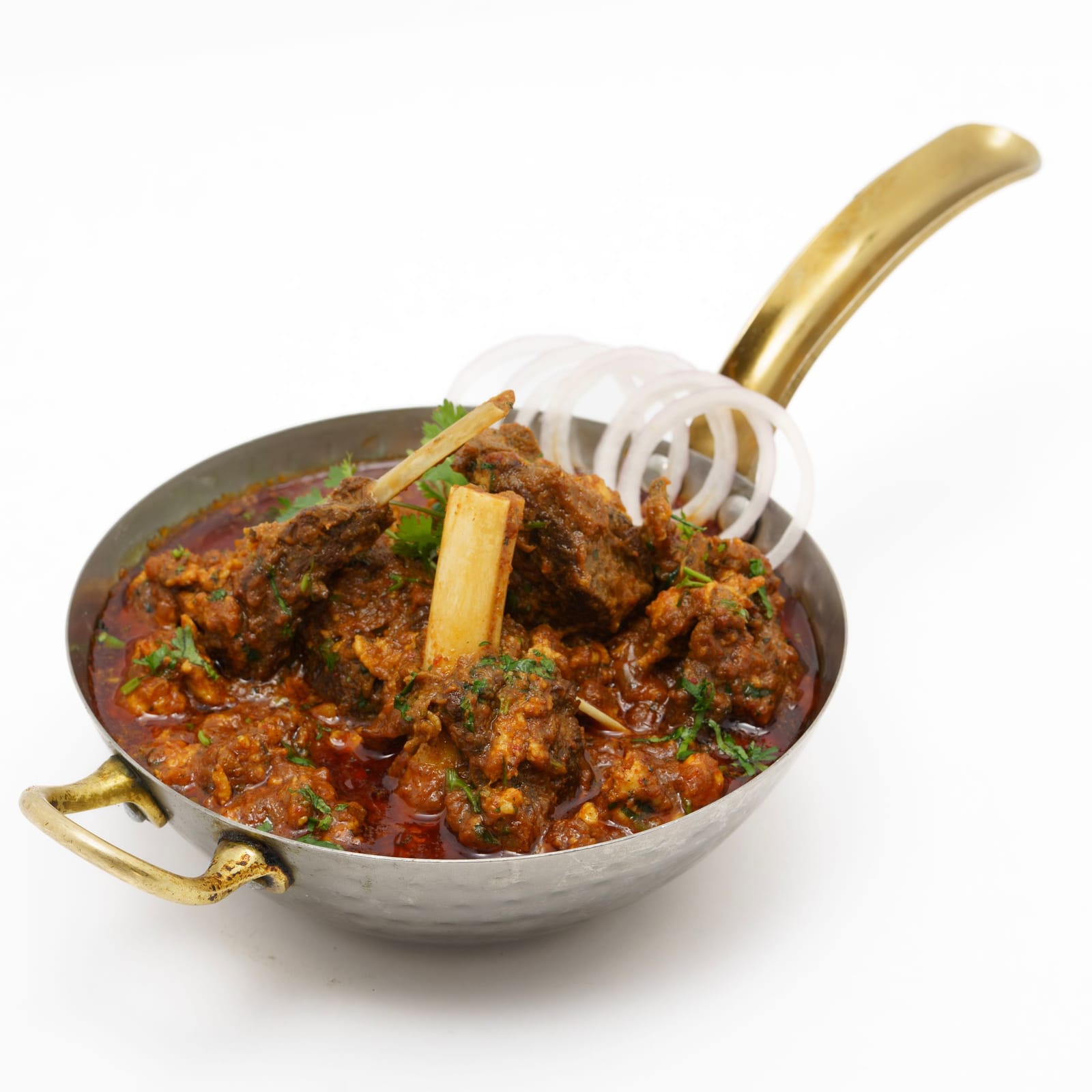
Nihari is a lamb shank cooked low and slow until the meat slides off the bone, the dish Old Delhi workmen ate as breakfast after an overnight braise, and the dish now on the opening menu at Oorja Marylebone.
The technique, more than any single spice, is what makes nihari nihari: a long, gentle braise followed by a whole-wheat flour slurry stirred in at the end, which gives the gravy its particular sheen and body without turning it starchy.
Ingredients
A wheat-flour slurry is what makes nihari nihari
- 4 lamb shanks (about 350 g each)
- 3 tbsp ghee or neutral oil
- 2 onions, thinly sliced
- 1 tbsp ginger paste
- 1 tbsp garlic paste
- 2 tsp Kashmiri chilli powder
- 1 tsp turmeric
- 2 tsp ground coriander
- 1 tsp ground fennel
- 1 tsp garam masala
- 2 bay leaves
- 4 green cardamom pods
- 1 cinnamon stick
- 1.5 litres hot water or lamb stock
- 3 tbsp whole wheat flour (atta)
- Salt, to taste
- To finish: julienned ginger, sliced green chilli, chopped coriander, lemon wedges
Method
- Heat the ghee in a heavy pot and fry the onions until deep golden; this base carries most of the dish's flavour, so don't rush it.
- Add the ginger and garlic paste and cook for a minute, then stir in the chilli powder, turmeric, coriander, fennel, bay leaves, cardamom and cinnamon. Toast for 30 seconds so the spices bloom in the fat rather than taste raw.
- Add the lamb shanks and turn them in the spice paste until coated on all sides.
- Pour in the hot water or stock, bring to a simmer, cover and cook on low heat for 3 to 4 hours, until the meat is ready to fall from the bone. Check the liquid level occasionally and top up with hot water if it reduces too far.
- Skim the oil that rises to the surface and set it aside; it goes back on at the end for shine and flavour.
- Whisk the wheat flour with a cup of the cooled cooking liquid until completely smooth, with no lumps, then stir this slurry into the pot. Simmer for 10 more minutes, stirring now and then, until the gravy thickens; it keeps thickening slightly as it cools, so stop before it looks fully done.
- Season with salt, ladle into bowls, spoon the reserved oil over the top, and finish with ginger, green chilli, coriander and a squeeze of lemon.
Serve it the way Old Delhi does
Nihari was built to be eaten with bread, not rice: tear into it with naan, kulcha or even a soft white roll to catch the gravy. It also reheats better than it cooks fresh, since the meat keeps absorbing the sauce overnight in the fridge.
Can nihari be made a day ahead? Yes, and it usually tastes better: the meat keeps drinking up the sauce overnight, so reheat it gently with a splash of water the next day.
Oorja Marylebone, which opens November 1 with chef Jadhav Tukaram's lamb shank nihari on the menu, serves its version as a main rather than breakfast, which is how most people outside Old Delhi will meet the dish anyway.