Ethiopian researchers turn coffee parchment into cellulose
A team at Addis Ababa Science and Technology University pulls almost 92% pure cellulose out of the husk that mills usually burn or dump.
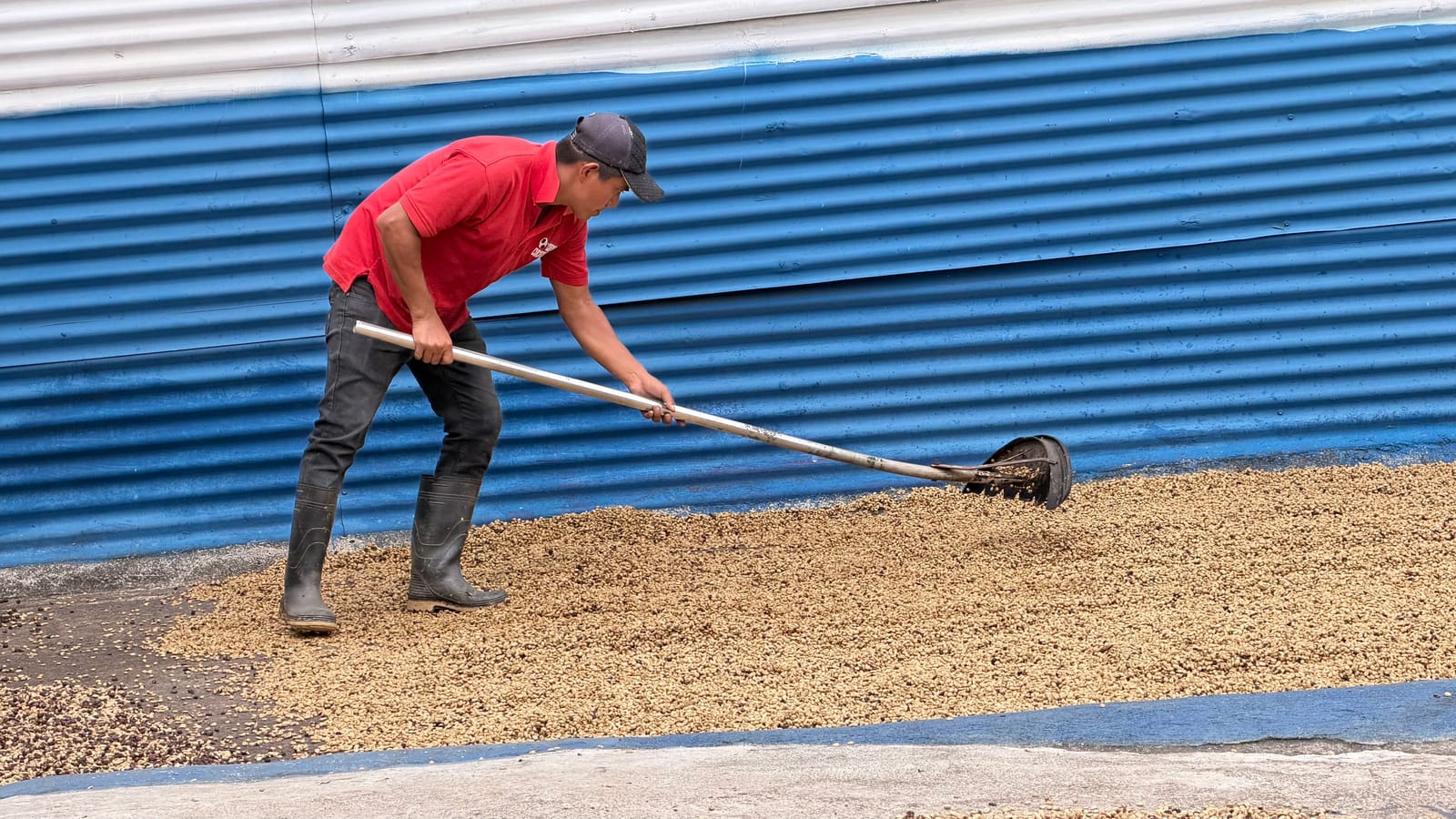
Researchers at Addis Ababa Science and Technology University have found a way to turn coffee parchment, a husk usually burned or dumped, into near-pure cellulose.
Parchment is the papery layer that protects the green bean during processing. Mills strip it off and mostly discard it or burn it for fuel, even though it is naturally rich in cellulose.
The team's method treats the parchment with an alkaline solution, then blasts it with high-intensity ultrasound. The ultrasound causes cavitation, tiny collapsing bubbles that erode the material and let the alkaline solution reach deeper into it, separating cellulose from the lignin that normally shields it. A second, two-stage bleaching step strips out what lignin remains.
Near-pure cellulose from a husk that used to be worth only burning
Cleaner cellulose than the old method
The results beat the conventional process on both measures that matter. Purity came in at almost 92% cellulose, against 83.3% for cellulose pulled out the traditional way. Lignin removal reached 93%, against 72.5% for the older method.
Cleaner cellulose means more uses. The researchers point to paper and cardboard, bioplastics and natural fabrics, plus ingredients for food, cosmetics and pharmaceutical products. The material also performed better in tests for uniform films, coatings and composite materials, the sort of fine, consistent output that packaging and textile makers need.
A side-stream with a weight problem
Parchment has always been coffee's quiet waste problem: too much of it for compost, too little value to ship anywhere. Turning it into an export-grade raw material would change the economics for mills that currently pay to dispose of it or just let it smoulder.
The authors are upfront about the catch. The ultrasound-and-chemical process needs significant energy and chemical inputs, which could limit how far it scales beyond a lab bench. Whether a mill in Ethiopia's coffee belt could run it profitably is the next question, not yet answered.
The study lands as roasters elsewhere push through their own side-stream ideas, among them Blue Bottle's new Bangkok café built around a sculpted paper lantern.