Aged sake named IWC Sake 2026's breakout category
Judges at this year's International Wine Challenge single out aged and sparkling styles as sake's fastest-growing categories, awarding trophies to five breweries.
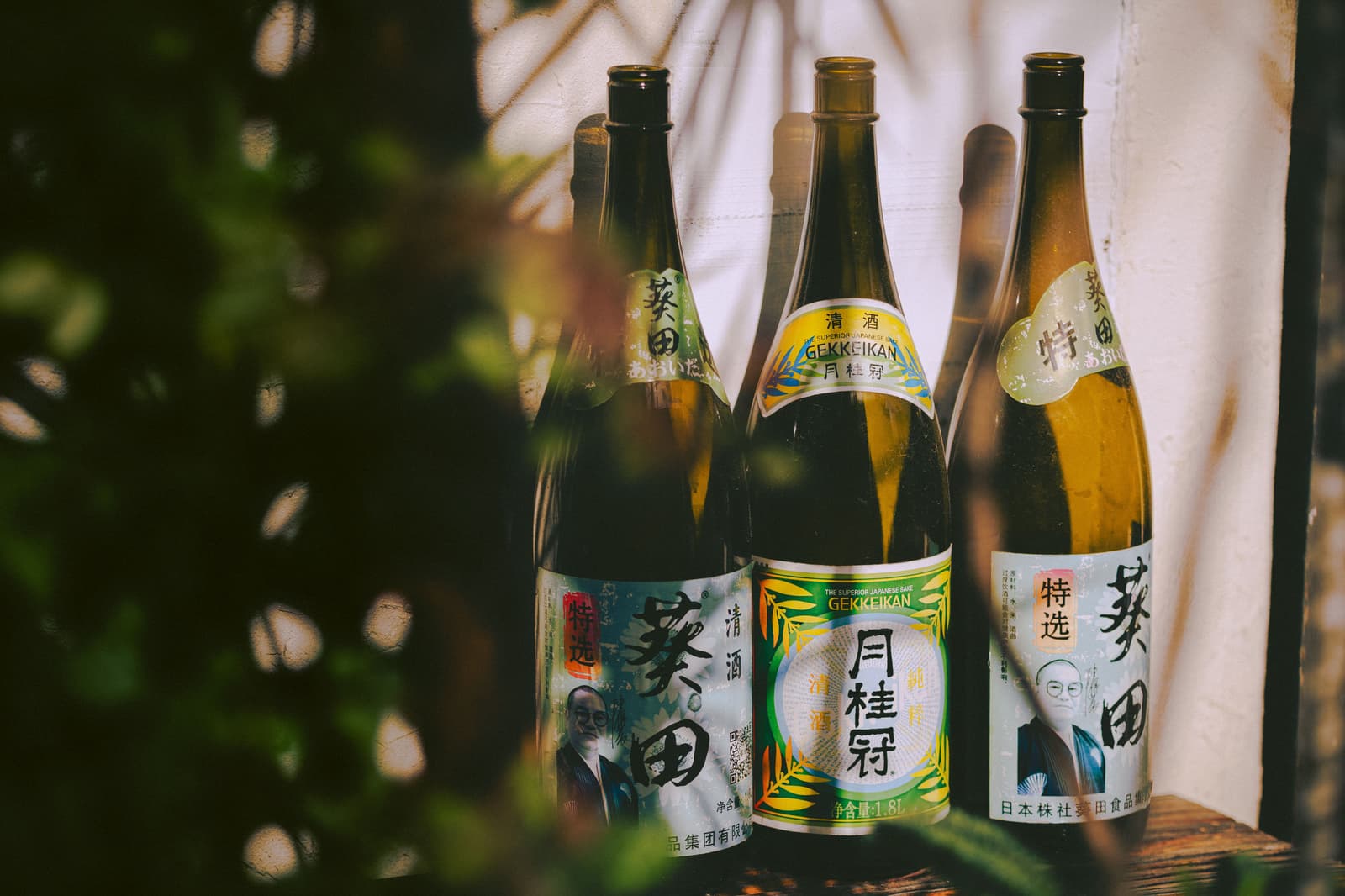
Aged sake was the standout category at this year's International Wine Challenge, with judges awarding the Miyagi Aged Sake Trophy to a bottle held back for six years by Niizawa Sake Brewery.
The IWC Sake 2026 results, published this month, single out koshu-style aged sake as what the judging panel called the category's "story of the year," outperforming its share of entries. Judges said the best examples showed nuttiness, spice, caramelised depth and oxidative complexity closer to sherry or whisky than to the clean, aromatic style that usually wins sake competitions.
The trophy went to Junmai Daiginjo Zankyo Super7, a 2019/2020 vintage from Niizawa Sake Brewery in Miyagi prefecture, which judges praised for combining "extraordinary concentration with freshness and lift" despite years in the tank.
Aged sake used to be an accident of storage. Now it is a decision breweries make on purpose.
Sparkling sake sheds its novelty status
Sparkling sake was the competition's other growth story. Judges reported finer mousse, drier balance and more precision across entries, a shift they linked to producers building the style around food rather than around sweetness aimed at newcomers. The Sparkling Sake Trophy went to Kaika Awa Sake, a 2024/2025 release from Daiichi Sake Brewery, with Born: Premium Sparkling from Katoukichibee Shouten also recognised.
Junmai daiginjo, sake's most polished and expensive grade, still dominates the competition on volume: it made up roughly a third of entries and took the largest share of gold medals. But judges said the breweries that did best this year won across several categories rather than on the strength of one flagship bottle. Shimizu Seizaburo Shoten, Raifuku Sake Brewing, Katoukichibee Shouten, Niizawa Sake Brewery and Yahiko Shuzo were named among the most consistent performers.
A regional map beyond the big names
Regional standouts included Niigata, Fukui and Miyagi alongside less-hyped prefectures such as Mie, Shizuoka, Tochigi, Shimane and Saga, a spread judges said points to quality spreading beyond the handful of regions that usually dominate sake headlines. The result came weeks after a Yamaguchi brewery took the competition's overall Champion Sake title, part of the same wider IWC judging round.
None of it changes what aged and sparkling sake still are: a small slice of total production, sold at a premium few casual drinkers pay. What the results show is where the category's ambition is heading, and it is not toward more of the same clean, cold, aromatic style that built sake's export reputation in the first place.