Card payment mandate: Germany targets cash-only restaurants
Finance minister Lars Klingbeil wants every shop, café and restaurant to offer at least one digital way to pay from 2027. Dehoga says the fees are the real question.
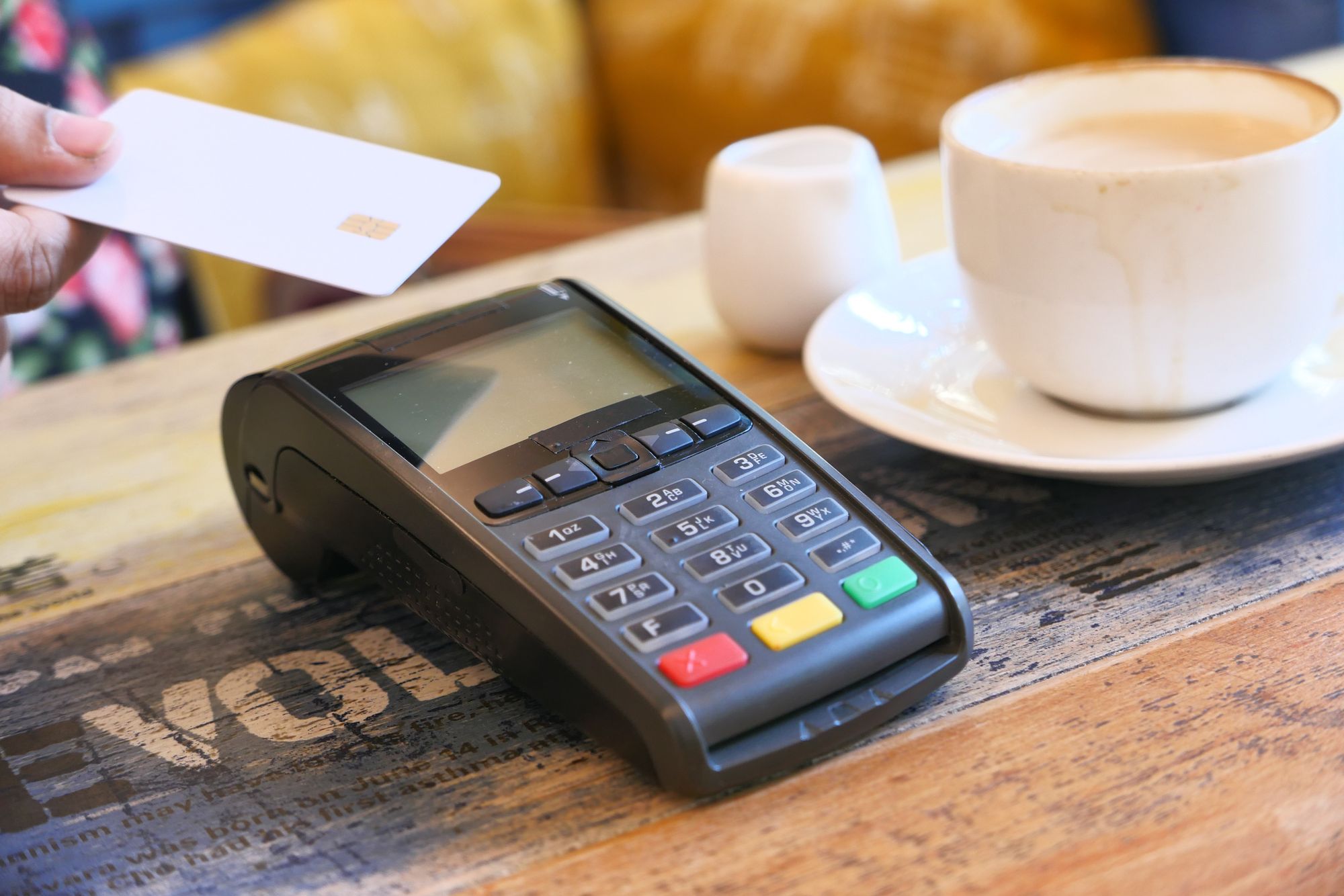
A card payment mandate is coming for Germany's cash-only restaurants: under key points drawn up by Finance Minister Lars Klingbeil, every business where customers pay on the spot must offer at least one digital way to pay from 2027. Cash stays, and must still be accepted.
The plan covers retail, hospitality and services. “We want businesses to offer a digital payment option wherever goods and services are paid for directly on site,” the paper reads, according to the dpa news agency. The key points are being coordinated with other ministries, and the ministry wants a draft law in cabinet before the end of the year.
What the card payment mandate requires
The cash-only sign goes; the argument over who pays for every tap stays.
Operators choose the method, card or phone, provided it is established on the market and at least one European scheme is accepted. There would be no turnover thresholds and no surcharge for the guest, so a card minimum of €10 or €20 would no longer be allowed. Non-commercial organisations such as amateur sports clubs and charities are exempt. The ministry cites tax evasion, money laundering and financial crime, because digital payments leave a record.
At present no German business has to take cards: only euro notes and coins are legal tender. According to the Bundesbank, 55% of everyday transactions in 2025 were cashless, with debit cards at 26% and phone or smartwatch payments at 10%. Cash still accounted for 45%.
Dehoga says the fees decide
The hotel and restaurant association Dehoga does not fight the principle. More than 90% of businesses already accept cashless payment, says chief executive Jana Schimke, and guests expect it. Her objection is the bill: transaction fees are charged as a percentage of the amount paid, a model Dehoga says makes no technical sense. “If lawmakers oblige businesses to accept a digital payment option, it must not become a cost trap,” Schimke said in a position reported on 16 September. The association calls 2027 “very ambitious” and wants transition periods for small operators.
Retail is blunter. Ulrich Binnebößel of the HDE trade association called the rules unnecessary bureaucracy and wants shops to be able to pass card fees on to customers, which the key points exclude. The consumer federation vzbv backs the plan. A Bundesbank analysis cited by ZDF found that cash and girocard are the cheapest ways for merchants to get paid, with international debit and credit cards costing more.
Who carries the cost of paying is a familiar fight across European hospitality; in Britain, 800 businesses are pressing for a lower VAT rate on eating out. In Germany, the cabinet draft due before year-end will show whether the fee question gets an answer or only a transition period.
Sources
- HOGAPAGE (dpa) · 2026-09-11
- ZDFheute · 2026-09-11
- Gastgewerbe-Magazin · 2026-09-16