Japan food tax cut leaves restaurants facing a 9-point gap
A survey of 10,560 companies finds dining businesses expect sales to fall while food retailers gain, as the tax on takeout drops to 1% and meals eaten in stay at 10%.
Restaurants stand to lose from the Japan food tax cut, according to a Teikoku Databank survey published on September 18: dining businesses expect their sales to fall by 3.94% once groceries are taxed at 1% and eating in stays at 10%. Food retailers in the same survey expect a rise of 1.58%.
The research company polled businesses nationwide between August 18 and 31 and received 10,560 valid responses. Bars and beer halls expect the steepest drop, at 7.57%. Across all sectors, 54.5% of companies doubted that the measure would stimulate the economy. A food wholesaler quoted in the report said an unchanged rate on eating out would shift meals back home.
What the Japan food tax cut changes
A tax cut designed for the shopping basket leaves the dining room paying 10%.
On September 15 the government approved the outline for a temporary cut in the consumption tax on food and beverages, Nikkei reported. From April 1, 2027, the rate on groceries and non-alcoholic drinks falls from 8% to 1% for two years. Meals eaten on the premises stay at 10%, and so does alcohol.
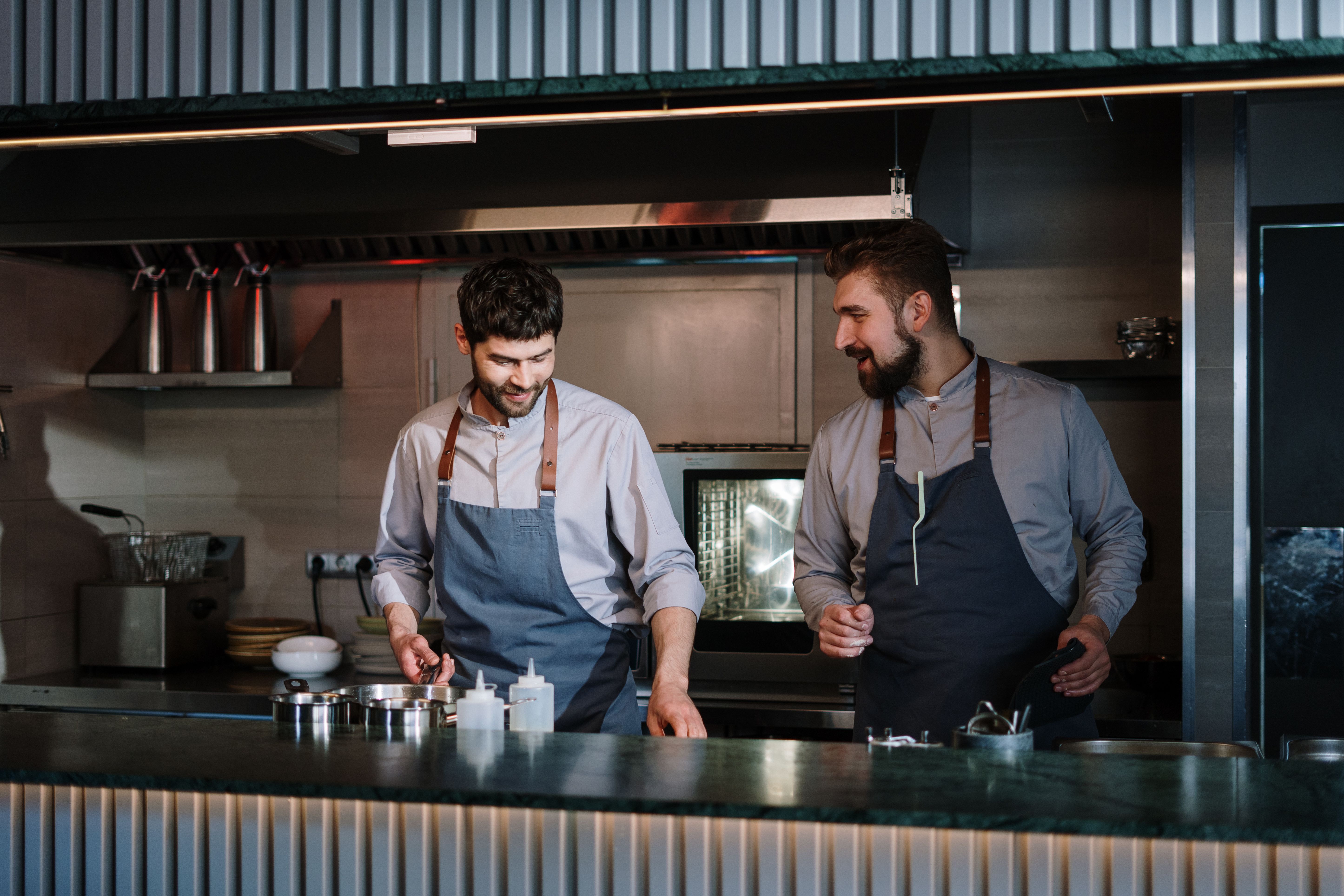
Takeout follows the grocery rate. The gap between a bento carried home and the same meal eaten at the counter therefore widens from two percentage points, the difference in place since 2019, to nine. It is the first cut to the consumption tax since its introduction in 1989, Jiji Press reported, and Nikkei puts the cost at ¥4.3 trillion a year in lost revenue.
The government plans to submit the bills to an extraordinary Diet session expected to open in early October and aims to pass them by the end of the year, according to Nikkei. Its case is that the cut eases food bills while prices rise, with payments to low- and middle-income workers covering the remaining 1%. For restaurant operators, the outline promises support to diversify, for instance by selling takeout.
Meal vouchers and a 5% precedent
The Japan Foodservice Association wants more than that. At a press conference on September 10, its chairman, Atsushi Mukumoto, called for demand-boosting measures such as premium meal vouchers to cover the wider gap, Jiji Press reported. He described restaurants as food infrastructure that supports consumers’ daily lives.
The association’s argument rests on the last change. After takeout was taxed at 8% in 2019, customer traffic in the restaurant industry fell by about 5%, Mukumoto said, according to Jiji. He warned that a 1% rate would push more customers away from full-service restaurants.
The sector enters the debate already stretched: in Osaka, the operator of the LIAISON restaurants collapsed with ¥1.2 billion in debts, and saury prices have tripled this season. The bills reach the Diet within weeks; the takeout counters have until April.
Sources
- Teikoku Databank (PR Times) · 2026-09-18
- Nikkei · 2026-09-15
- Jiji Press (Nippon.com) · 2026-09-11
- Jiji Press · 2026-08-05