Restaurant VAT cut in Germany leaves menu prices unchanged
Nine months after Germany taxed restaurant food at 7% instead of 19%, a union-commissioned study finds almost nothing got cheaper. The employers' association says the money went into wages and jobs.
Germany's restaurant VAT cut has left nine in ten menu prices where they were, according to a study that the food and hospitality union NGG presented in Berlin on 17 September. On average, dishes cost 0.5% more after the cut than before it.
The consultancy WMP Consult, working for the union, compared the prices of more than 180,000 dishes in over 12,000 restaurants in October 2025 with those charged in February and March 2026. Since 1 January 2026, food served in restaurants has been taxed at 7% instead of 19%. Drinks remain at 19%.
What the restaurant VAT cut did to menus
German menus did not get cheaper; the argument is only about who kept the difference.
According to the study, 91% of prices did not move, about 8% went up and around 1% came down. Had the tax saving been passed on in full, menu prices could in theory have fallen by roughly 10%, Tageskarte and t-online calculated.
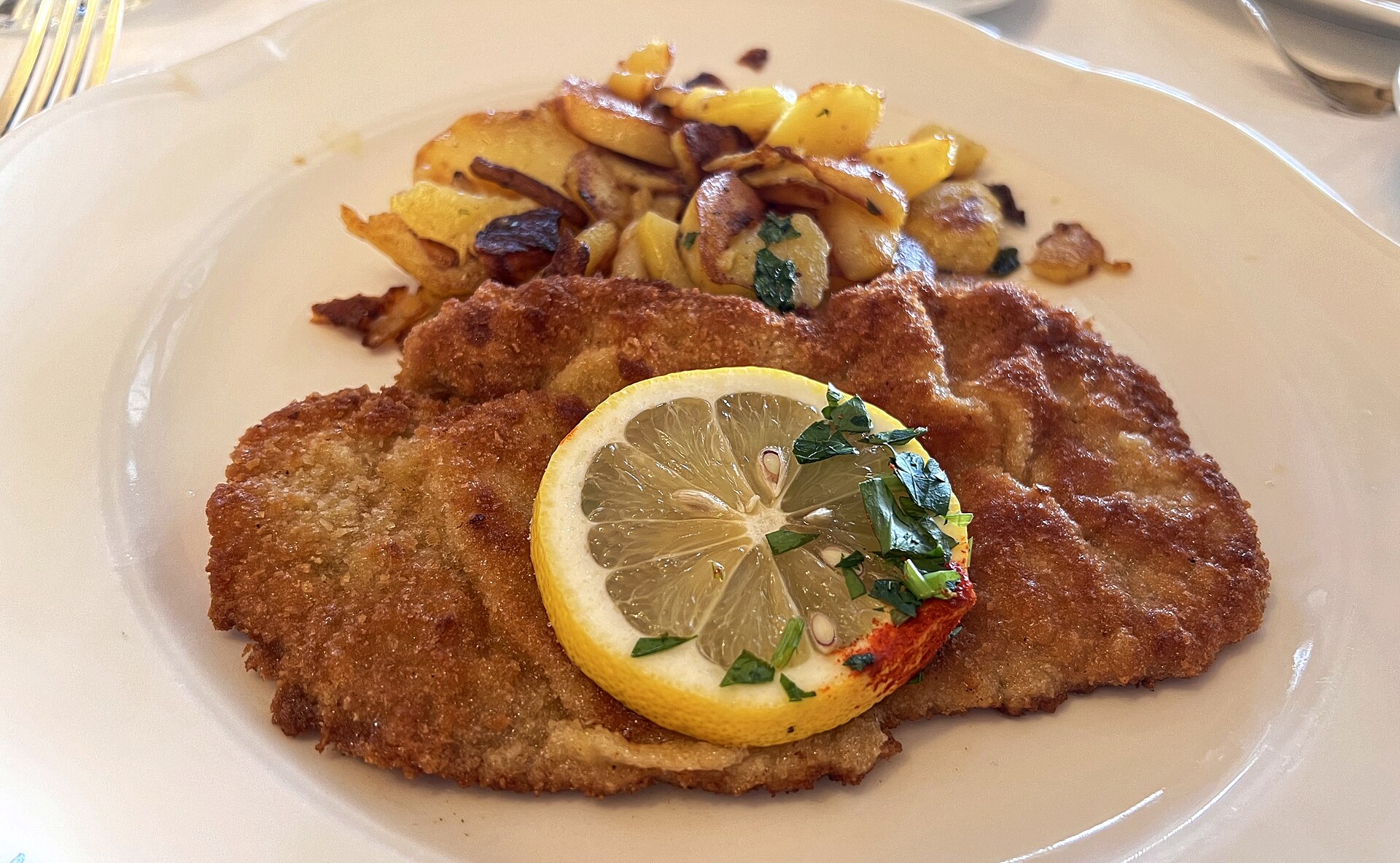
Where prices did change, they mostly rose. WMP Consult found increases on 14% of the bowls it examined, 11% of schnitzels and 10% of steaks. NGG chair Guido Zeitler said the relief the federal government intended for guests had not reached consumers. Foodwatch spokesperson Andreas Winkler said the cut was not being passed on as promised, and the group said chains such as McDonald's were getting a tax gift.
Employers say the money paid wages
The German Hotel and Restaurant Association, DEHOGA, rejects the reading. Its chief executive, Jana Schimke, said the reduced rate was never a state programme to cut prices. In a July survey of about 2,000 businesses, 73.4% said they had kept prices stable despite sharply rising costs, 72.2% said they had used the saving to cover higher staff and wage costs, and 53.1% said it had secured existing jobs.
DEHOGA points to the statutory minimum wage, which rose 8.4% on 1 January 2026, and to labour costs in the sector that in the second quarter of 2026 were more than 53% above their level in the first quarter of 2022. An earlier analysis by the data firm Meoton in March had already concluded that the cut mainly prevented further price rises, t-online reported.
Staff do not describe a windfall either. In an NGG survey of 2,120 hospitality workers in June and July, 75% said they could not recover properly after long shifts. The union is using both studies in wage talks with DEHOGA that are ongoing.
Both sides now agree that German menus did not get cheaper; they disagree only on who kept the difference. For the more than 800 British businesses asking for a hospitality VAT cut to 10%, Germany has become the test case, just as Berlin also prepares to require restaurants to accept card payments.
Sources
- Tageskarte · 2026-09-18
- t-online (dpa, Reuters) · 2026-09-17
- food-service / GV-Praxis · 2026-09-17
- Tagesspiegel · 2026-09-17