Tipping in the Netherlands: the card-machine prompt spreads
Buttons for 5, 10 or 15 per cent demonstrably bring in more tips. Guests are less keen, especially at the coffee bar, and how the money is shared stays a matter for the team.
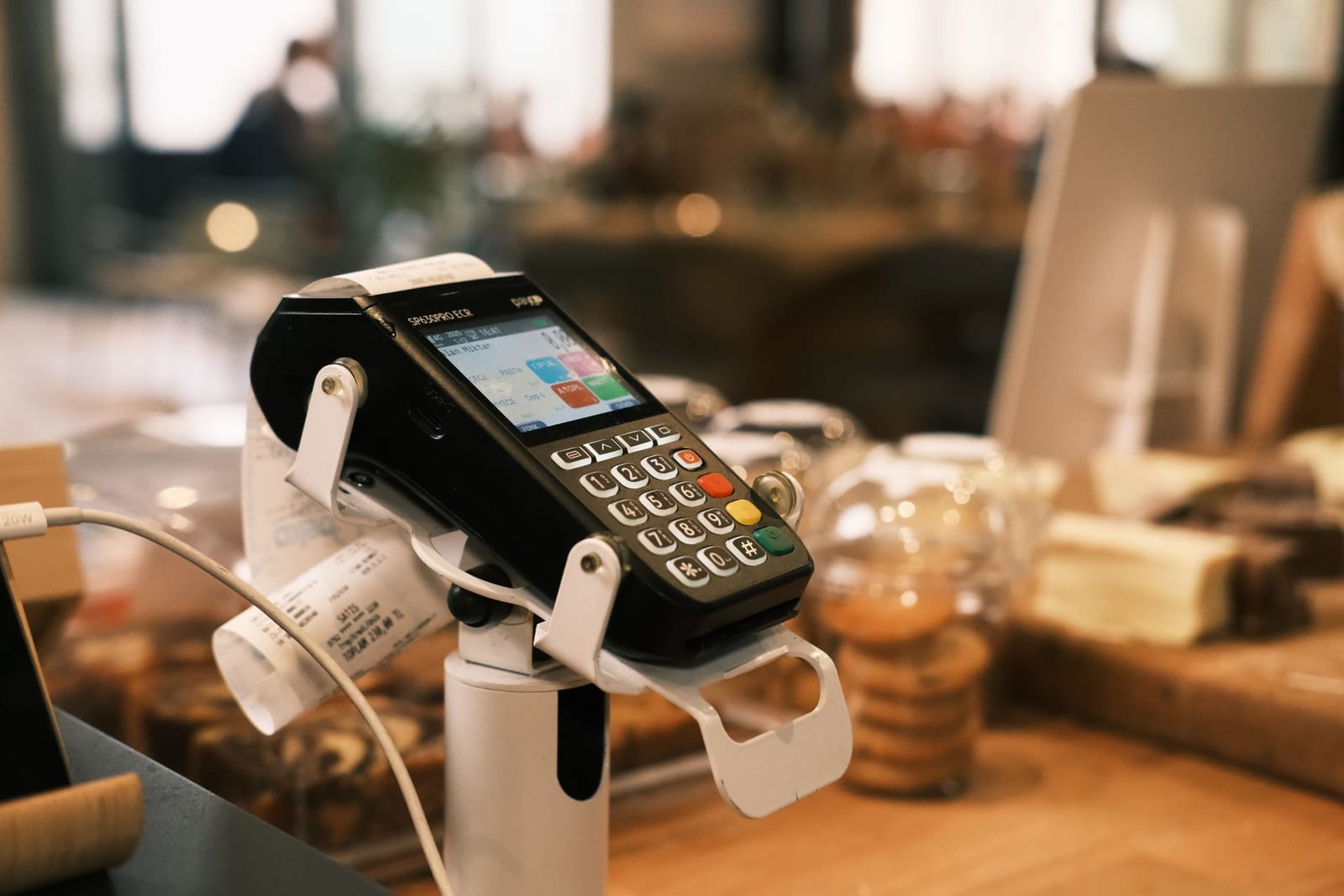
Tipping in the Netherlands is moving onto the card machine: a screen with buttons for 5, 10 or 15 per cent, and a small no-tip option somewhere at the bottom, now turns up in more and more Amsterdam restaurants, lunchrooms and coffee bars. Trade magazine Entree asked whether it is smart or rude; the figures mostly point to smart, at least for the till.
Ramzy Group, which runs 21 hospitality businesses, introduced the screen in early 2026, including at De Bekeerde Suster and Rain in Amsterdam, but deliberately not at Ventuno. Tip income rose by more than 20 per cent, Ramez Ramzy told Entree. Only about a fifth of his guests still pay in cash. Tips are part of the income staff count on, Ramzy said.
Not everyone is following. Michiel Huisman of breakfast and lunch chain Teds left the screen out: to him it feels like asking the guest to grade the service on the spot. He would rather wait until it is clear which form guests accept.
The screen asks a question three quarters of coffee-bar guests have already answered.
What the screen does to tipping in the Netherlands
Consumer psychologist Patrick Wessels explained to Hart van Nederland in October why it works. The screen forces a moment of choice. Without a prompt, he said, 17 per cent of guests leave a tip; with the screen, 39 per cent do, and venues with a tip screen count 2.25 times as many tippers. The button for giving nothing is often small and at the bottom. Trade association KHN is positive about the screen but considers a 0 per cent option mandatory, Entree reports.
Guests are less enthusiastic. In research by till supplier Lightspeed and OnePoll among 1,000 Dutch restaurant-goers (May 2025), 31 per cent said they felt pressured to pick a percentage, and 36 per cent want tipping abolished altogether. Of those surveyed, 37 per cent tip 5 to 10 per cent, 33 per cent tip 1 to 5 per cent and 16 per cent give nothing. Only 23 per cent think a tip is appropriate at a coffee bar or tearoom. With a flat white at the counter, the screen asks a question three quarters of guests have already answered.
Who gets the tip from the screen
At Ramzy, all tips go to the team and management stays out of how they are divided. According to KHN this varies by business: sometimes the whole team shares, sometimes only those who serve the table directly. Huisman points out that the person who pays the bill is not always the one who did the serving.
For tax, the line is clear. According to KHN, tips are not wages: an employer who pays at least the collective-agreement wage does not withhold payroll tax on them, and staff declare their tips themselves in their income tax return. Pay less than the agreement, and the Dutch tax authority treats the difference as taxable tip income.
Anyone who wants to meet the screen in person can do a round of the best coffee bars in Amsterdam in 2026. Whether tipping in the Netherlands stays on the screen will in the end be decided by the guest, with one tap.
Sources
- Entree — Het digitale fooienscherm in opmars in de horeca: slim of onbeleefd? ·
- Hart van Nederland — Fooienscherm op de pinautomaat (consumentenpsycholoog Patrick Wessels) ·
- Lightspeed — Nederland verdeeld over het geven van fooi (onderzoek met OnePoll) ·
- KHN — Moet ik belastingen of premies betalen over de fooien voor de bediening? ·