Arabica coffee prices hit a six-month high
A slow Brazilian harvest and patchy Colombian exports squeezed arabica supply through August, pushing prices to their highest level in six months.
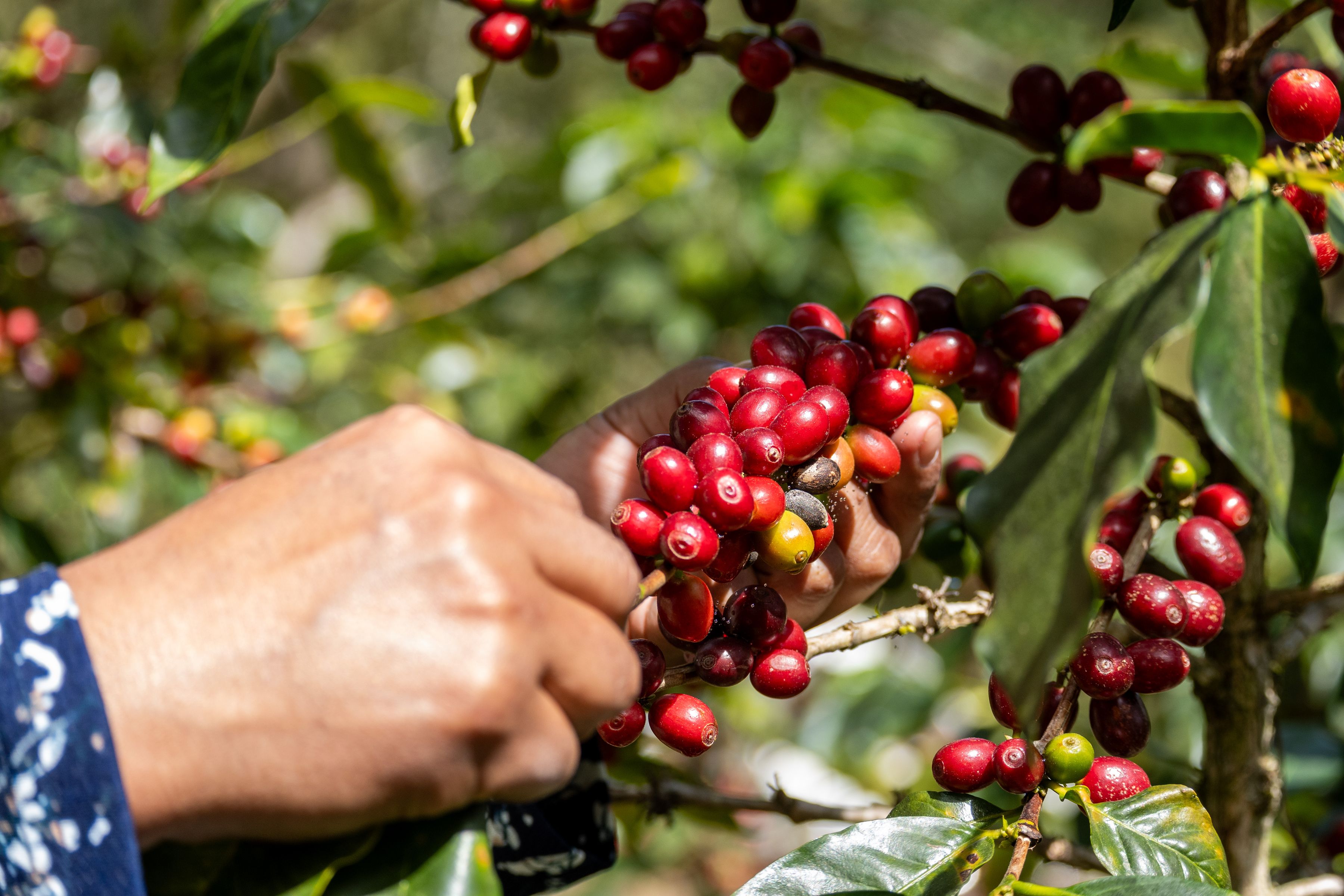
Arabica coffee prices climbed to a six-and-a-half-month high in late August as Brazil's harvest ran behind schedule, before easing to around $3.08 a pound by 1 September.
Brazil's 2026/27 crop was 90% picked as of 12 August, according to harvest trackers, against 97% at the same point last year and a five-year average of 94%. That gap of several percentage points does not sound large, but coffee trading runs on exactly this kind of margin: it was enough to push futures to roughly $3.42 a pound in mid-to-late August, their highest level since ICE certified arabica stocks fell to a 26-year low.
Brazilian farmers have added to the squeeze by holding back beans in anticipation of even higher prices, a common response once a harvest is already running late. Slower selling from the country that grows more arabica than any other tightens the pipeline for roasters everywhere, not just in Brazil — the same pipeline that Uganda's new export deal with South Korea is trying to plug from the robusta side.
A late harvest and a tight pipeline: coffee's price swings are rarely just about demand.
Colombia's exports stay uneven
Colombia, the second-largest arabica producer, has only partially resumed shipments through the port of Buenaventura, which handles most of its coffee exports. Traffic through the port remains intermittent, adding a second source of uncertainty on top of Brazil's slow harvest at a moment when buyers have little room to substitute one origin for another.
Prices retreated from their August peak once the Brazilian harvest accelerated into September, a pattern that has repeated for several years running: a late, tense finish followed by a rapid catch-up once the weather cooperates.
Next year's crop is already a worry
Forecasters are watching for an El Niño pattern that could delay the rains Brazilian trees need for flowering in September and October, the period that effectively sets the size of the 2027/28 crop. A delay now would not move this year's price, but it would extend the tight-supply story roasters have been living with since the stock drawdown began.
None of this is news to anyone who buys green coffee for a living. It is, increasingly, news to anyone buying a bag of it retail, as roasters pass through a year in which the harvest itself, not shipping costs or demand, has done most of the damage.
Sources
- Barchart · 2026-08-12
- Yahoo Finance · 2026-09-01
- Barchart · 2026-09-05