Barry Callebaut ties chocolate to dairy carbon data, not cuts
A three-year deal with Arla Foods will trace Barry Callebaut's milk powder to farm-level emissions figures, with incentive payments for farmers but no disclosed reduction target.
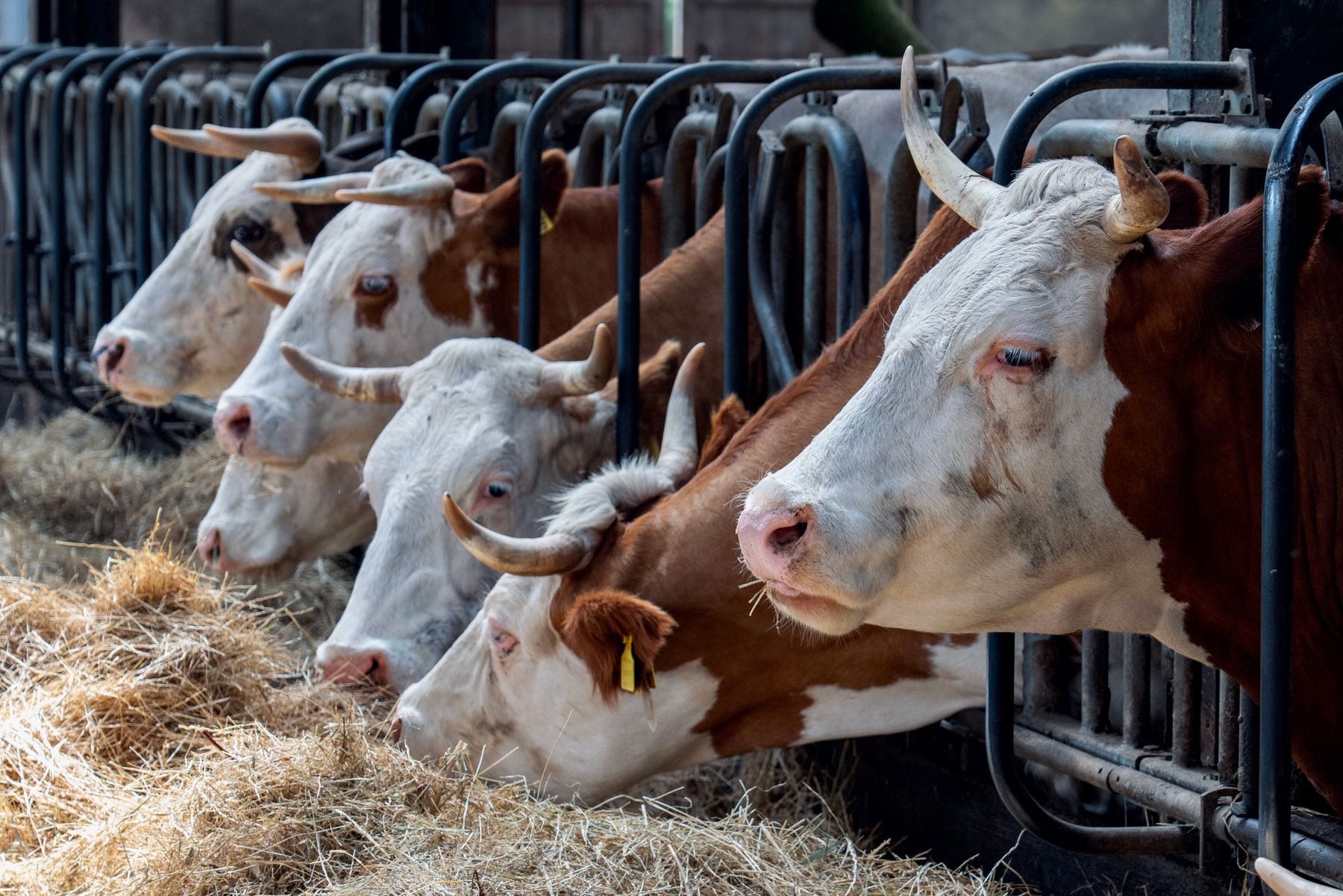
Barry Callebaut has signed a three-year partnership with Arla Foods to trace its chocolate supply chain's dairy to farm-level carbon data rather than an industry average.
Milk powder is a core ingredient in milk chocolate, and Barry Callebaut buys it at industrial scale to supply the brands and bakers that use its couverture. The deal starts with skimmed milk powder Arla supplies to Barry Callebaut's factories from farms in the UK. Under Arla's FarmAhead Customer Partnership programme, the dairy cooperative will hand over annual primary carbon footprint figures for that milk, tied to the actual volumes delivered, feeding into the Scope 3 numbers Barry Callebaut reports as part of its Net Zero roadmap.
Data first, cuts left open
Verified farm data closes a reporting gap. It does not, on its own, cut a single tonne of carbon.
Farmers who adopt practices that lower emissions can receive incentive payments under the scheme, though neither company has disclosed how large those payments are or how they are calculated. Barry Callebaut has not attached a percentage reduction target to the partnership either. The public language commits to supporting the actions farmers take, not to a specific cut in the chocolate maker's dairy footprint.
"Decarbonising dairy is essential to reducing our carbon footprint," said Tilmann Silber, Barry Callebaut's head of net zero. "This partnership is a testament to our commitment to driving meaningful progress on our Net Zero journey." Arla's Cathrine Konge Varming, senior director of sustainability innovation and development, framed the exchange as two-way: the partnership, she said, will "support the actions our farmer owners are taking to produce high-quality dairy as efficiently as possible while providing valuable data for Barry Callebaut's reporting purposes."
A reporting fix more than a recipe change
For Barry Callebaut, the immediate value looks closer to better bookkeeping than lower emissions: verified farm-level data closes gaps that averaged industry figures leave in Scope 3 reporting, the sort of gap that has drawn scrutiny of its cocoa sourcing in Ivory Coast too. Whether farm practices actually change depends on incentive payments neither side has quantified. Dairy joins cocoa on the same accounting sheet at a company that buys both by the tonne, one certified data point at a time rather than one guaranteed cut.
Sources
- FoodNavigator · 2026-09-07
- Barry Callebaut · 2026-09-03
- ESM Magazine · 2026-09-08