Ghana cocoa price hike of 6% would widen gap with Ivory Coast
The proposal still needs the finance minister's signature, and it lands as Ivory Coast holds its own price at 1,200 CFA francs a kilo, three months after both promised to align.
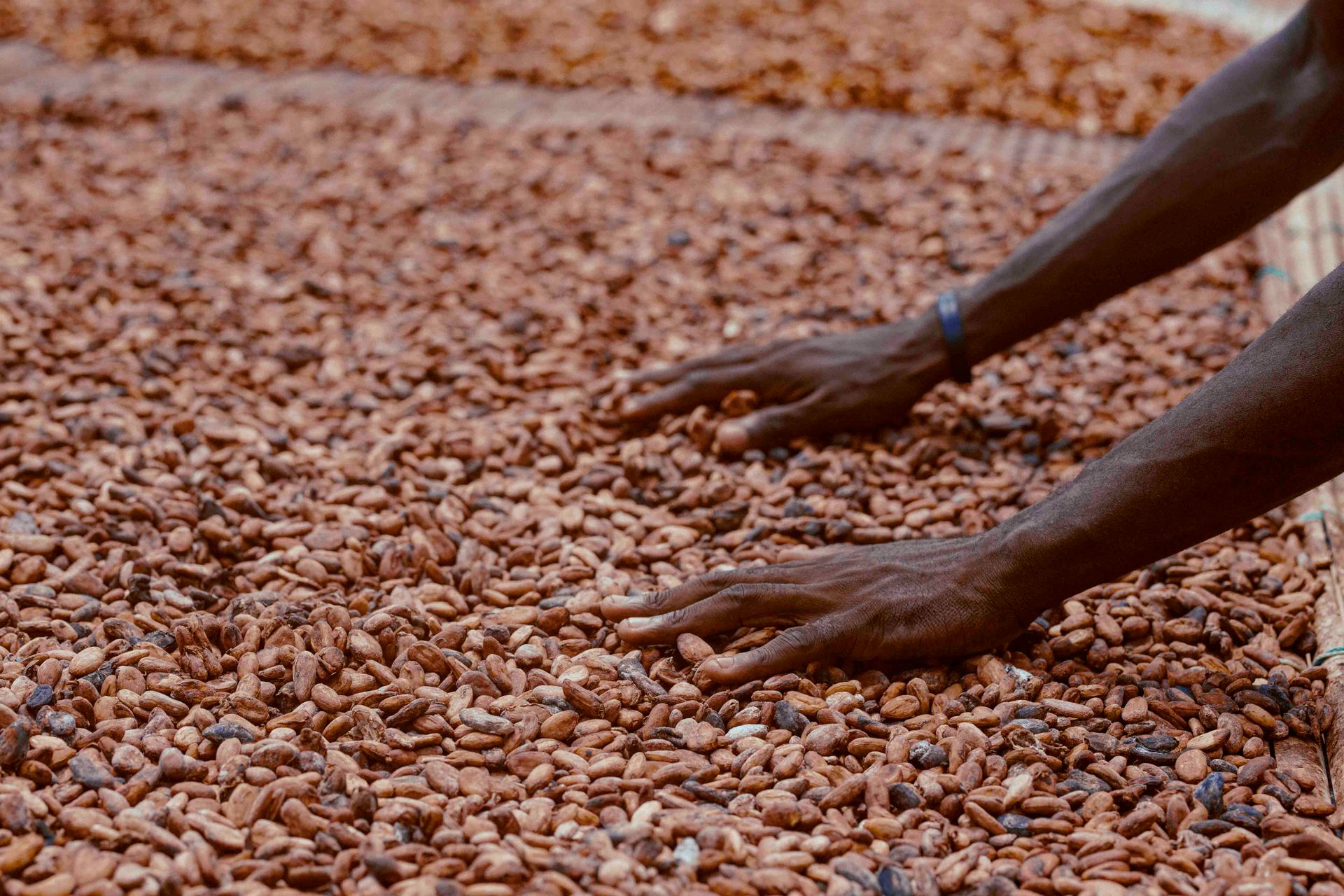
The Ghana cocoa price paid to farmers is set to rise by about 6% for the 2026/27 season, to 2,737 cedis (about $240) per 64-kg bag from 2,587 cedis, under a COCOBOD plan reported by Bloomberg on 9 September. The finance minister still has to approve it, and no formal announcement had followed by 11 September.
The farmgate price is what a grower is paid for dried beans at the farm, before traders and exporters add their margins. In Ghana the state regulator fixes it for the season, in line with a government aim of passing at least 70% of the free-on-board export price to farmers. Purchases start around 17 September, funded by cocoa bills COCOBOD is selling to local investors.
The rise is small next to the market. Futures have climbed about 50% since late May on fears of smaller West African harvests, as forecasts for the Ivorian and Ghanaian crops kept slipping. Today's rate dates from February, when Ghana cut it by about 29% after buyers balked at the price of its beans.
A higher farmgate price in Ghana adds no cocoa to the world, only a reason to cross the border.
Why the Ghana cocoa price pulls Ivorian beans
Ivory Coast, the world's largest producer, kept its farmgate price at 1,200 CFA francs (about $2.12) a kilo for a main crop that runs to 28 February 2027, agriculture minister Bruno Koné said on 1 September, according to Reuters. A year earlier it paid a record 2,800 CFA francs.
At 2,737 cedis a bag, Ghana would pay about 75% more per kilo, according to Bloomberg, and beans tend to follow the better price. Last season Ghana targeted 650,000 tonnes and bought more than 750,000, a surplus Bloomberg attributes partly to cocoa smuggled in from neighbouring countries.
The plan also sits awkwardly with diplomacy. On 16 June in Abidjan, presidents John Dramani Mahama and Alassane Ouattara signed a joint declaration committing the two countries, which grow about 60% of the world's cocoa, to harmonise farmgate pricing policies and crop calendars, Graphic Online reported. Three months on, the gap is widening.
When a farmgate price reaches the pastry bench
Slowly. Chocolate makers hedge cocoa months ahead: CoBank noted in March that several had locked in beans at around $6,000 a tonne the previous autumn, leaving little room to cut prices when the market fell. The couverture on a pastry bench this winter was largely paid for before this proposal existed.
A higher rate in Ghana adds no cocoa to the world; it changes where beans are sold and counted. Kitchens feel that later, through the futures price.
Next comes the finance minister's signature. The Ivorian price stays fixed until its main crop closes at the end of February, which leaves smugglers a full season of clear arithmetic.
Sources
- Bloomberg · 2026-09-09
- CNBC Africa (Reuters) · 2026-09-01
- Graphic Online · 2026-06-17
- CoBank · 2026-03-26