Pacific bluefin tuna quota rises again for 2027-28
Mexico's catch limit climbs 4.6% and the US allocation 6.8%, as the IATTC extends a decade-long recovery in Pacific bluefin stocks.
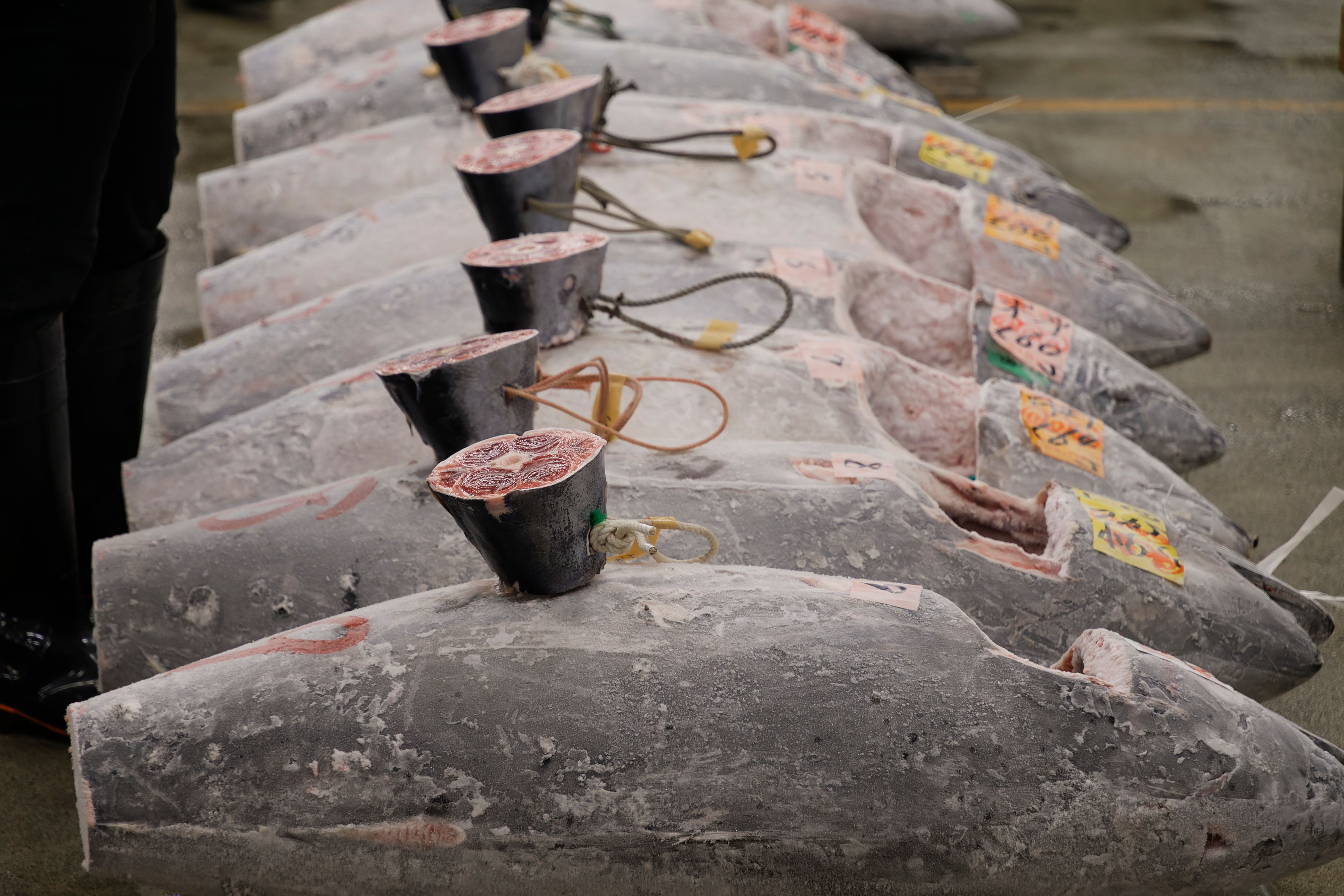
The Pacific bluefin tuna quota rises again for 2027-28, with Mexico's commercial allocation up 4.6% to 11,256 metric tons and the US allocation up 6.8% to 1,945 tons, under a deal adopted by the Inter-American Tropical Tuna Commission in early September.
The increase follows a joint working group between the IATTC and the Western and Central Pacific Fisheries Commission, which agreed a new management framework setting out exactly how catch limits get split between the eastern and western Pacific. Negotiations had stalled in July before the two bodies reached agreement in early September, closing a gap that had left fishing fleets on both sides of the Pacific waiting on next year's limits.
The eastern Pacific catch quota, covering waters off Mexico, rises from 7,581 tons to 7,740 tons under the same package, a smaller jump but one that still matters for a fleet that fishes those grounds year-round.
A rare fisheries success story, not a routine quota adjustment.
A rebuilt stock, not a reopened one
Pacific bluefin populations collapsed to historic lows between 2009 and 2012 after decades of overfishing, then rebuilt roughly a decade ahead of schedule once the US, Mexico, Japan and other Pacific fishing nations imposed strict catch limits. A previous round of increases in 2024 lifted the US two-year limit by nearly 80%, from 1,017 to 1,822 tons; this latest rise continues that trajectory rather than marking a new reopening.
NOAA has credited the stringent management on both sides of the Pacific for the recovery, framing it as a rare fisheries success story rather than a routine quota adjustment, one built on a decade of restraint rather than a single good season.
What bigger quotas mean at the table
More Pacific bluefin moving through Mexican and US ports should ease supply for a market whose trade volumes have been tracked closely all year, alongside the volatility running through Arabica coffee prices. Whether the extra tonnage shows up as lower prices at sushi counters or simply as fatter margins for distributors is the part the quota numbers alone cannot answer.
Sources
- Undercurrent News · 2026-09-07
- Mongabay · 2026-09-08
- The Japan Times · 2026-08-19