Saudi Arabia pushes dates into fine dining and exports
A new deal between the kingdom's Culinary Arts Commission and its dates authority aims to turn a pantry staple into a marketed export and a signature ingredient at home.
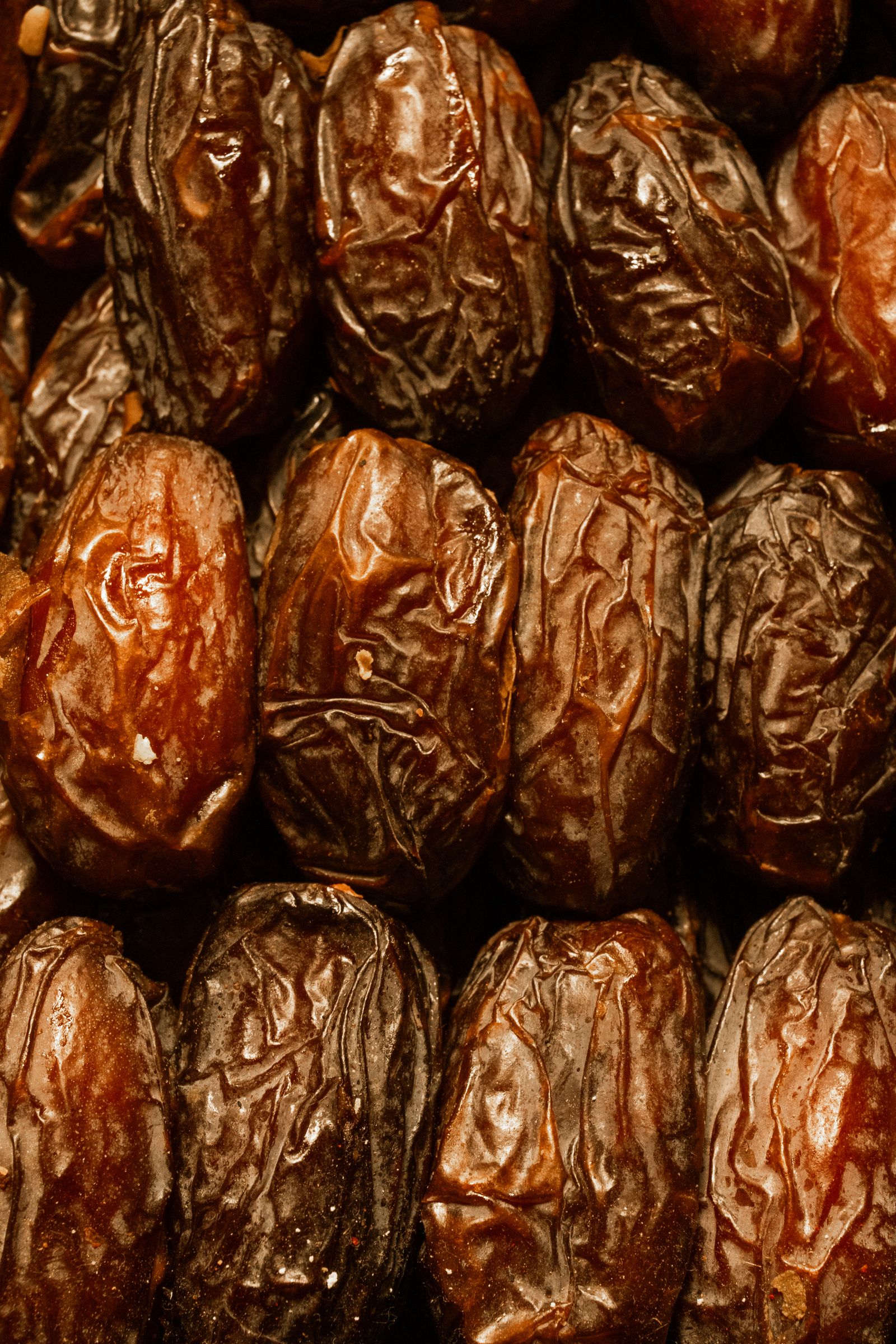
Saudi dates culinary ambitions took a step forward this month as the kingdom's Culinary Arts Commission signed a memorandum of understanding with the National Center for Palms and Dates, aiming to push dates further into both fine dining and export markets.
The agreement was signed in Riyadh by Mayada Badr, the commission's CEO, and Ahmed Al-Mousa, head of the dates centre. It commits both bodies to developing distinctive date-based dishes, supporting export of processed date products, and running joint promotional campaigns in Saudi Arabia and abroad.
It also sets up an exchange of chef networks and databases between the two organisations, intended to help chefs incorporate dates into new recipes rather than treating them purely as a traditional sweet or a Ramadan staple.
The agreement aims to strengthen the role of dates and date-based products as key elements of Saudi identity and cuisine.
From commodity to culinary identity
The National Center for Palms and Dates already runs campaigns promoting dates across dishes, beverages and daily recipes, pitching their nutritional profile alongside processed products aimed at both local and export buyers. Folding the Culinary Arts Commission into that push adds a body focused on chefs and restaurants rather than agricultural marketing.
Saudi Arabia is among the world's largest date producers, and the fruit carries cultural weight well beyond nutrition. The commission's involvement signals an attempt to move dates up the value chain: from bulk commodity toward the kind of signature-ingredient status that Gulf hospitality brands have increasingly sought as they build culinary identities distinct from imported Western fine dining.
A regional pattern of state-backed food branding
The deal fits a wider regional pattern of state bodies backing specific ingredients as culinary and export assets, similar in spirit to export agreements built around coffee elsewhere. It also lands as Gulf cities compete harder for culinary attention: Dubai has drawn a string of international openings this year, including Rocambolesco's Italian concept, and Riyadh's own dining scene is expanding alongside it.
Whether the partnership produces dishes with lasting menu presence, rather than one-off promotional plates, will depend on the chef exchange the two bodies have promised rather than the memorandum itself.
Sources
- Arab News · 2026-09-09
- National Center for Palms & Dates · 2026-09-09