Stone fruit season shrinks after Australia's warmest winter
Victoria's warmest winter on record has cut winter chill for peach and nectarine growers, with Riverbend Orchard reporting uneven flowering ahead of October's harvest.
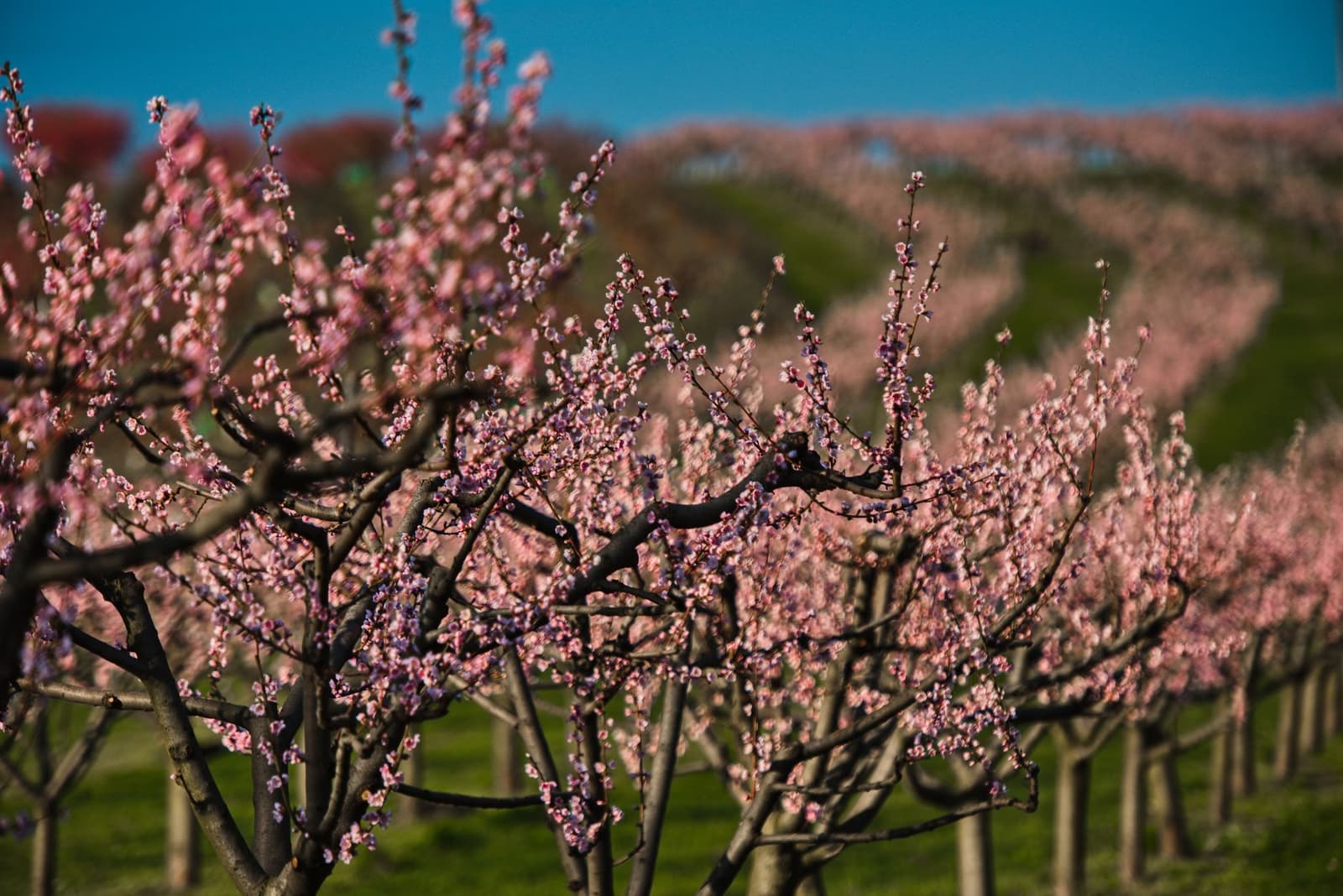
Stone fruit season is set to shrink in Victoria, Australia, after the state logged its warmest winter on record. Riverbend Orchard, a 460-acre peach and nectarine grower near Swan Hill, reports uneven flowering and patchy fruit set across several varieties.
Winter chill accumulation fell far short of normal levels this year. Marianne De Maio, director of Riverbend Orchard, says the shortfall disrupted bud break across the property's 420 productive acres, split roughly 60 percent nectarines and 40 percent peaches. "This has led to significantly lower winter chill than we would normally expect, which has affected flowering and fruit set across a number of varieties," she says.
De Maio says the deficit is unprecedented at her site. "This is the first time we have really experienced such low chill at Swan Hill," she says. Blocks that did set fruit normally are developing well, she adds, but the shortfall was not even across the orchard.
This is the first time we have really experienced such low chill at Swan Hill.
Bureau of Meteorology data, analyzed by weather service Weatherzone, confirms the scale of the anomaly behind the disrupted stone fruit season. Victoria's winter mean temperature ran 1.40C above the long-term average, the state's warmest winter on record. New South Wales and Tasmania also posted their warmest winters on record, and Melbourne logged its warmest winter since measurements began in the 1850s.
Chill hours decide the stone fruit season
Peaches and nectarines need a set number of hours below a threshold temperature each winter to break dormancy evenly. Without enough chill, buds open at different times and pollination becomes patchy, cutting the number of fruit that set on each tree.
The pattern extends beyond one orchard. Sydney's winter mean temperature ran 2.3C above average, according to Bureau of Meteorology figures reported by the ABC, and forecasters expect spring temperatures 2C to 3C above the 1981-2018 baseline across southern Australia, with better than 80 percent odds of top-quintile heat this season. The anomaly is shaping other seasonal produce stories across the region this year.
October harvest dates stay on track
Riverbend Orchard still expects to start picking peaches between 18 and 20 October, with nectarines following about three days later. Full-scale harvest should run from around 25 October into January, with roughly 85 percent of the crop picked before Christmas.
De Maio says the grower won't have a firm volume estimate until fruit sizes further ahead of picking. The priority now, she says, is managing thinning and irrigation on the blocks that set well rather than tallying losses in what is shaping up as a smaller stone fruit season overall.
Sources
- FreshPlaza ·
- Weatherzone ·
- ABC News ·