Philippines suspends ube exports as chefs abroad adapt
An indefinite ban on fresh purple yam and planting material, imposed to protect domestic stock, is forcing substitutions on menus in London and beyond.
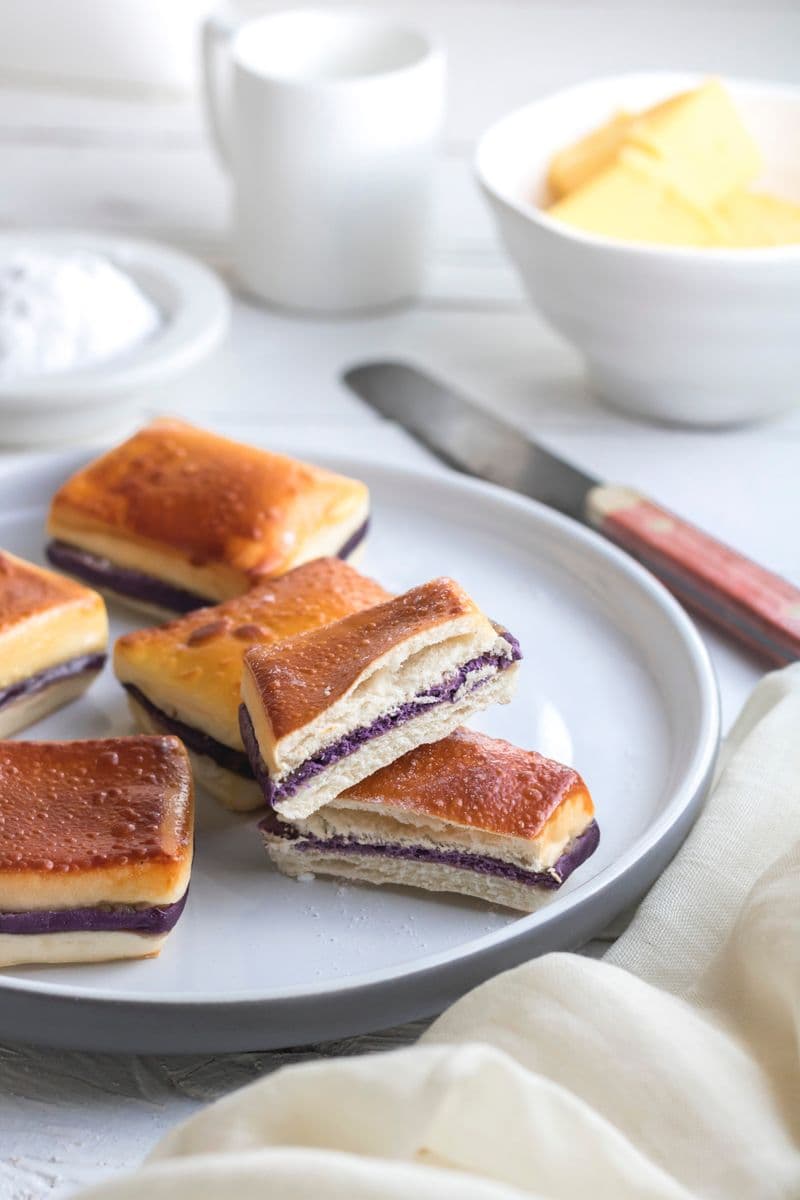
The Philippines has indefinitely suspended exports of fresh ube, the purple yam behind a boom in pastries and drinks abroad, in a Philippines ube export ban meant to protect the country's own planting stock.
The suspension, which took effect in mid-August, covers fresh ube tubers and propagative planting material intended for consumption, cultivation or research. It does not touch processed or frozen ube, so paste, powder and pre-made fillings can still leave the country. Agriculture secretary Francisco P. Tiu Laurel Jr said the country "severely" lacks planting material for its own growers and does not want to export the varieties that competitors could use to cultivate ube outside the Philippines and undercut the country that built the market for it.
Demand is the root of the problem. Ube's popularity has spread well beyond Filipino kitchens over the past few years, outstripping the rate at which domestic growers have been able to expand supply, and the government's answer has been to close the tap on raw material rather than let exports keep pace with demand it cannot yet meet. It is a version of the strain already visible in the country's banana exports, where land, not appetite, is the limiting factor.
Substitute the colour, and you still haven't substituted the thing chefs actually mean by ube.
A crop caught by its own popularity
In the UK, ube now shows up on menus at Pret, Black Sheep Coffee, Starbucks and Costa Coffee, alongside Filipino kitchens such as Bintang, Belly Bistro, Mamasons and Café Mama & Sons. That spread happened fast enough that supply was already tight before the ban, and chefs say the fix is not simple. "You can substitute other purple yams or purple sweet potato in certain recipes, particularly where you're looking for colour or texture," said chef Omar Shah, "but I wouldn't call that ube."
What still reaches UK kitchens
Because processed ube is unaffected, the ingredient will not vanish from menus outright. Bakeries and cafés that rely on ube paste or powder for cakes, buns and drinks can keep sourcing it; it is fresh tubers, used for texture-driven dishes like halaya, that will be hardest to replace convincingly.
The Philippines has not set an end date for the suspension, tying it instead to when domestic planting stock recovers enough to support both local growers and exports again.