Chicken biryani recipe: Hyderabad's sealed-pot kacchi method
Hyderabad's kacchi biryani layers raw marinated chicken under half-cooked rice, seals the pot shut, and lets trapped steam finish both at once.
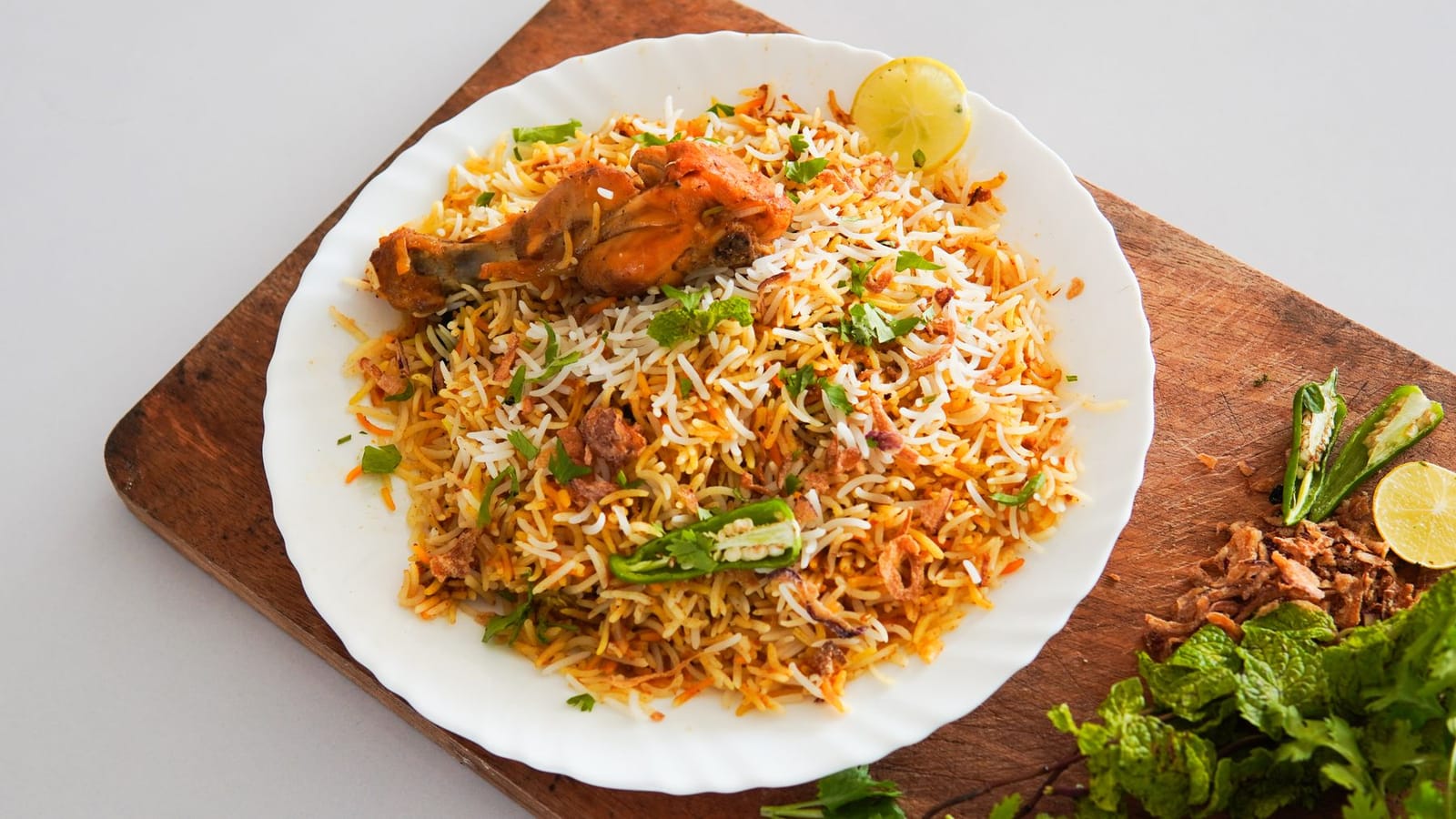
Kacchi biryani is Hyderabad's dum-sealed version of the dish: raw marinated chicken goes under parboiled rice, the pot is sealed shut, and everything finishes cooking on trapped steam alone. The method is slower and riskier than simply simmering chicken and rice together, which is exactly why Hyderabadi cooks still rate it above the easier pakki style.
The dish traces to the kitchens of the Nizams of Hyderabad, where Mughlai layering technique met the Deccan's sharper, chilli-forward spicing. Kacchi means raw: the chicken is never pre-cooked, so every layer of rice above it draws flavour from the marinade as the dum seals in steam. Done badly, the rice turns mushy or the chicken stays underdone; done right, each grain stays separate and the meat falls off the bone.
It shares its layering logic with other regional Indian birds and curries, including the roast-and-grind Chettinad chicken curry further south, though the techniques diverge completely from there.
The seal on the pot is the whole method: everything underneath it has to trust the steam.
Ingredients
- 800 g bone-in chicken thighs and drumsticks
- 250 g thick plain yogurt
- 2 tbsp ginger-garlic paste
- 2 tsp Kashmiri chilli powder
- Juice of 1 lemon
- 2 large onions, thinly sliced and deep-fried until golden
- 20 g mint leaves, chopped
- 15 g coriander leaves, chopped
- 500 g aged basmati rice, soaked 30 minutes
- 1 cinnamon stick, 4 green cardamom pods, 2 bay leaves
- Pinch of saffron, soaked in 3 tbsp warm milk
- 3 tbsp ghee
- Salt
Method
- Mix the yogurt, ginger-garlic paste, chilli powder, lemon juice, half the fried onions and half the mint and coriander. Massage into the chicken and marinate at least 1 hour, longer if time allows. The yogurt's acidity tenderises the meat and is what lets it cook through on steam alone, with no direct heat.
- Bring a large pot of salted water to the boil with the whole spices. Add the soaked rice and cook for 6-7 minutes, until the grains are about 70% done, firm at the centre. Stopping here matters: fully cooked rice would turn to paste once steamed again during dum.
- Drain the rice and spread the marinated chicken in an even layer across the base of a heavy, wide pot.
- Layer the part-cooked rice over the chicken, then scatter the remaining fried onions, mint, coriander, the saffron milk and the ghee over the top. Do not stir the layers together; the separation is what lets the rice finish by steam rather than by direct contact with the chicken's juices.
- Cover tightly, sealing the lid with a strip of dough or a double layer of foil so no steam escapes, and cook on the lowest possible heat for 45 minutes. The seal is the whole method: trapped steam cooks the raw chicken gently from below while the rice above absorbs its fat and spice.
- Take the pot off the heat and let it rest, still sealed, for 10 minutes before opening. Resting lets the grains settle so they lift apart with a fork instead of clumping.
Serve it with raita, not more heat
Kacchi biryani is already layered with chilli, so serve it with a cooling cucumber or onion raita rather than a second curry, which was traditionally reserved for the milder pakki version. A side of sliced onion in vinegar cuts through the richness of the ghee and fried onions.
Leftovers reheat best covered, over low heat with a splash of water, never in a dry pan, or the rice on top scorches before the chicken below warms through.
Can kacchi biryani be made without sealing the pot? Not safely: without a tight seal, steam escapes, the rice on top dries out, and the raw chicken underneath can stay undercooked, which is the main risk the dum method is built to avoid.