Quique Dacosta defends the tasting menu as art
The three-Michelin-star chef from Dénia says the format is one artistic language among many — and that debates always forget the cook's own freedom to choose it.
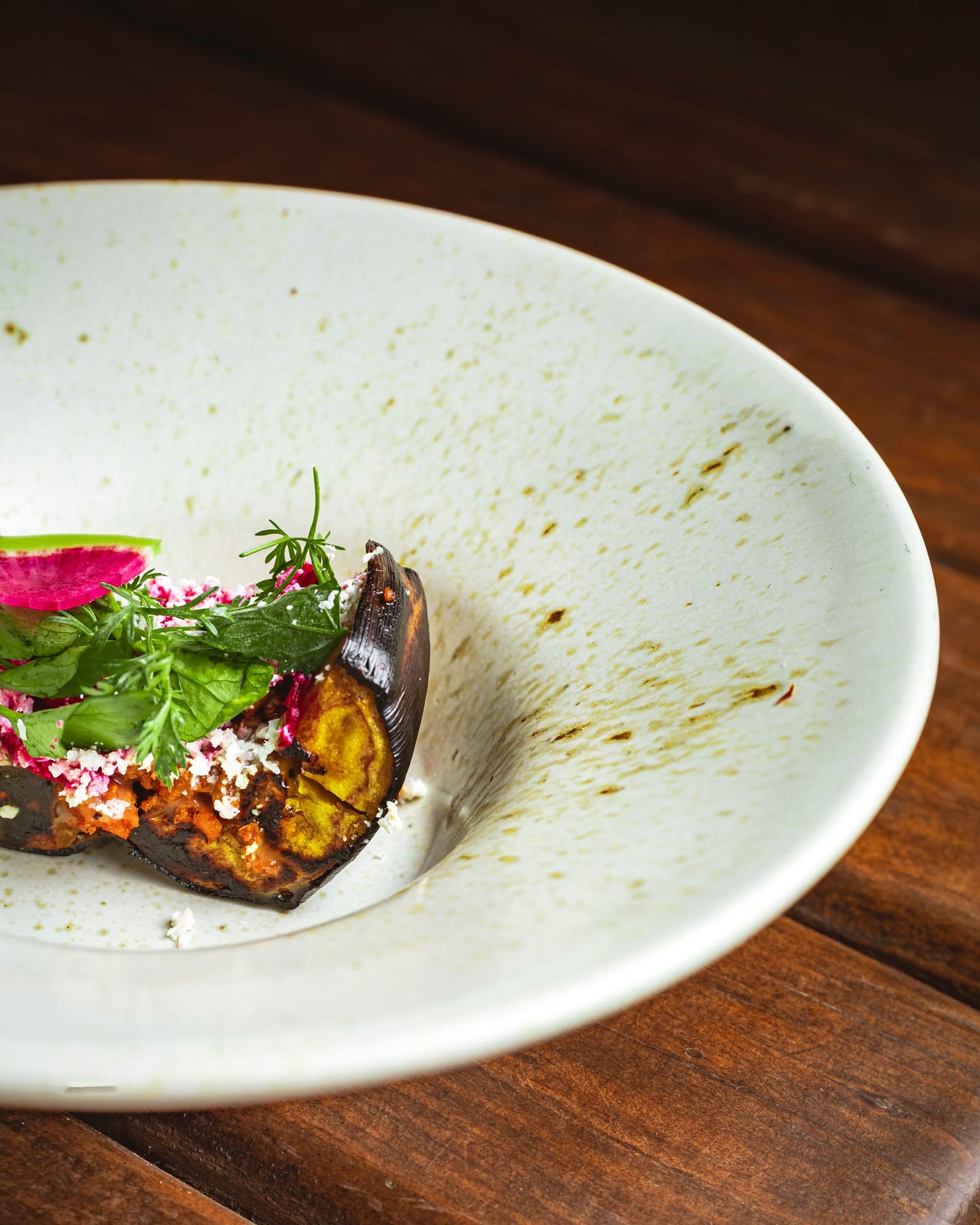
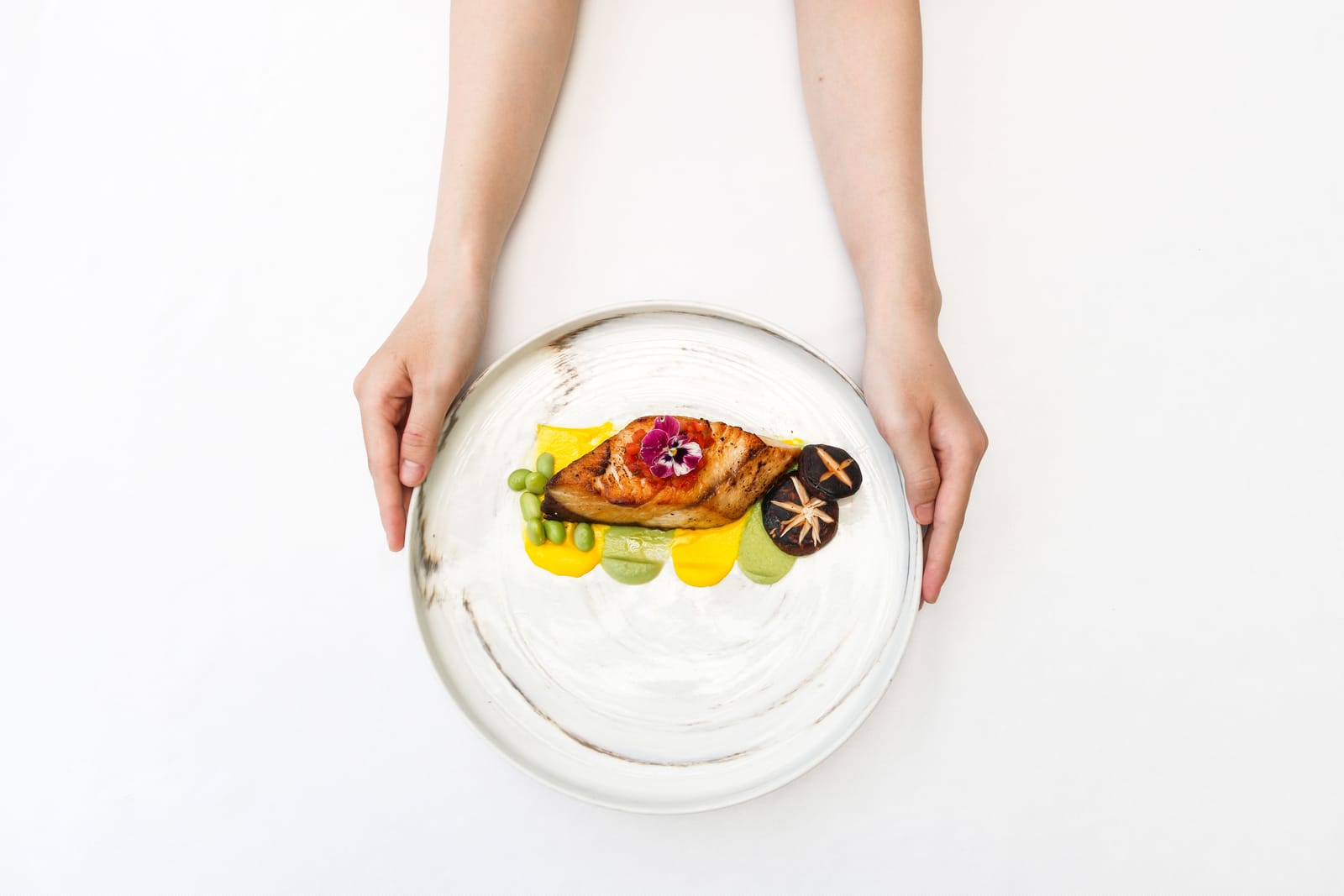
Quique Dacosta is tired of hearing that the tasting menu enslaves diners. The three-Michelin-star chef argues it frees the cook instead — and that no restaurant should have to pick only one language for a meal.
Dacosta, who runs the restaurant that carries his name on Spain's Valencian coast in Dénia, made the case in an interview published on 1 November by the Spanish outlet 7Caníbales. Self-taught and in his 42nd year in professional kitchens, he also leads restaurants in Valencia, Madrid and London and curates the D*na gastronomy festival in his home town.
A chef's freedom, not just the diner's
The tasting menu is one language among many — not a rule everyone must obey.
His starting point is a question he says gets asked too rarely: "Why is the diner's freedom always discussed, while the cook's is forgotten?" For Dacosta, a tasting menu is not an imposition but one artistic language among several — comparable, he says, to choosing poetry over theatre, or a novel over a comic. None of those forms should be made to disappear because they are not everyone's favourite.
He says listening to guests matters, but not at the cost of a restaurant's own identity. His own group proves the point: the tasting menu is central at some of his restaurants and absent at others, a split he treats as deliberate rather than inconsistent.
He also pushes back on talk of a fine-dining "crisis". Turbulence in the sector, he argues, is cyclical, not proof the model has failed — a view he says his decades in the business support rather than contradict.
What the tasting menu costs, and why
Dacosta's own tasting menu runs to €315 a head. He compares that to the price of a Real Madrid match ticket or a Formula 1 weekend in Madrid, arguing diners are paying for a cultural and educational experience as much as a meal.
He declines to referee more theatrical rivals, pointing to Copenhagen's Alchemist, where a meal costs roughly €1,000 per person, as proof that restaurants can set their own language and let diners judge it. He is equally reluctant to criticise younger chefs experimenting with unconventional tableware or staging.
The debate resurfaces every year as rankings and awards reset the conversation — this year's edition of The World's 50 Best Restaurants landed in Lima, while Spain's own food industry made headlines this week as Córdoba prepares to host the World Cheese Awards.
Dacosta's own description of his cooking stays deliberately broad: Mediterranean roots, research and artistic sensibility, with trends watched rather than chased.