Basque Culinary Center launches a wine and drinks degree
The official four-year degree puts students in a Rioja Alavesa vineyard and a Vitoria-Gasteiz pilot plant, making wine, beer and cider from their first year.
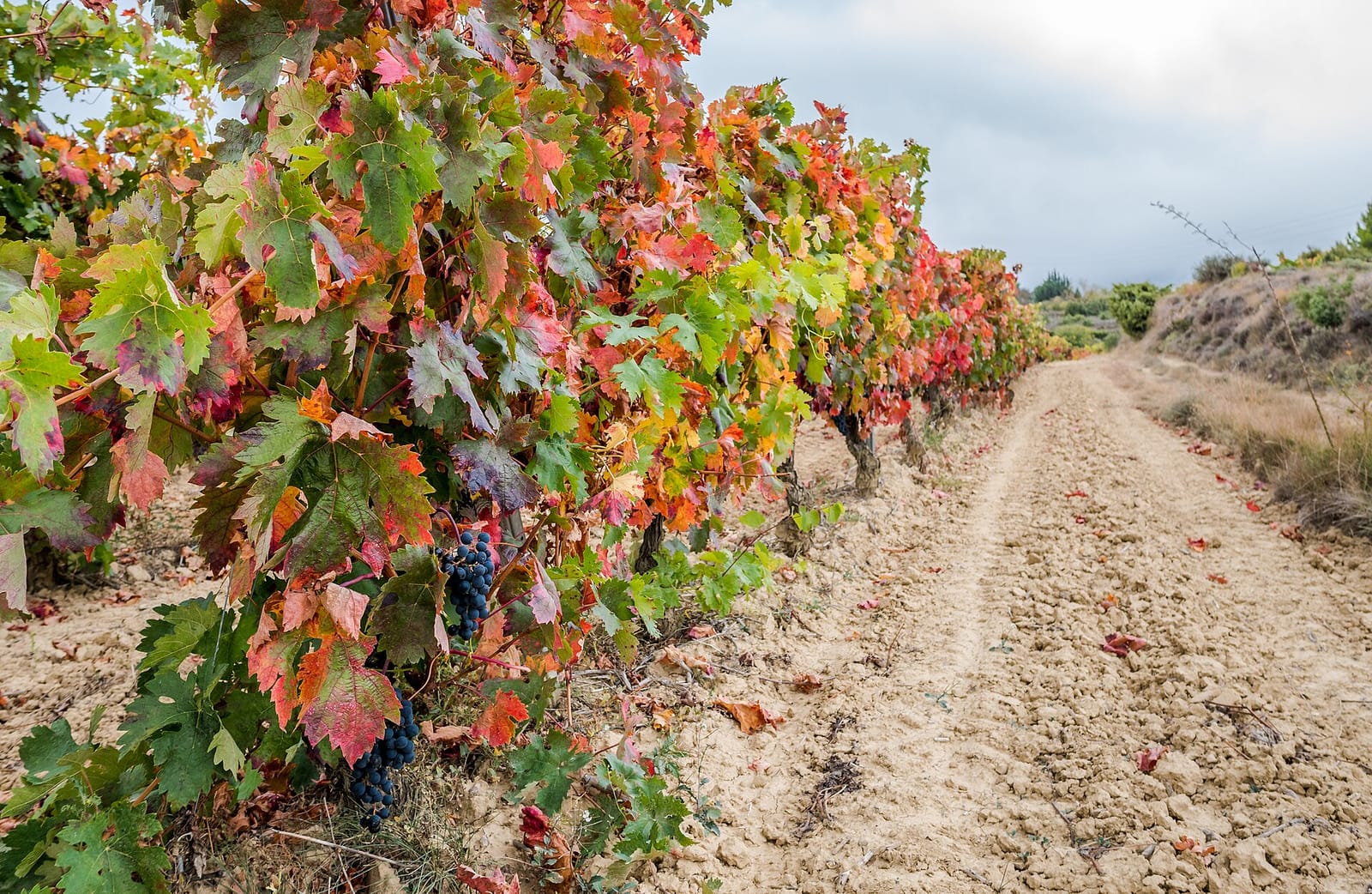
The Basque Culinary Center has presented a four-year university degree in wine and beverages, with 50 places and classes split between Vitoria-Gasteiz and the Rioja Alavesa village of Laguardia from the 2027-2028 academic year.
The Grado en Ciencia, Tecnología e Innovación en Vino y Bebidas — Science, Technology and Innovation in Wine and Beverages — was unveiled in Vitoria-Gasteiz on 2 November. It is the flagship programme of EDA Drinks & Wine Campus, the centre's new drinks school in the province of Álava, and is run by its Faculty of Gastronomic Sciences. The degree is an official title issued by Mondragon Unibertsitatea: 240 ECTS credits over four years, taught in person, mostly in Spanish with some subjects in English.
Fees for the first year are €11,903, including a €1,000 deposit to hold a place. Applications for 2027-2028 are already open, with an online admission test and official enrolment in July. EDA says it will offer scholarships, but has not yet defined them.
A wine region that now trains brewers and cider makers is reading its own consumption data.
What the Basque Culinary Center degree teaches
The two sites divide the work. Laguardia puts students in direct contact with the vineyard and the winery; the Vitoria-Gasteiz campus, next to the Lakua bus station, covers drinks as a whole, including fermented and non-alcoholic products, with laboratories, pilot plants and tasting rooms. Students make wine, beer and cider from the first year.
That first year is pure science: biology, microbiology, chemistry, plant physiology, soil and climate. Oenology and viticulture arrive in the second, alongside beverage production. The last two years move to innovative beverage production, marketing, logistics, entrepreneurship and data analysis, with optional modules in advanced fermentation, packaging and sommelier work. Internships at wineries and drinks companies are optional in years one to three and compulsory in year four.
"We want to train profiles capable of spotting opportunities and turning them into projects with impact," said Joxe Mari Aizega, the centre's director general. Oenology and production will remain fundamental, he added, but the sector also needs people who understand business, sustainability and culture.
Why a drinks degree now
The figures presented with the degree explain the bet. Spain's wine sector contributes €22.35 billion, 1.6% of GDP, and supports more than 386,000 jobs; in the Basque Country, the food, beverage and tobacco industry employs about 14,800 people and grew its value added by 28.3% in 2024. The same sector is dealing with falling red wine consumption, a drift towards beer and lighter drinks, and heat that keeps moving the calendar: Rioja has just closed its earliest harvest on record, and Spanish wine exports fell 7.2% in the last campaign.
The degree is backed by the Basque Government and the provincial council of Álava, with support from Vitoria-Gasteiz City Council, whose mayor, Maider Etxebarria, attended the presentation with the Basque agriculture minister, Amaia Barredo.
The classrooms are not finished yet. The first stone of the Laguardia building was laid in January 2026, and the two EDA buildings carry a combined budget of €18 million, €10 million of it from the Basque Government. The first 50 students are due in September 2027.
Sources
- Basque Culinary Center — Grado en Ciencia, Tecnología e Innovación en Vino y Bebidas (programme, fees and admission) ·
- Ayuntamiento de Vitoria-Gasteiz — Vitoria-Gasteiz presenta el Grado en Ciencia, Tecnología e Innovación en Vino y Bebidas de EDA Drinks & Wine Campus ·
- Gasteiz Hoy — El nuevo Grado para elaborar vino y cerveza por 11.903 euros el primer año ·
- InfoHoreca — El nuevo Grado en Ciencia, Tecnología e Innovación en Vino y Bebidas ·