Suisun Valley wineries fight California's Bay-Delta water plan
Caymus and its neighbours in Solano County say a state cap on river diversions could stall vineyard growth. Regulators and conservationists call the fears overstated.
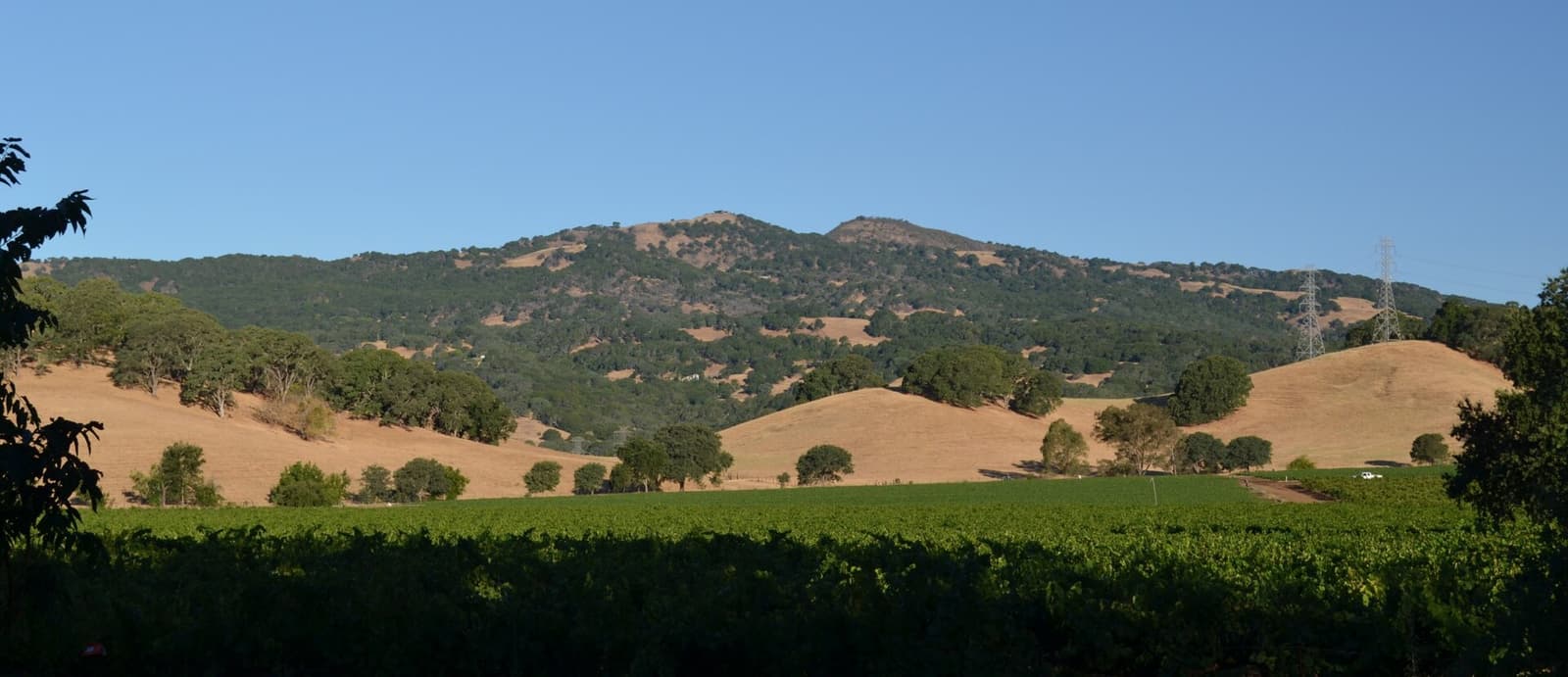
Suisun Valley wineries, led by Napa's Caymus Vineyards, are asking California's governor to intervene before regulators vote next month on capping how much water can be drawn from the rivers feeding the Sacramento-San Joaquin Delta.
The State Water Resources Control Board will consider adopting its updated Bay-Delta Plan in Sacramento on 28 and 29 October, according to the board's notice. The revision sets new flow objectives for the Sacramento River, its tributaries and the Delta, where heavy diversions have degraded water quality and pushed several fish species towards extinction, the San Francisco Chronicle reported on 28 September.
The Wagner family moved the bulk of Caymus's production to Solano County in 2018 and opened a tasting room in the valley in 2022. The appellation, recognised since 1982, had just six relatively small wineries before them. It is about one-tenth the size of Napa Valley and known for Petite Sirah, according to the winery.
A water cap written for fish has become a line item in winery business plans.
Why Suisun Valley wineries fear the Bay-Delta Plan
Michael Carlson, Caymus's vice president and general counsel, drafted most of a letter to Governor Gavin Newsom's economic development office asking that the Putah Creek Accord, in force since 2000, take precedence. Cosigned by Solano city governments and vineyard firms including Anselmo Farms and Babcock Vineyard Management, it says Caymus alone has invested “hundreds of millions of dollars” in the valley. If the restrictions take full effect, Carlson told the Chronicle, “it'll certainly cause us to hit the pause button.”
Putah Creek and Lake Berryessa supply about half of Solano County's municipal water and most of its farm water. A voluntary agreement freezes the county's current diversions for eight years only. The Solano Irrigation District estimates that under the full rules, reservoir deliveries could drop to zero one year in five and halve two years in five; the state's own estimate, according to the district, caps the cut at 50%.
V. Sattui, which says it cannot secure enough water service for a winery permit in the valley, called the plan “a solution looking for a problem”.
Regulators and conservationists push back
The California Department of Water Resources called the plan and the local restoration agreements “a critical step forward” for supplies and rivers. Jon Rosenfield, senior scientist at San Francisco Baykeeper, said the farm impacts were “hugely overstated” when set against the loss of several fisheries. The federal Bureau of Reclamation, by contrast, warned this month that the plan threatens California's farm economy.
It is a difficult year for California wine: the North Coast harvest came in early and light, and Jean-Charles Boisset bought Artesa in Carneros last week. The board's October vote will decide whether the valley's growth rests on eight years of certainty or on something longer.