Australia's food delivery minimum wage turns four weeks old
Uber Eats and DoorDash predicted price shocks of up to 300 percent. A month into Australia's new pay floor for 250,000 riders, neither has happened yet.
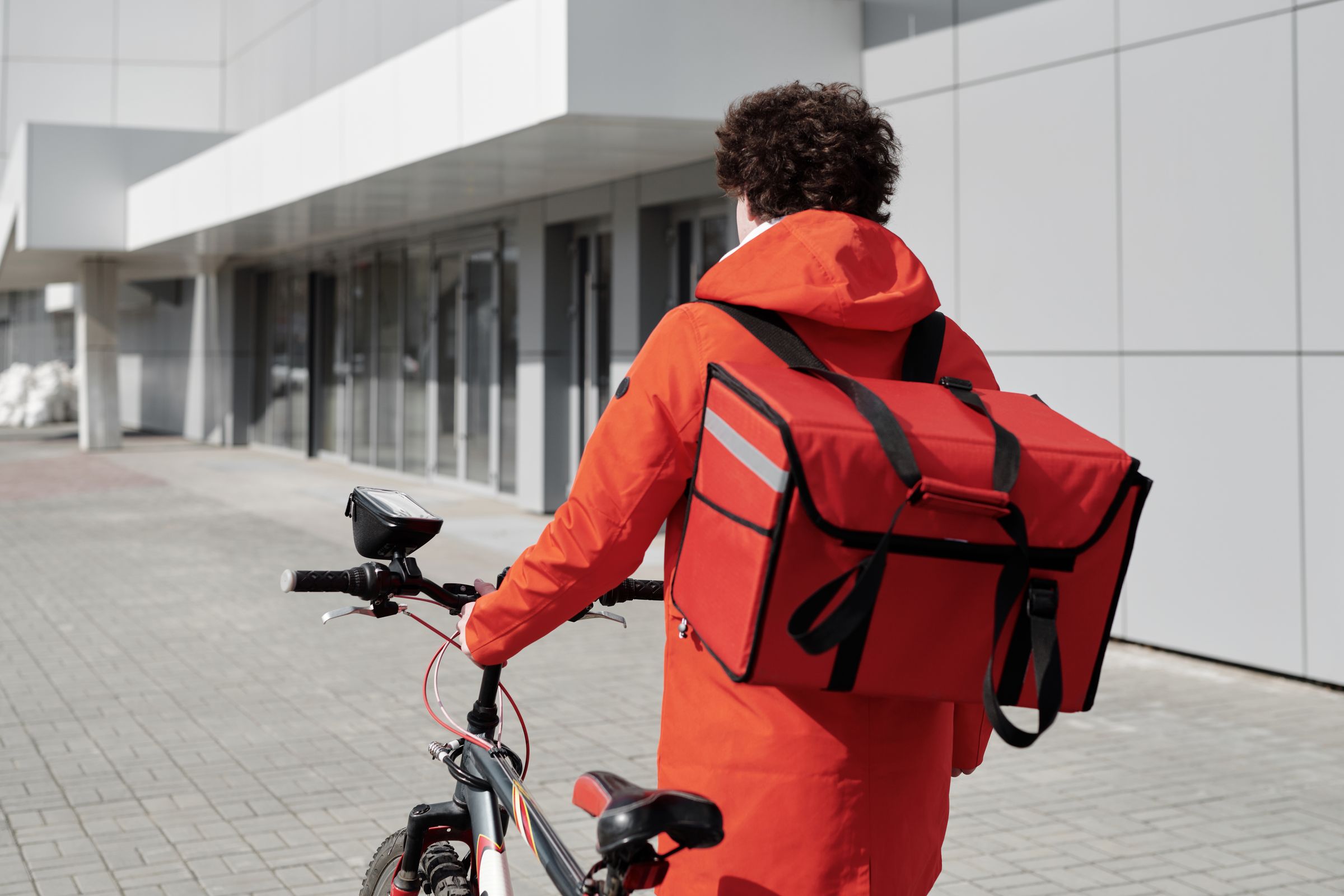
Four weeks after Australia introduced a food delivery minimum wage, Uber Eats and DoorDash have not raised prices anywhere near the levels the two platforms once warned about.
The Fair Work Commission's Minimum Standards Order became binding on 17 August 2026, giving Australia its first enforceable pay floor for gig delivery riders. It covers anyone who accepts jobs through an app to deliver food, drink, alcohol or groceries, excluding only drivers of vehicles carrying more than one tonne.
Inside Australia's delivery minimum wage
A pay floor built by negotiation, not by decree, rarely produces the price shock anyone predicted.
Delivery workers now earn at least AUD31.30 an hour on an e-bike, AUD31.80 on a motorcycle and AUD32.00 in a car, calculated across 21-day pay cycles and topped up when actual earnings fall short. All three rates sit above the AUD26.44 national minimum wage. The Fair Work Ombudsman estimates the order affects roughly 250,000 workers.
It also guarantees personal accident insurance, a formal dispute process and paid access to a workplace delegate — protections that did not exist for workers classified, until now, as independent contractors.
"Gig workers in Australia were left outside of our workplace systems for far too long," Transport Workers' Union national secretary Michael Kaine said when the order was finalised. Uber Eats Australia and New Zealand managing director Ed Kitchen called it "modern reform for a modern way of work that proves fair standards and flexibility can co-exist."
A duopoly absorbs a pay rise
Before the food delivery minimum wage took effect, Uber had warned meal-delivery prices could rise by as much as 85 percent, and DoorDash argued they could more than triple. Researchers who tracked the talks, writing in The Conversation on 11 August 2026, call those figures unlikely now: both platforms helped shape the final order through direct negotiation with the union, which makes a unilateral price shock improbable in the short term. Prices will still rise to cover the higher pay, they add, "though we're yet to hear by how much."
The order lands in a market with less competition than two years ago. Menulog shut down its Australian operations on 26 November 2025, leaving Uber Eats and DoorDash as the country's only two national delivery marketplaces. Restaurants, from newly opened Sydney dining rooms to long-running suburban kitchens, already hand over an estimated 25 to 35 percent of each delivery order's value in commission, on top of the wage rise now built into the platforms' costs.
The Fair Work Commission is weighing separate minimum-standards applications covering rideshare driving and last-mile parcel delivery, built on the same contractor model that once covered food couriers. For now, delivery riders remain the test case for how far Australia is willing to regulate work it long treated as belonging to no employer.
Sources
- Fair Work Ombudsman · 2026-08-17
- The Conversation · 2026-08-11
- ABC News · 2026-08-17
- SmartCompany · 2026-08-13