Ivory Coast's cocoa crop shrinks as dry weather drags on
Port arrivals in the world's top cocoa producer are tracking up to 17% behind last year, with an EU deforestation deadline adding pressure to ship before year-end.
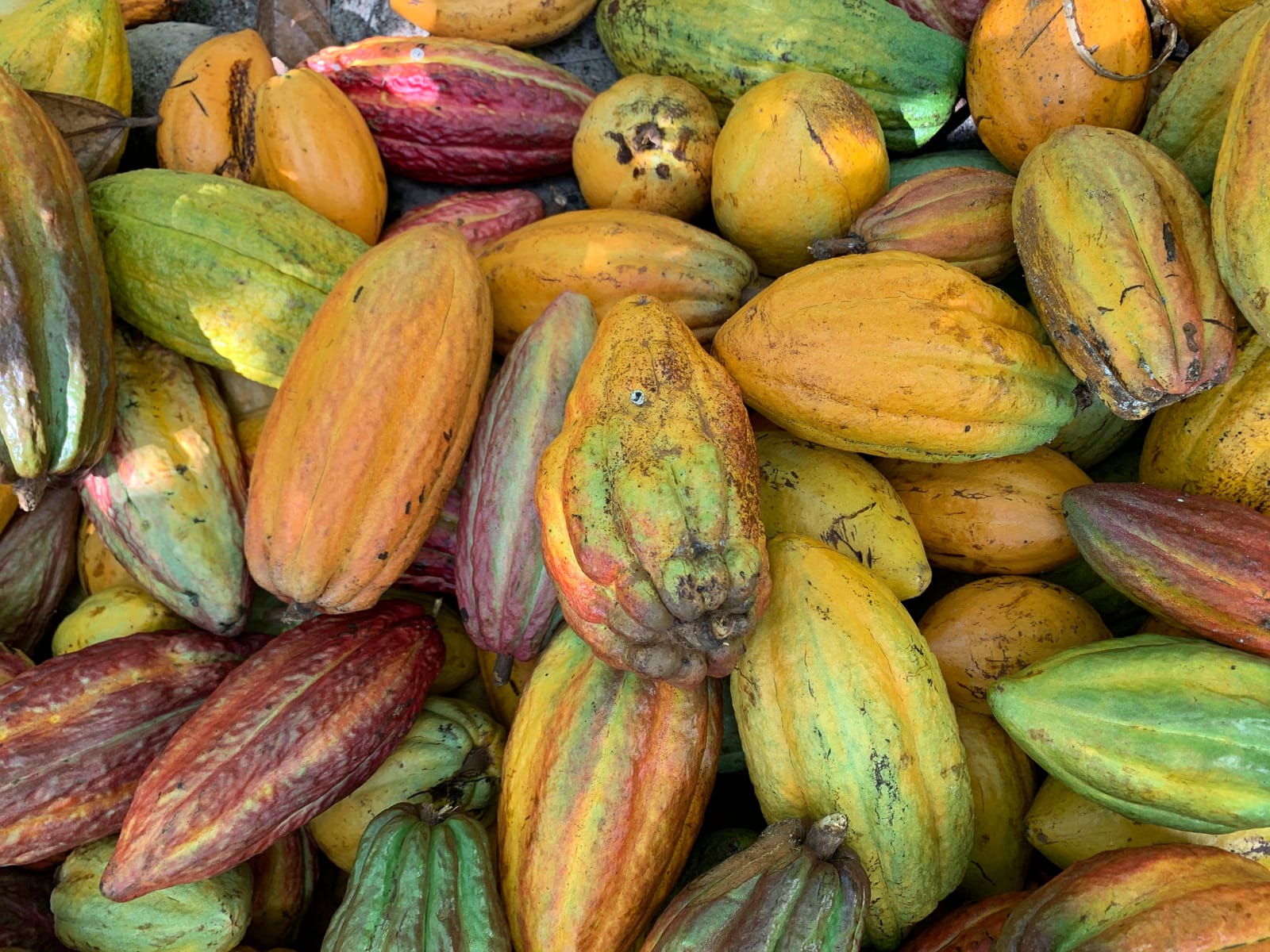
Ivory Coast's main cocoa crop is coming in lighter than last year, with port arrivals in the world's top producer tracking as much as 17% behind the pace exporters saw a season ago.
Weekly deliveries to Abidjan and San Pedro reached 18,000 tonnes in the week to October 4, taking the season total to 54,500 tonnes, according to market data tracked by Trading Economics. By October 12, cumulative arrivals had climbed to 77,500 tonnes, still well short of the pace needed to match last year's October-to-December volumes.
Ivory Coast's national weather service expects below-average rainfall to continue through early 2027, after a dry, uneven rainy season slowed pod development on farms across the south and centre of the country. Commodities trader StoneX puts the shortfall at 11%, forecasting 2026/27 output of 1.8 million tonnes; other trade estimates run as high as 17% below last year.
A late harvest meets an early deadline, and West Africa's ports will feel both.
Heavy, erratic rain in mid-October then disrupted harvesting on some farms and delayed bean deliveries further, according to local trade reports, leaving growers uncertain about the size and quality of the crop still to come.
Ivory Coast's main crop lands late
The country's cocoa council, which oversees the September-to-February main crop, still expects total arrivals of up to 1.4 million tonnes this season; exporters are slightly more optimistic, at 1.4 million to 1.45 million tonnes. But the October-to-December window, when the bulk of the crop usually lands, is now forecast at around 900,000 tonnes, down from an updated 1.1 million tonnes over the same months last year.
Ghana, the world's second-largest producer, opened its own 2026/27 season on September 25 with a producer price of 42,400 cedis a tonne, a 2.4% rise meant to keep farmers planting as costs for fertiliser and labour climb. Ivory Coast has held its farmgate price at 1,200 CFA francs a kilogram, widening the gap between the two neighbours.
A deadline adds to the pressure
The slow start matters beyond the farm gate. Exporters are racing to ship cocoa before European Union deforestation rules take full effect at the end of the year, requiring proof that beans were not grown on recently cleared land. Industry sources have warned that a late main crop could leave ports at Abidjan and San Pedro congested in November and December, as shipments pile up against the deadline.
"With this looming delay, we will find ourselves having to export enormous quantities in a short period in December," one export executive in Abidjan said. For chocolate makers and pastry kitchens already paying near-record prices for cocoa butter and liquor, a bottleneck at West Africa's ports would be one more cost to pass on before the holiday season.