Japan's matcha shortage forces Ippodo to raise prices again
The Kyoto tea house is revising recipes and prices this autumn for the second year running, as tencha farming crowds out sencha, gyokuro and bancha.
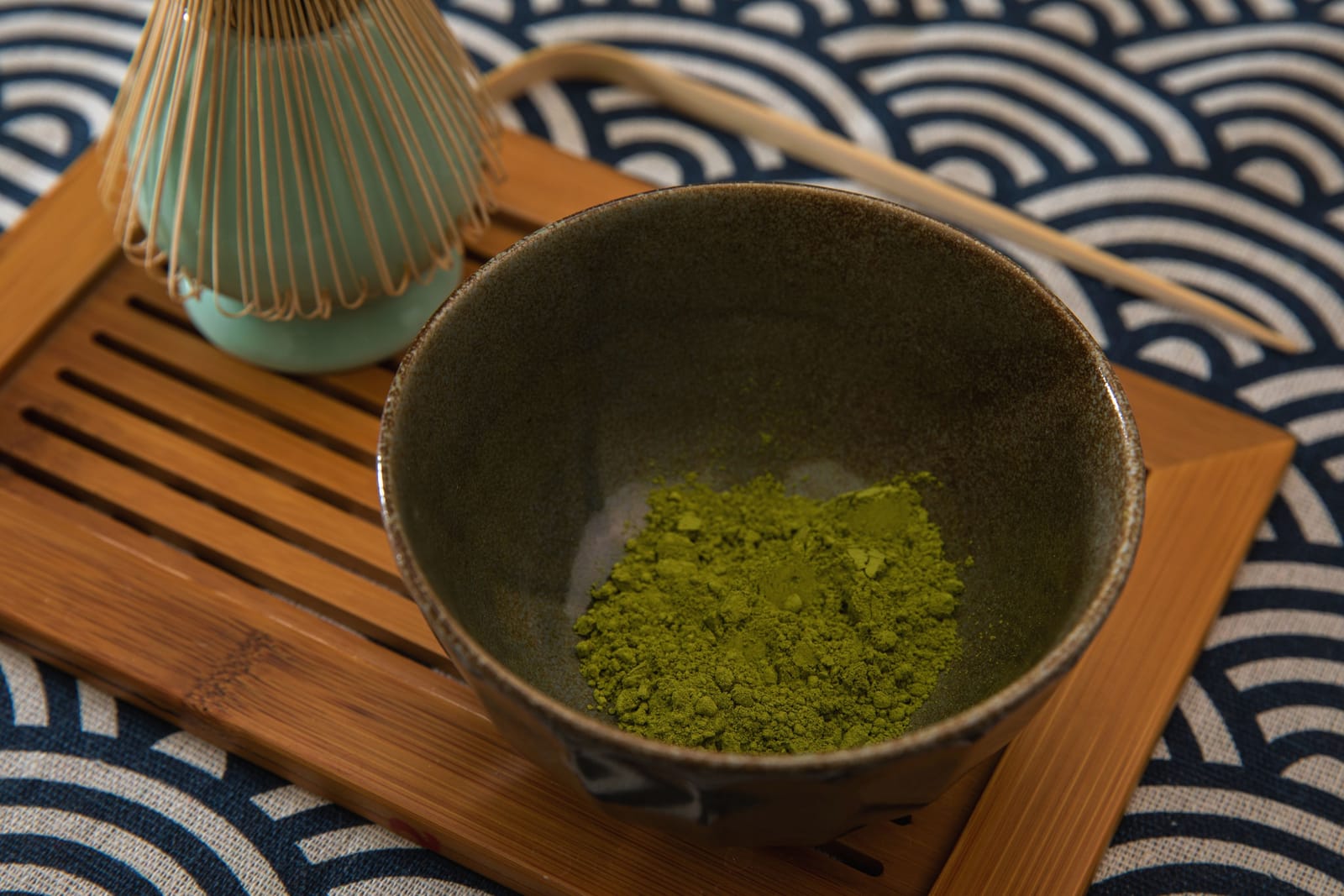
Japan's matcha shortage has pushed Ippodo, one of Kyoto's oldest tea houses, to change some product specifications and raise prices again this October and November.
It is the second such revision in a year. Ippodo adjusted matcha pricing and specifications in October 2025, and president Masakazu Watanabe says the company had hoped to hold the line since then, but could not without letting quality slip.
Japan's matcha shortage by the numbers
People bought as much matcha as we had in stock.
Demand took off from around 2024, far faster than supply could follow: tea bushes take about five years to mature after planting, so growers could not simply plant their way out of the gap. Tencha, the shade-grown leaf ground into matcha, averaged 8,562 yen a kilogram in 2025, more than double the year before and the fifth straight annual rise, according to the Japanese Association of Tea Production.
Demand spiked hardest last autumn. Kenta Ikeda, chief executive of Kagoshima producer Ikeda Seicha, says 30-gram tins sold out within days of going online: "People bought as much matcha as we had in stock." Buying has since calmed, he adds, but inquiries from Japan and abroad remain strong.
Sencha and bancha pay the price
Growers kept converting fields from sencha, gyokuro and bancha to tencha through 2026, chasing matcha's higher yield per hectare. Ippodo introduced purchase limits on its bancha in February as that tea took the biggest hit; sencha and bancha prices have since risen sharply too, and gyokuro is creeping toward matcha's price per kilogram.
Toru Mitsumura, a senior official at the Tea Industry Chamber of Kagoshima, warns the shift cuts both ways: supermarket shoppers priced out of sencha are switching to barley tea and other drinks, leaving farmers exposed on two fronts if the matcha boom ever cools.
The strain sits alongside other news from Japan's food economy this year: Iinuma Honke marked 300 years as a sake brewery, and Maedaya olive oil won a third straight NYIOOC gold, proof that Japanese producers keep chasing recognition even as costs climb.
Ippodo says it does not expect prices to fall back to pre-2024 levels. Watanabe's stated priority going into the new pricing is narrower than growth: "Our highest priority is maintaining and improving the flavour and quality of our products."