Syria citrus harvest surges, but prices barely move
A bumper citrus crop on Syria's coast hasn't translated into better pay for the growers who picked it, as storage gaps keep prices on the floor.
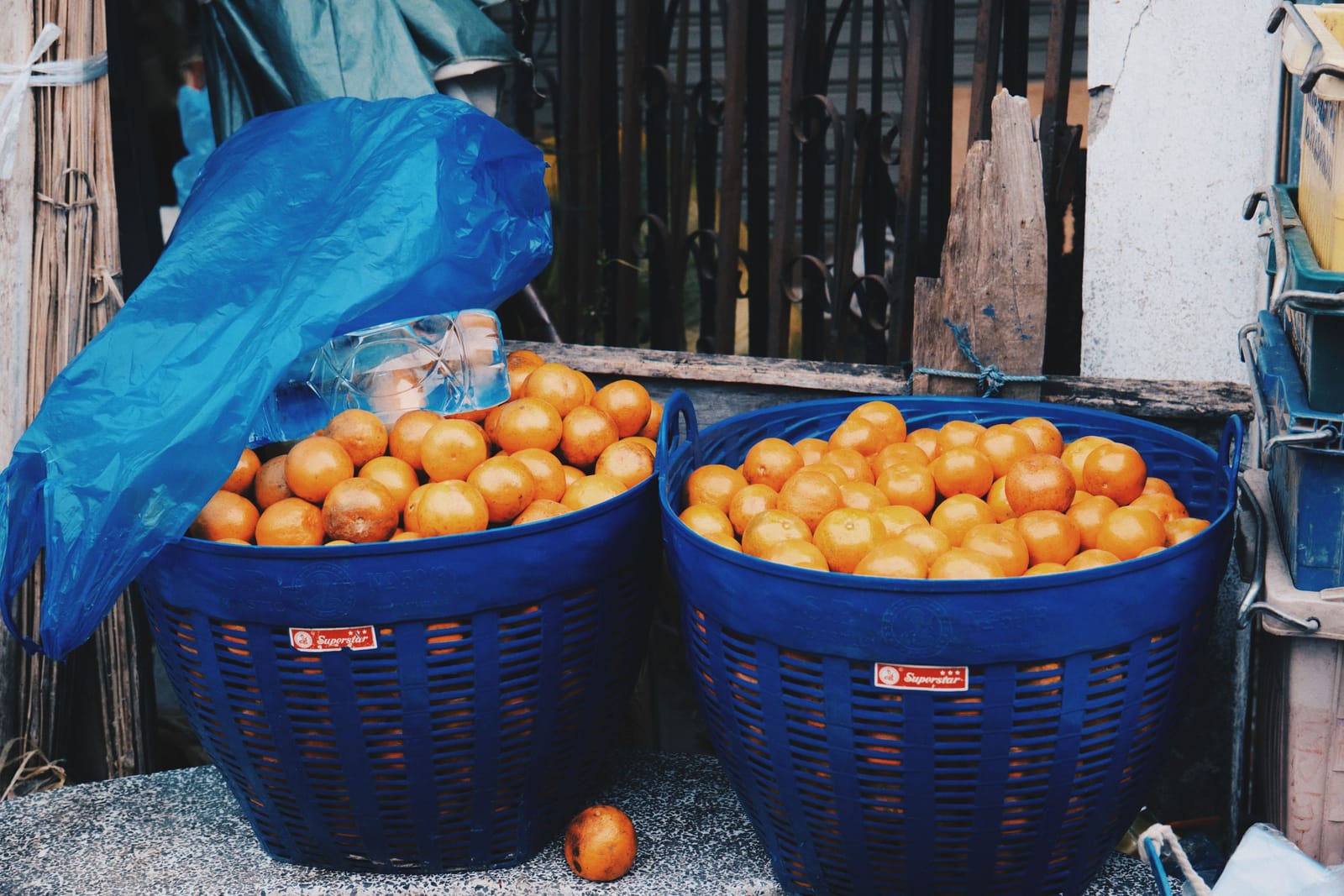
Syria's citrus harvest in Latakia has jumped to 639,000 tons this season, up from 415,000 tons last year, and growers are still selling at rock-bottom prices.
Latakia's roughly 30,000 hectares and 9.5 million citrus trees produced the bigger crop after a mild flowering season, according to Syria's state news agency SANA. The province's main wholesale market took in 1,300 tons in the first ten days of the season, with daily arrivals expected to climb to 500 tons at the harvest's peak.
Inland, in Jisr al-Shughur, growers on about 150 hectares expect a smaller but still useful 4,000 to 5,000 tons. They report a tougher season than the coast: frost damage, irrigation shortages and pest pressure on top of the costs everyone in the region is facing.
A bumper harvest and empty wallets rarely arrive by coincidence.
Farmgate prices tell the other half of the story. Satsuma and navel oranges are changing hands for 30 to 60 Syrian pounds a kilogram, worth roughly $0.21 to $0.42, with the best fruit reaching $0.69. Lemons fetch about $0.35 a kilogram and clementines range from $0.21 to $0.83, depending on grade.
Syria's citrus harvest outpaces cold storage
Growers blame limited refrigerated storage for the squeeze. Without it, nearly everyone picks and sells in the same narrow window, flooding the market just as fertiliser and other production costs keep climbing. Marketing outlets remain thin, and growers are asking the government for access to export markets in Jordan and Iraq, plus investment in storage and processing facilities that could spread sales across more of the year.
A lemon import ban buys growers some room
Damascus has leaned on trade policy instead. Syria banned lemon imports from 1 October 2026 to 31 March 2027 to protect domestic sales, extending a pattern of seasonal restrictions the National Committee for Import and Export has applied to fruit and vegetables since at least last year, covering everything from tomatoes to pomegranates on a rolling calendar tied to each crop's harvest.
The rebound follows years of decline on Syria's citrus coast, where production had fallen 38.2% below the ten-year average by the end of 2025, according to Enab Baladi, as fuel and fertiliser costs squeezed margins and left fruit unsold. Syrian food has found new audiences abroad all the same, from Aleppo's walnut and pepper dip to London kitchens such as Imad's Syrian Kitchen — a market for Syrian flavour the coast's own growers have yet to properly reach.