Mexico's avocado exports surge as prices collapse 63%
A record million tonnes left Mexico in eight months, but average prices fell 63% as a new labour certificate reshapes who gets to export Hass avocados.
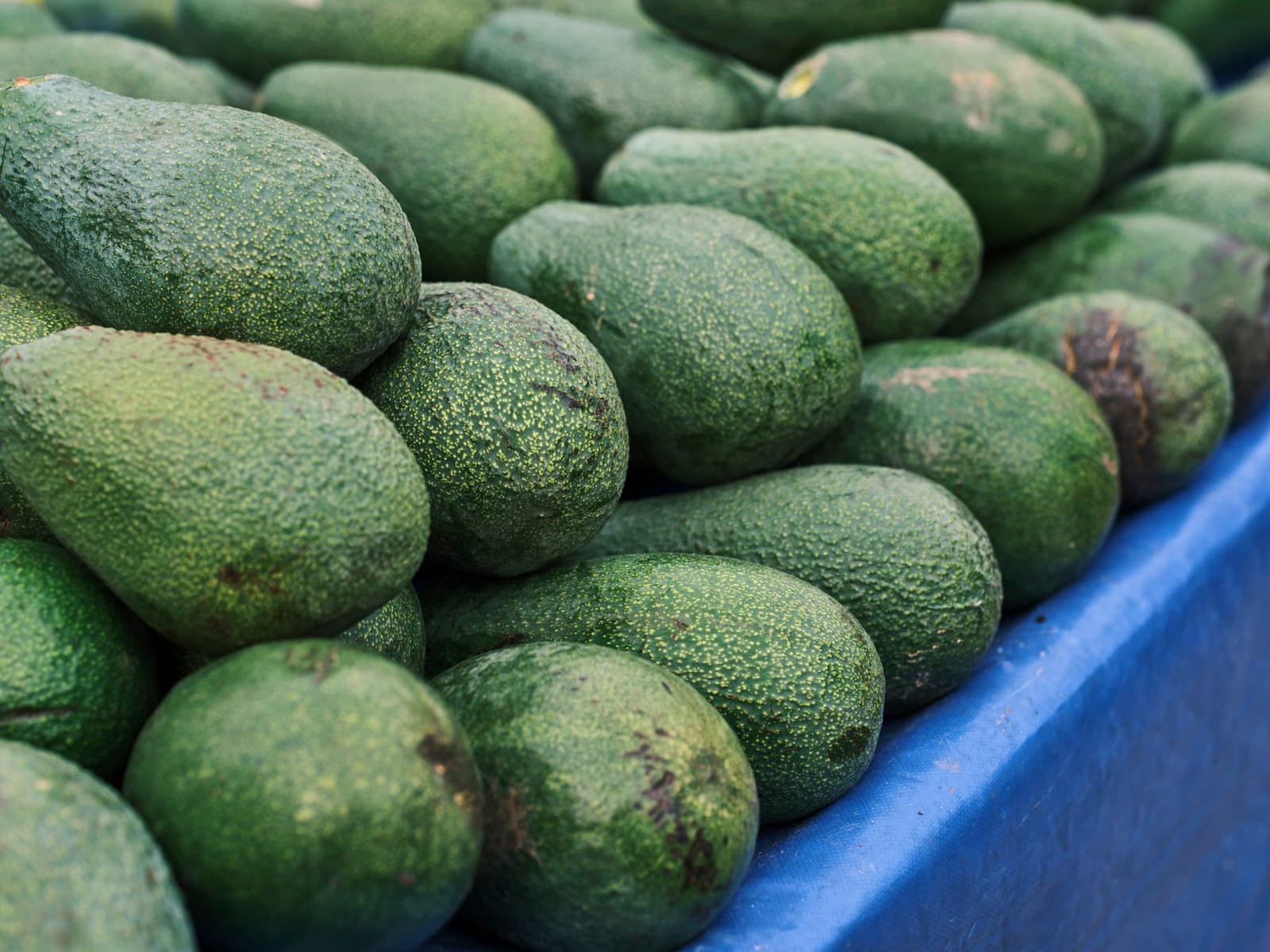
Mexico shipped a record one million tonnes of avocados abroad in the first eight months of 2026, but the average export price collapsed 63%, from $3.80 to $1.40 a kilo, according to growers' group GCMA.
Export earnings fell 44.5% over the same January-to-August period, from $2.6 billion to $1.4 billion, even as shipped volume climbed 33.7% on favourable weather and a bigger harvest across Michoacán and Jalisco, the only two states licensed to export avocados to the United States.
GCMA still expects 2026 production to reach 2.84 million tonnes and exports to climb to 1.56 million tonnes, up from 1.28 million tonnes in 2025 — a volume boom that echoes the glut recently seen in Mexico's agave and tequila market, where a different crop crashed on oversupply.
A record harvest, a collapsed price, and now a paper trail for every avocado that crosses the border.
A new labour certificate becomes mandatory
Since October 1, Mexico has required every link in the avocado export chain to carry a Certificado Laboral de Agroexportación, issued through the labour ministry's VELAGRO platform, confirming that pickers and packers are registered with IMSS, the national social security institute.
The certificate, which applies to Hass avocado under tariff code 0804.40.01, is nominative and non-transferable; exporters who can't produce one risk losing customs clearance. A separate measure agreed between tax authorities and the farm ministry will, from the end of the year, require packers to source fruit only from certified orchards to claim tax deductions.
Officials have framed the rules as part of wider due-diligence demands tied to traceability and zero-deforestation requirements on shipments to the US, the EU and Asia, with a review of the USMCA trade pact adding pressure on the sector to show it is compliant.
Smaller growers chase markets of their own
The price slide is hitting growers outside Michoacán hardest. In Guerrero's Costa Grande, where about 2,200 farmers work roughly 4,800 hectares not licensed for US exports, José Brito of the local growers' association says intermediaries pay as little as $0.43 to $1.35 a kilo, sometimes reselling the fruit under the Michoacán label.
Guerrero's growers now have a SENASICA-certified packing plant and have sent trial samples to Dubai, hoping to build a direct export channel instead of relying on buyers who fold their fruit into someone else's supply chain — much as the mole producers of San Pedro Atocpan have had to manage their own ingredient costs this season.
With a possible El Niño pattern threatening the second half of the season — and about 65% of Mexico's orchards still dependent on rainfall rather than irrigation — growers on both sides of the price gap are betting that paperwork, not weather, will decide who profits most from 2026's record crop.