Turkish hazelnut prices sit a quarter below the state floor
Ordu traders paid 180-190 lira a kilo on 27 September against the state's 250, as a crop of up to 810,000 tonnes meets trade inspectors in the Black Sea hazelnut belt.
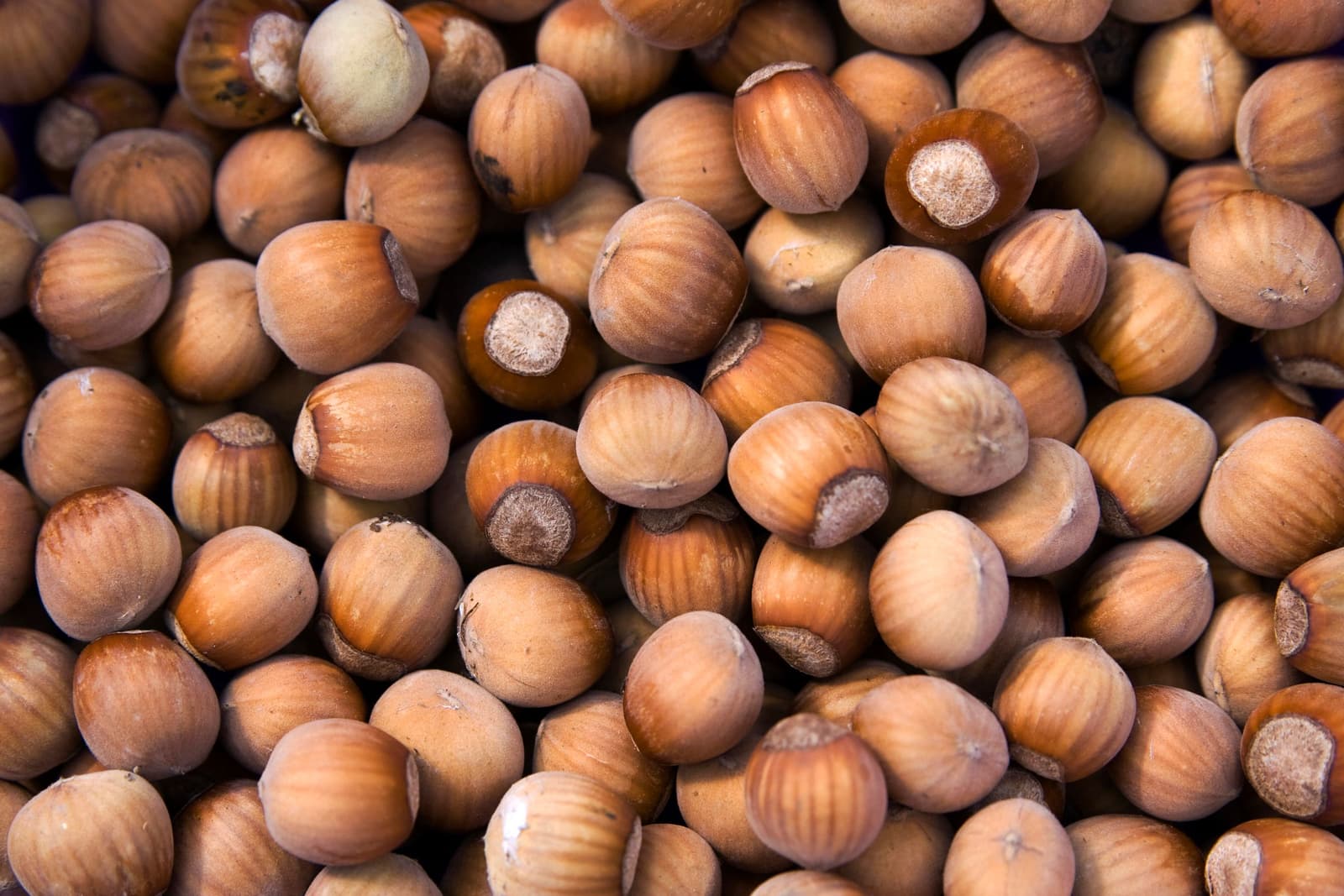
Turkish hazelnut prices on the free market in Ordu stood at 180 to 190 lira a kilo on 27 September, roughly a quarter below the 250 lira that the state grain board TMO pays for the same nuts, according to local market reports.
The gap has now lasted a month into a harvest that began in Giresun in early August. TMO set its 2026/27 purchase prices on 6 August: 255 lira a kilo for Giresun quality and 250 lira for Levant quality, in shell and on a 50% kernel yield basis, with 5.10 and 5 lira added for every point of yield above that line. Its purchases opened on 24 August.
In Giresun, free-market trade was running closer to 210 lira. Fiskobirlik, the hazelnut producers' cooperative union, was paying 195 lira to members and 185 lira to non-members in Ordu, the local news site Orducu reported on Sunday.
A state floor that covers only part of the crop turns into a second price, not a floor.
Why Turkish hazelnut prices split in two
The state price rose 28% in lira from last season's 195 lira, but the fall of the currency cut the gain to about 9% in dollars, FreshPlaza calculated in August. The crop is also larger: estimates range from 700,000 tonnes to the 809,940 tonnes forecast by the International Nut and Dried Fruit Council, against 518,000 tonnes in 2025/26.
A bigger harvest and a state buyer that can only absorb part of it leave the rest of the market to find its own level. By 18 September TMO had bought about 60,000 tonnes against roughly 210,000 tonnes of booked deliveries, at around 1,500 tonnes a day, the business daily Ekonomim reported. Exporters are coming out of a weak season: shelled kernel exports in the first 11 months of 2025/26 fell 37% to 186,400 tonnes.
Inspectors in Ordu, growers at the drying yards
The Ministry of Trade and the Competition Authority sent inspectors to Ordu in mid-September to review traders' commercial records and physical stocks, after complaints from producer groups. Atakan Akça, who chairs the Altınordu agricultural chamber, said the review should start from export figures and work back down the chain rather than begin with the prices paid to farmers. No findings have been published.
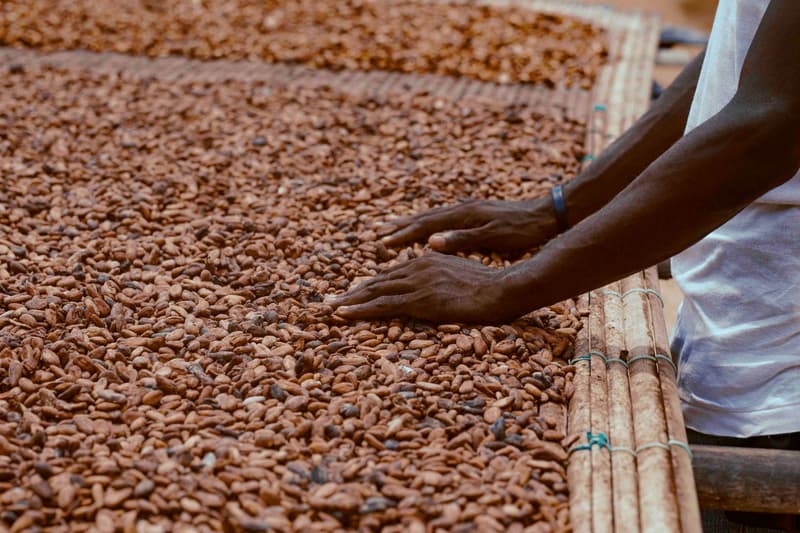
Growers quoted in the Ordu press say the free-market price does not cover their production costs, and that rain has made drying the nuts outdoors harder this autumn.
For pastry kitchens, the split is good news that arrives late. Turkey is the world's largest hazelnut producer, and a bigger crop trading below the state floor should ease kernel costs after the peak of September 2025, which made a Piedmont hazelnut cake an expensive line on a dessert menu. The next marker is how long TMO keeps buying, and in what volume.