Souss-Massa tomato growers face a water shortage
A dam shut for repairs and a desalination plant that keeps failing have cut Souss-Massa's round tomato planting by up to 15% as Morocco's winter cycle begins.
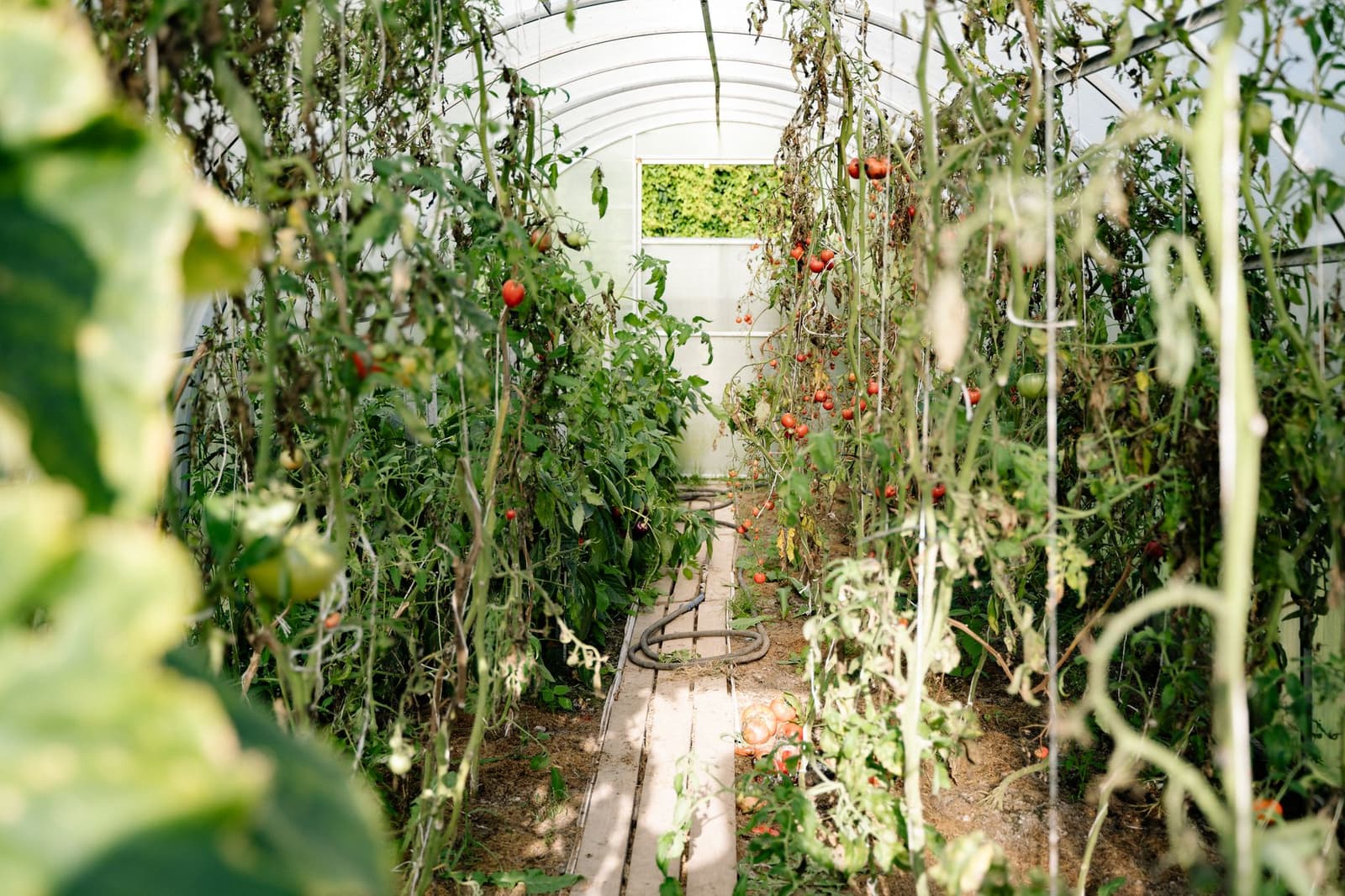
Souss-Massa tomato growers face a water shortage that has cut round tomato plantings by up to 15% this season, as a key dam sits closed for repairs and Morocco's flagship desalination plant keeps breaking down.
The basin around Agadir grows most of Morocco's tomato exports to Europe. Round tomato acreage is down 10 to 15% from recent seasons, growers say, as the region heads into its main winter cycle.
Souss-Massa's water squeeze
We continue to face the same challenges we've seen in previous seasons, although this year they're taking different shapes.
The Youssef Ben Tachfine dam has been offline for months while pipeline repairs run behind schedule. The Chtouka Ait Baha seawater desalination plant, built to secure irrigation for the basin, has suffered outages lasting more than ten days at a stretch.
Growers are filling the gap with water tankers, an option that adds cost before a single tomato reaches a crate. Higher salinity in the water that does flow has pushed farms to expand nutrition programmes just to hold yields steady.
Heat waves and hot winds added a second front this summer. Misting became a routine fix, and some growers report size and uniformity problems in their first fruit clusters, a sign of stressed plants rather than disease.
Amine Amanatoullah, secretary general of Morocco's Interprofessional Federation for Fruit and Vegetable Production and Export, sums up a season growers have lived through before. "We continue to face the same challenges we've seen in previous seasons, although this year they're taking different shapes," he says.
A problem growers have adapted to
The winter tomato cycle, usually under way by early October, is running 10 to 15 days late across the basin. That pushes the bulk of export volumes into November, narrowing the window before Spain's own winter tomatoes reach the same European shelves.
Nationally, the picture looks less alarming. Morocco's dams stood at 67% of capacity in early September, roughly double the level a year earlier, after a wetter winter further north. Souss-Massa's trouble reads as local and mechanical, closer to the shortfall that cut grape harvests in Portugal's Douro this year than to a country-wide drought.
Morocco's other export crops have had a steadier year. Olive oil output around the Mediterranean has trended the other way, with Italian producers posting a 31% jump this season. For Souss-Massa's tomato growers, the margin now depends less on rainfall than on hardware: the pipeline needs to reopen before the next dry spell tests it again.
Sources
- FreshPlaza ·
- FreshPlaza ·
- Le Brief ·