Matcha shortage pushes Uji tea prices to a record
Hand-picked Uji tencha sold for a record ¥52,086 a kilogram this year, up 20%, as Japan's matcha boom drives every grade of tea, not just the finest, to unprecedented prices.
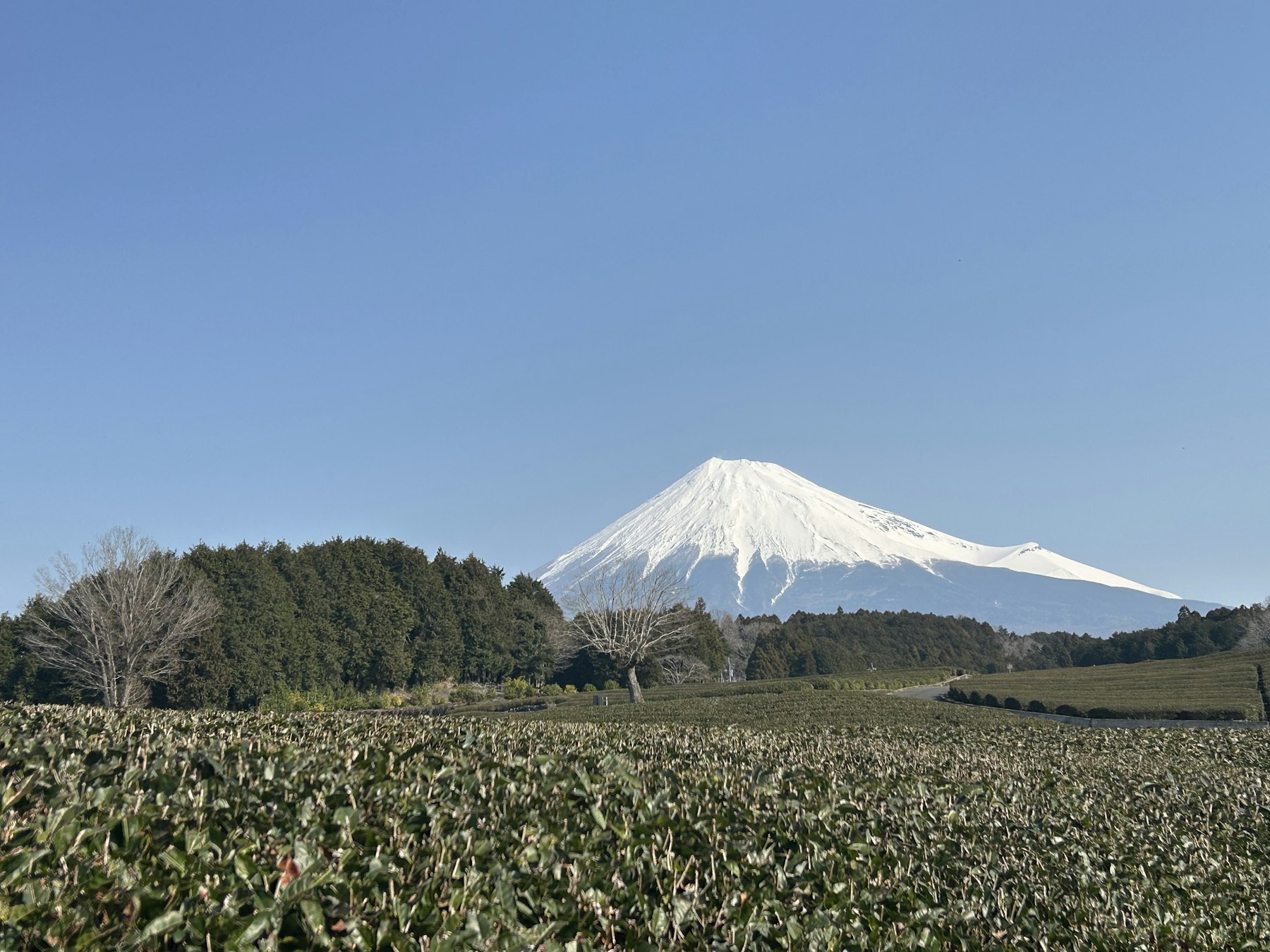
Uji's hand-picked tencha, the shade-grown leaf ground into matcha, sold for a record ¥52,086 a kilogram at auction this year, up 20% on 2025, as Japan's matcha shortage pushes every grade of tea to unprecedented prices.
At the JA Zen-Noh Kyoto tea market, the region's benchmark auction, hand-picked tencha volume also rose 49% on a year earlier, and buyers still paid more for it. Machine-harvested tencha, the workhorse grade behind most matcha brands, gained 22% to ¥17,797 a kilogram.
The rise reaches lower grades too: gyokuro, the shaded leaf tea, is up 69% to ¥14,249 a kilogram; kabusecha gained 82% to ¥8,369; ordinary sencha rose 48% to ¥6,657; and the base grade used for roasted hojicha climbed 138% to ¥2,850, according to market data tracked by tea wholesaler Maru-Take Ebisu. Volumes fell for every other grade, evidence that farmers are replanting for matcha at their expense.
When bargain-grade tea outprices the finest spring pick, an industry is being rewritten.
"Demand shifted, and first-flush sencha now faces a crisis unlike anything the industry has seen," said Yokoyama Tsugito, vice-chair of the Katsumata Kaitaku Tea Cooperative in Shizuoka, where growers who once relied on spring sencha for 60-70% of annual revenue are struggling to sell it at all.
Uji tencha prices upend the tea calendar
The distortion runs deeper than one auction. In parts of the country, autumn bancha, ordinarily the cheapest tea of the year, sold for more than spring's first flush last season, as buyers scrambled for any leaf that could be diverted into matcha. Asai Shohei of the beverage maker Life Drink Company called the reversal "abnormal by historical standards."
The scarcity has reached retail. Kyoto's Gion Tsujiri has dropped the words "Uji tea" from some products rather than promise sourcing it can no longer guarantee. "Quality and a fair price matter more than sticking to a strict Uji-tea label," said Miyoshi Yuta of the shop. Other tea-exporting countries are seeing their own supply strains this year, though for different reasons.
Farmers keep converting fields to matcha
Nakamura Tokichi Honten, one of Uji's best-known tea houses, raised prices on some products from September 1, citing the industry-wide shift. In Kagoshima, a 200-hectare farm has already converted half its acreage to shaded tencha production, chasing the same premium.
With Kyoto's tea acreage shrinking for years and its farmers ageing, wholesalers expect the tightening to continue through the rest of this year's harvest cycle, whatever relief the 2027 spring auctions eventually bring.
Sources
- Maru-Take Ebisu (Kyoto tencha auction data) · 2026-08-20
- Shokuhin Shimbun (food trade press) · 2026-05-02
- Kansai TV (ktv.jp) feature · 2026-01-28
- Nakamura Tokichi Honten price revision notice · 2026-09-01