Chuletón a la brasa recipe: Etxebarri's grilling method
The dry-aged rib steak behind this year's best restaurant in the world isn't about the cut at all; it's about reading embers instead of a thermometer.
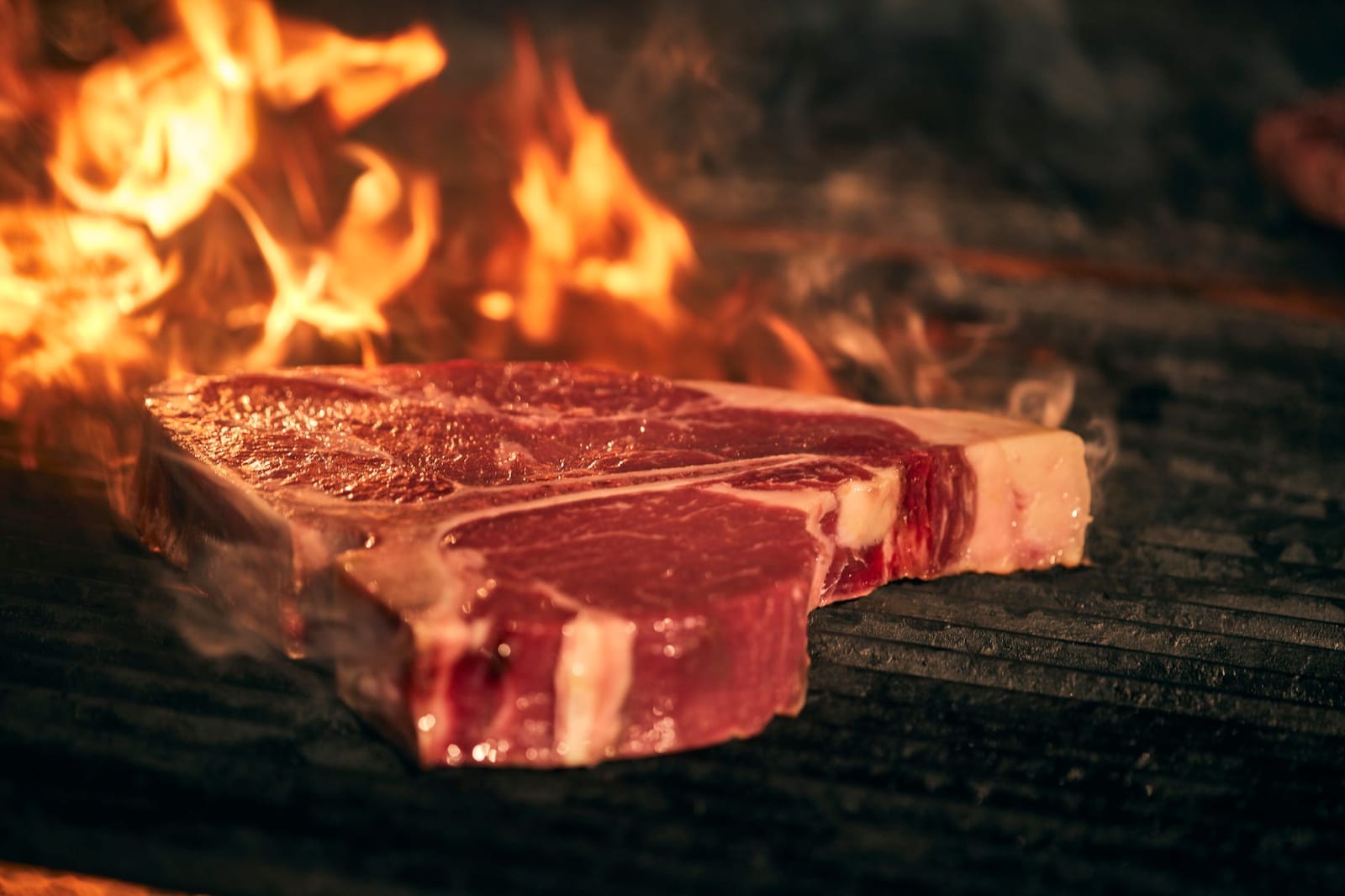
Chuleton a la brasa is the dry-aged rib steak that helped put Asador Etxebarri, this year's best restaurant in the world, on the map, and the real technique here is not the cut but the embers underneath it.
Chef Bittor Arguinzoniz built his own grills in the Basque village of Atxondo, where Asador Etxebarri was named the world's best restaurant for 2026, and cooks almost everything over fire, judging doneness by the flame rather than a thermometer. He burns his wood apart from the grill itself, moves only the glowing embers underneath, and salts the meat as it hits the grate rather than beforehand.
This version keeps that method intact and scales it for a home grill or chimney starter, so the steak still depends on reading the fire rather than following a stopwatch.
The technique lives in the embers, not in the cut of meat.
Ingredients
- 1 bone-in rib steak (chuletón), about 1.2 kg, dry-aged at least 21 days
- A generous supply of grapevine cuttings or oak logs, enough for a deep bed of embers
- Coarse sea salt
- Extra virgin olive oil, to finish
Method
- Burn the grapevine cuttings or oak logs in a separate fire pit or chimney starter until they collapse into glowing embers, then rake them into an even bed under the grill. Arguinzoniz always builds his embers away from the grate, because wood still in flame scorches the crust before the inside has a chance to warm through.
- Set the grate at the height where fat starting to render off the meat catches light and the flame just brushes its surface. That is the working temperature at Etxebarri, and it shifts with every cut, so watch the fire rather than a clock.
- Lay the steak on the grate and salt the raw top side generously the moment it goes down. The uncooked surface draws in only as much salt as it needs, and the rest shakes off the first time you turn it.
- Turn the steak once it lifts cleanly off the bars and has taken on a deep crust, shaking off the spare salt as you flip, then salt the newly exposed side the same way.
- Cook the second side until a thin knife meets resistance only right at the bone, then lift the steak off the heat and rest it for at least 10 minutes before carving.
- Carve into thick slices against the bone, finish with a little olive oil and serve with any juices pooled on the board.
Why the embers matter more than the cut
Arguinzoniz varies his wood by ingredient: oak for fish, vine cuttings for red meat, each burning at a different intensity and giving off a different smoke. A charcoal chimney starter gets closer to his low, steady heat than briquettes doused in lighter fluid, which leave their own smell on the meat.
Pour a young Rioja or a glass of txakoli alongside; both cut through the fat without fighting the smoke.
Can this work without a wood fire? Yes: a charcoal chimney starter gets close enough to Etxebarri's steady, low heat, as long as you wait until the coals turn ash-grey before cooking.